Panch Pokhari is a 5-day trek to five sacred lakes at 4,100 m in Sindhupalchok. No domestic flight needed. Day-by-day itinerary, difficulty, best season and gear.
Panch Pokhari Trek - 5 Days
Sindhupalchok, Nepal
FromUS$500

Panch Pokhari is a 5-day trek to five sacred lakes at 4,100 m in Sindhupalchok. No domestic flight needed. Day-by-day itinerary, difficulty, best season and gear.
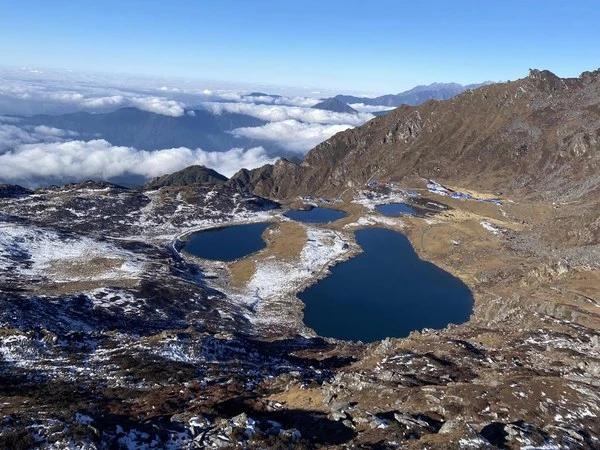
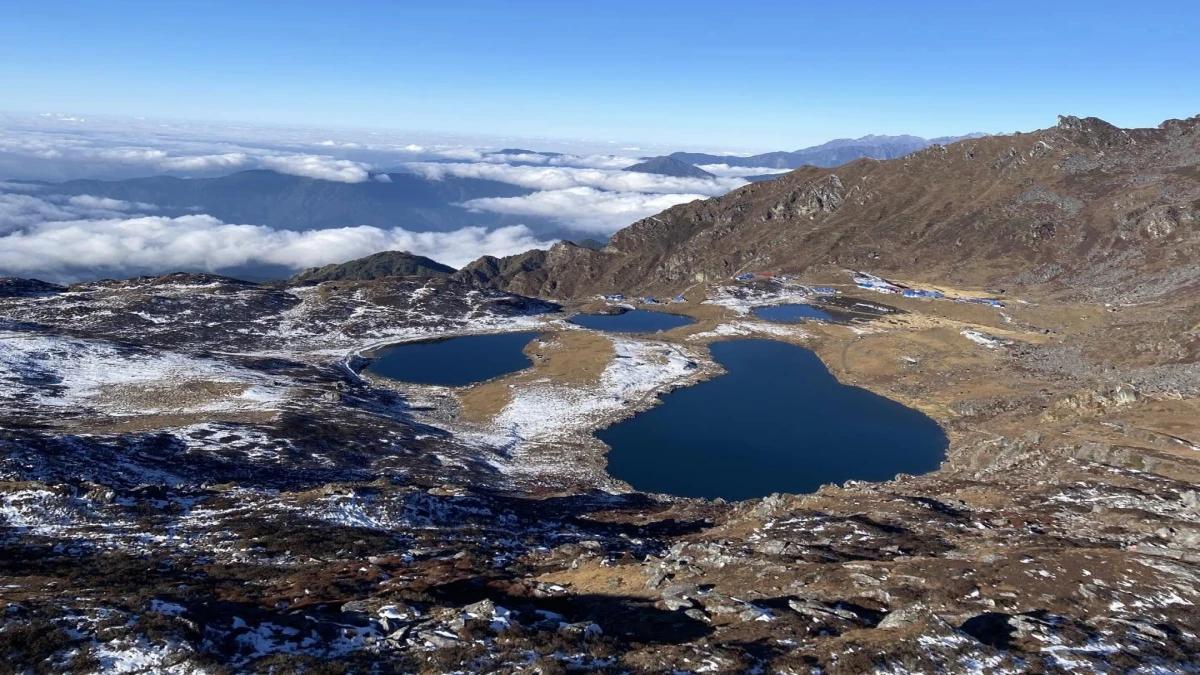
Panch Pokhari is one of the few high-altitude lake destinations in Nepal that is not a restricted area, needs no restricted-area permit, and can be reached from Kathmandu without a domestic flight. The name means "five lakes" in Nepali, and the five sacred lakes at 4,100 m in Sindhupalchok district are exactly what the trail exists to reach.
We have guided this route for years. It is not on the itinerary of most international trekking companies, which is precisely why it comes up consistently when trekkers ask us for something at genuine altitude that is not on the standard trail network. This guide covers what the Panch Pokhari trek involves in 2026/27, what to expect at the lakes, and the religious significance that makes this site meaningful beyond the view.
| Detail | Information |
|---|---|
| Duration | 5 days |
| Maximum altitude | 4,300 m (sunrise viewpoint) |
| Lake altitude | 4,100 m |
| Difficulty | Moderate |
| Trailhead | Bhotang/Chhimti, Sindhupalchok |
| Distance from Kathmandu | Approximately 125-150 km (6-7 hours by road) |
| Permits required | Langtang National Park entry permit (NPR 3,000 for foreign nationals); a local municipality fee and e-TIMS may also apply |
| Best time | October-November, March-May |
| Pricing (Nepal Trekking Guide Team Adventure) | USD 400-500 per person depending on group size |
The route begins at the Bhotang/Chhimti trailhead in Sindhupalchok district and climbs through forest and open ridgeline to the lake basin. The highest trekking point is a viewpoint at 4,300 m above the lakes, reached on a pre-dawn climb on Day 3. The same path is retraced on the descent.
Most trekkers researching Nepal focus on the established circuits — Everest Base Camp, Annapurna Circuit, Langtang. These are strong routes with good reason to be popular. But they carry corresponding levels of foot traffic, permit requirements, infrastructure costs, and lead time.
Panch Pokhari occupies a different category. It is a 5-day trek reaching 4,300 m with no restricted area permit. The drive from Kathmandu takes the same time as the drive to many Annapurna trailheads. The trail passes through forest and high ridgeline with very few other trekkers on the route. The lake basin at 4,100 m is a destination with religious and cultural weight that goes beyond the altitude figure.
We are not positioning this as a hidden gem — the lakes have been a pilgrimage destination for generations of Hindu worshippers and are well known to the communities in Sindhupalchok. What it is, from a trekking perspective, is a route that is genuinely underrepresented in international trekking itineraries relative to what it offers.
The lakes at Panch Pokhari are sacred to both Hindus and local communities in Sindhupalchok. The name refers to the five interconnected lakes in the high basin, each associated with religious significance in the Hindu tradition. The site is visited regularly by pilgrims making the journey on foot from the valley.

The most significant period of pilgrimage is Janai Purnima, the full moon festival in Shrawan (typically July or August). During this festival, thousands of Hindu pilgrims make the trek to the lakes for ritual bathing and prayer. The trail and lake area become considerably busier during this window — it is worth knowing about if you are planning around this period.
Outside the festival period, the lake basin is quiet. The combination of high-altitude alpine environment and genuine religious heritage makes Panch Pokhari a more layered destination than a standard viewpoint trek.
Drive: 6-7 hours | Trek: 3-4 hours | Altitude: 2,400 m | Overnight: Teahouse
We depart Narantar, Kathmandu at 6:00 AM by private vehicle and drive northeast through Sindhupalchok district to the trailhead at Bhotang/Chhimti (approximately 1,800 m). The drive follows river valleys through terraced agricultural land. A roadside lunch stop is included.
From Bhotang/Chhimti, the trail climbs through forest to Tuppi Danda at 2,400 m — a three to four hour walk. The teahouse at Tuppi Danda sits at the forest edge with open views east.
Altitude: 3,700 m (Noshyampati) or 4,100 m (Panch Pokhari) | Duration: 6-7 hours | Distance: 12-15 km | Overnight: Teahouse
This is the longest day on the ascent. The trail leaves the forest above Tuppi Danda and breaks onto open ridgeline terrain at around 3,000 m. Views of the surrounding peaks open progressively as the treeline thins.
By early afternoon, the group reaches Noshyampati at 3,700 m. We assess acclimatisation here. Groups moving comfortably continue to Panch Pokhari at 4,100 m for an overnight at the lake basin. Groups showing any signs of altitude stress stay at Noshyampati — this is the right decision, not a setback. The guide makes this call based on how the group is moving and any reported symptoms.
This flexibility is built into every itinerary we run on this route. The lake basin is 400 m above Noshyampati and those 400 m matter at altitude.
Max Altitude: 4,300 m | Duration: 5-6 hours | Distance: 10-13 km | Overnight: Teahouse
We leave before dawn for the climb to the viewpoint at 4,300 m. At first light, the five lakes become visible below in the high-altitude basin, and the Langtang range, Jugal Himal, Gaurishankar, and Rolwaling peaks are clear on a good morning.
After spending time at the viewpoint and among the lakes, we begin the descent — returning to Tuppi Danda (2,400 m) by afternoon. The descent covers the same trail as the ascent but moves considerably faster.
Altitude: 1,800 m | Duration: 3-4 hours | Distance: 7-10 km | Overnight: Guesthouse
A short descent day. The trail drops from 2,400 m to the valley floor at 1,800 m through forest. We reach Bhotang/Chhimti by midday and overnight at a local guesthouse before the drive back.
Drive: 5-7 hours
Return drive to Kathmandu, arriving in the afternoon or early evening depending on road conditions.
This is a moderate trek. No technical climbing or high-altitude mountaineering experience is required. The route follows established trails throughout.
The main physical challenge is Day 2: six to seven hours of continuous ascent from 2,400 m to between 3,700 m and 4,100 m. The trail gains significant elevation without long flat sections. Good general fitness and comfort with sustained uphill walking over five to seven hours is what the route asks for.
The pre-dawn climb to the viewpoint on Day 3 — an additional 200 m above the lake basin at 4,100 m — requires a headlamp and an early start but is not technically difficult.
Altitude is the primary risk on this trek. The itinerary is designed with acclimatisation in mind, and the flexible Day 2 overnight is not a cosmetic feature — it is the structural protection against pushing too high too fast.
Panch Pokhari is not a restricted area, so no restricted-area permit is required (unlike Tsum Valley). The route lies in the Langtang National Park region, where trekkers need a Langtang National Park entry permit (NPR 3,000 for foreign nationals). A local rural municipality entry fee and an e-TIMS card may also apply depending on current rules.
Permit requirements for this route have changed in recent years, so confirm the current permits and fees with your agency before you travel. Our Nepal trekking permits guide covers the national rules.
All accommodation is in teahouses and local guesthouses. The standard varies by elevation.
Bhotang/Chhimti (1,800 m): Local guesthouses with private rooms, basic bathroom facilities, and generally reliable electricity for charging.
Tuppi Danda (2,400 m): Teahouse lodges in the forest. Private rooms are available, shared bathrooms are standard. Electricity may be limited — bring a power bank.
Noshyampati (3,700 m) and Panch Pokhari (4,100 m): Basic teahouse accommodation. No hot water for showers. Temperatures drop significantly at night — a sleeping bag rated to -10 degrees C is essential. Do not rely on teahouse blankets alone above 3,500 m.
October and November are the most reliable months. Post-monsoon clarity gives the best views from the lake basin and the 4,300 m viewpoint. The trail is dry and temperatures are cold but manageable.
March to May is the second-best window. Rhododendron bloom on the lower forest sections in March and April adds colour to the ascent days. Late April can bring afternoon cloud at altitude.
July to August brings Janai Purnima — the trail is passable but significantly more crowded during the festival period.
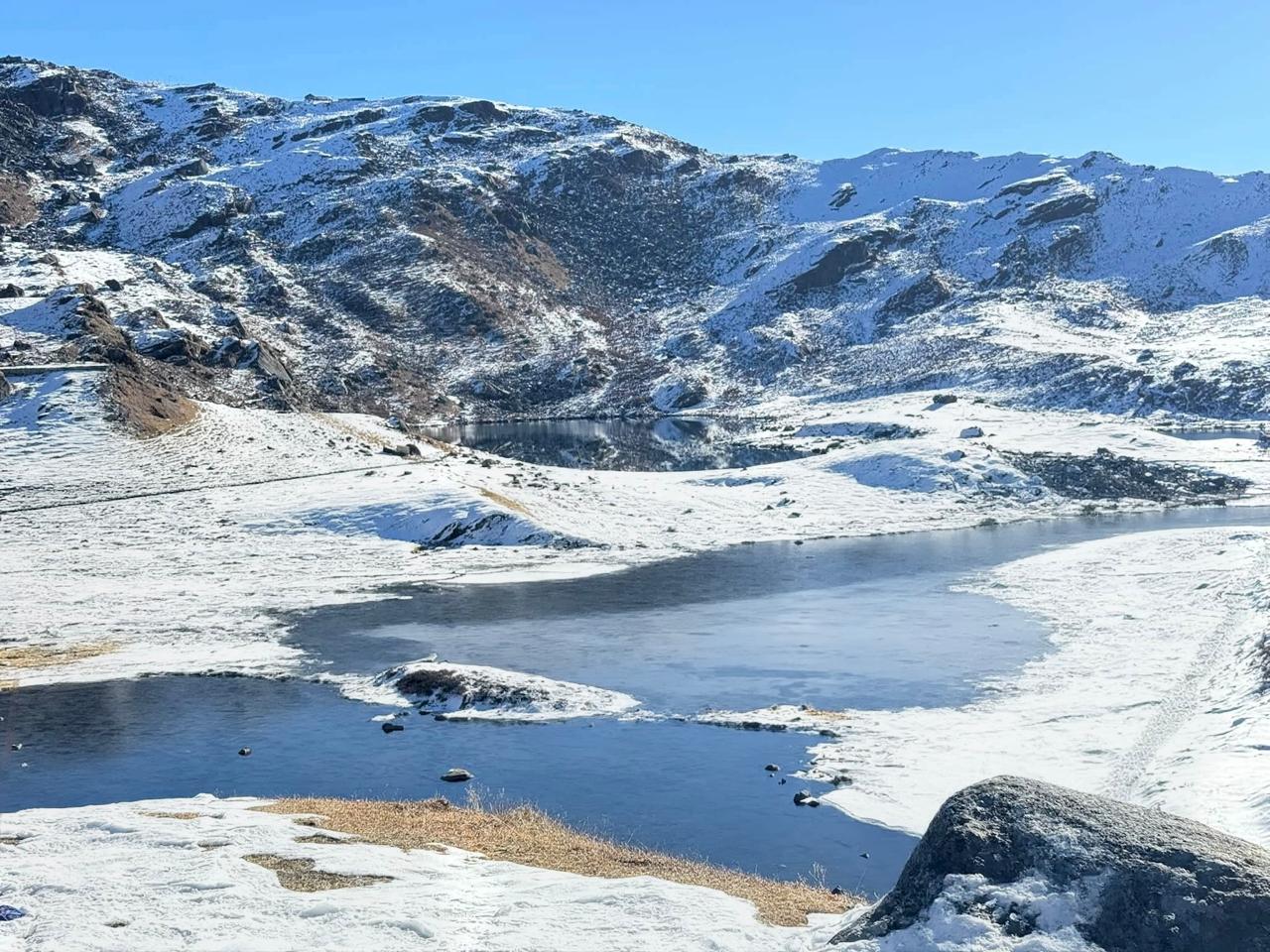
December to February: Snow above 3,500 m can close the trail or make it hazardous. Not recommended without experience on snow and current trail reports.
The following gear is not provided in the trip package and should be prepared before the trek: For a full gear checklist, see our Nepal trekking packing list.
How difficult is the Panch Pokhari trek?
Panch Pokhari is a moderate trek. The main challenge is Day 2's sustained ascent from 2,400 m to 3,700-4,100 m over six to seven hours. If you can walk five to seven hours per day on mountain terrain and have basic cardiovascular fitness, the route is achievable.
Are there other trekkers on the Panch Pokhari trail?
Panch Pokhari sees far fewer international trekkers than the main Everest or Annapurna routes. The trail is not empty — local Nepali pilgrims and some trekkers use the route — but you will not encounter the teahouse queues or crowded viewpoints typical of the established circuits.
How do we get to the trailhead from Kathmandu?
The trailhead at Bhotang/Chhimti is approximately 125-150 km northeast of Kathmandu in Sindhupalchok district. The drive takes six to seven hours by private vehicle. We depart Narantar, Kathmandu at 6:00 AM on Day 1 to maximise daylight for the first trekking day.
Is Panch Pokhari good for acclimatisation before a higher trek?
Panch Pokhari reaches 4,100-4,300 m, which provides meaningful altitude exposure, but it is too short and too rapidly ascending to serve as a formal acclimatisation trek for Everest or Manaslu routes. As a standalone destination it is well-suited to trekkers with five days who want a genuine high-altitude experience from Kathmandu.
When is Janai Purnima at Panch Pokhari?
Janai Purnima falls on the full moon day of Shrawan, typically in late July or August. If you want to experience the festival, plan your Day 3 visit to coincide with the full moon. If you prefer a quieter visit, trek in October, November, March, or April.
What is the maximum altitude on the Panch Pokhari trek?
The highest point is the sunrise viewpoint at 4,300 m, reached on the pre-dawn climb on Day 3. The five lakes themselves sit at 4,100 m.