


October is the most reliable month for trekking in Nepal — clear skies, dry trails, and the best mountain visibility of the year. Here's how to choose between EBC, Manaslu, Annapurna, Gokyo, Langtang, and Tsum Valley for your October 2026/27 trek.
Nepal Trekking in October 2026/27: Best Routes and What to Expect

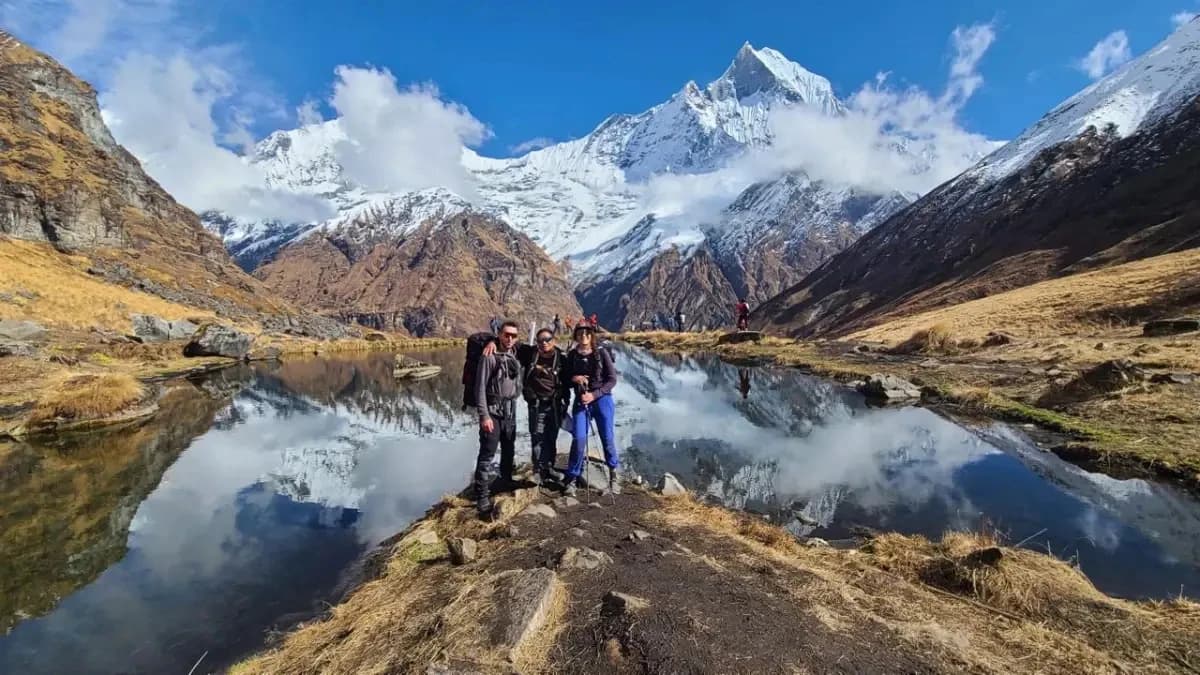
October is the most reliable month for trekking in Nepal. The monsoon ends in late September, leaving the trails clear, the rivers at normal levels, and the mountain views at their most consistent. The post-monsoon atmosphere is clean and transparent. High passes that are technically viable year-round are most predictably clear of snow in October. The teahouses on every major route are fully operational and fully staffed.
It is also the busiest month on the most popular routes. The Everest Base Camp Trek trail between Namche and Dingboche in mid-October sees several hundred trekkers per day at peak. If crowd management is a priority, the route choice and timing within October matters.
This guide covers the best Nepal treks for October 2026/27, what conditions to expect on each, and how to choose the right route for your schedule and experience level.
Why October Is the Best Month for Nepal Trekking
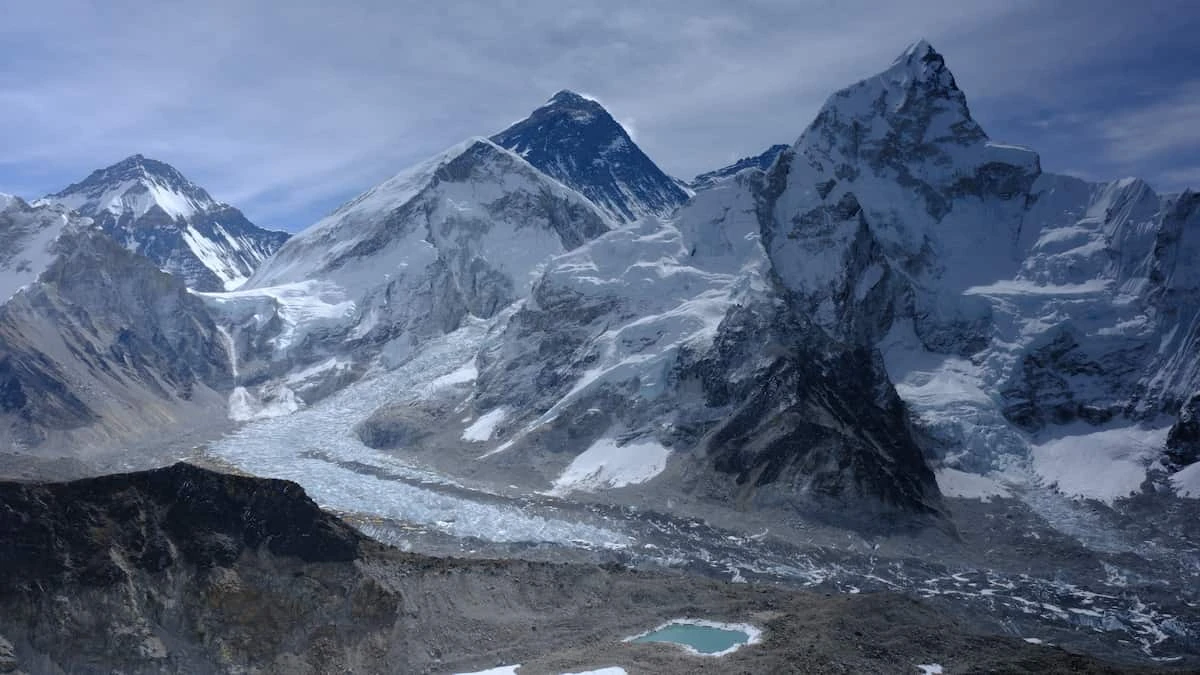
The monsoon (June to September) delivers most of Nepal's annual rainfall and leaves the trails wet, leechy at lower elevations, and cloudy at altitude. By late September the monsoon retreats. October brings post-monsoon conditions: clear morning skies, good visibility on the passes, and stable weather through most of the month.
- Temperature: Daytime temperatures at altitude range from 5 to 15 degrees Celsius at 4,000m in October. Overnight temperatures at 4,000m drop to minus 2 to minus 8 degrees Celsius. High camps above 5,000m see overnight temperatures of minus 8 to minus 15 degrees Celsius. Warm layers and a sleeping bag rated to minus 10 degrees are standard.
- Mountain views: October post-monsoon visibility is the best of the year. The Himalayan peaks are free of cloud on most October mornings, and the atmosphere above 4,000m is at its most transparent after the monsoon wash.
- Trail conditions: Dry and well-maintained on all major routes. The lower valley sections (below 3,000m) that become muddy and leech-heavy during monsoon are fully dry in October.
- High passes: Larkya La (5,106m), Thorong La (5,416m), Gokyo Ri (5,357m), and the Three Passes (Kongma La 5,535m, Cho La 5,420m, Renjo La 5,340m) are all at their most reliable in October. Snow risk on these passes increases meaningfully after mid-November.
Best Treks in Nepal for October 2026/27
Everest Base Camp Trek – 15 Days
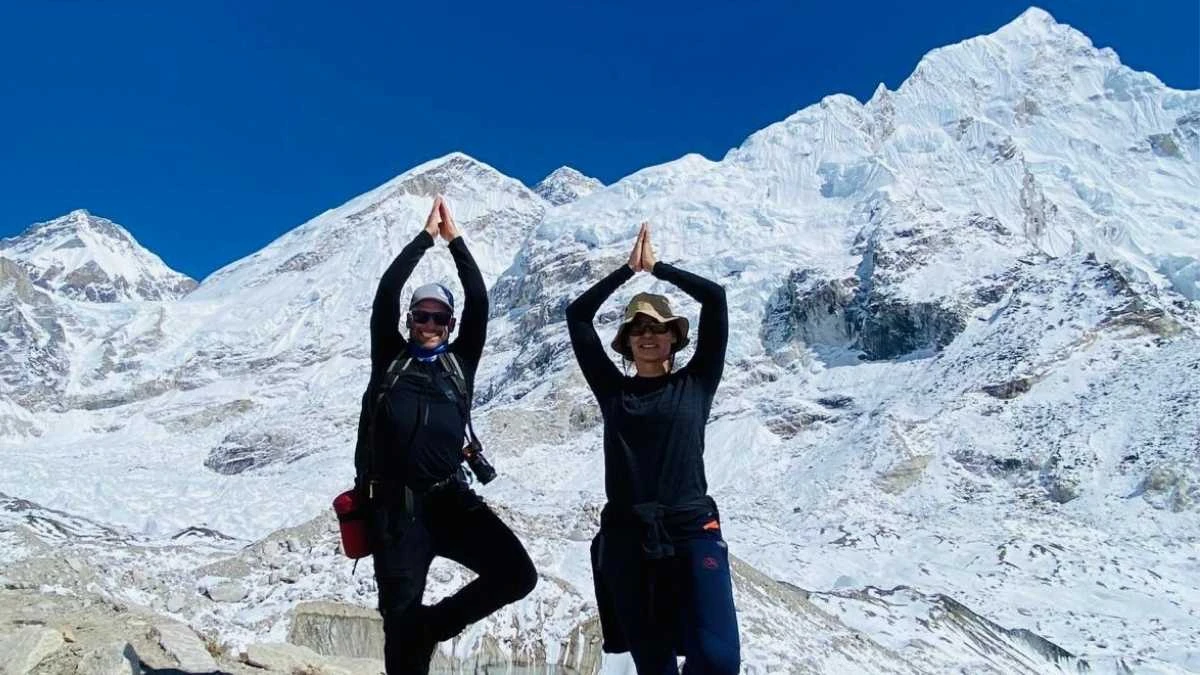
The EBC route is the most popular trek in Nepal in October. The crowds on the main Namche to Lobuche corridor are real — Gorak Shep and Lobuche teahouses book out by mid-afternoon on peak October days. Book well in advance and ask your operator to confirm teahouse reservations before departure.
In October, the Khumbu Icefall and the South Face of Everest visible from Kala Patthar (5,545m) are at their most dramatic. The rhododendron forests below Namche are post-bloom but the overall valley green from the monsoon contrasts sharply with the snow on the peaks above.
Suitable for: First-time Nepal trekkers with good general fitness. No technical climbing required. See the Everest Base Camp Trek – 15 Days at nepalguidetrekking.com for departure dates and pricing.
Manaslu Circuit Trek – 12 Days
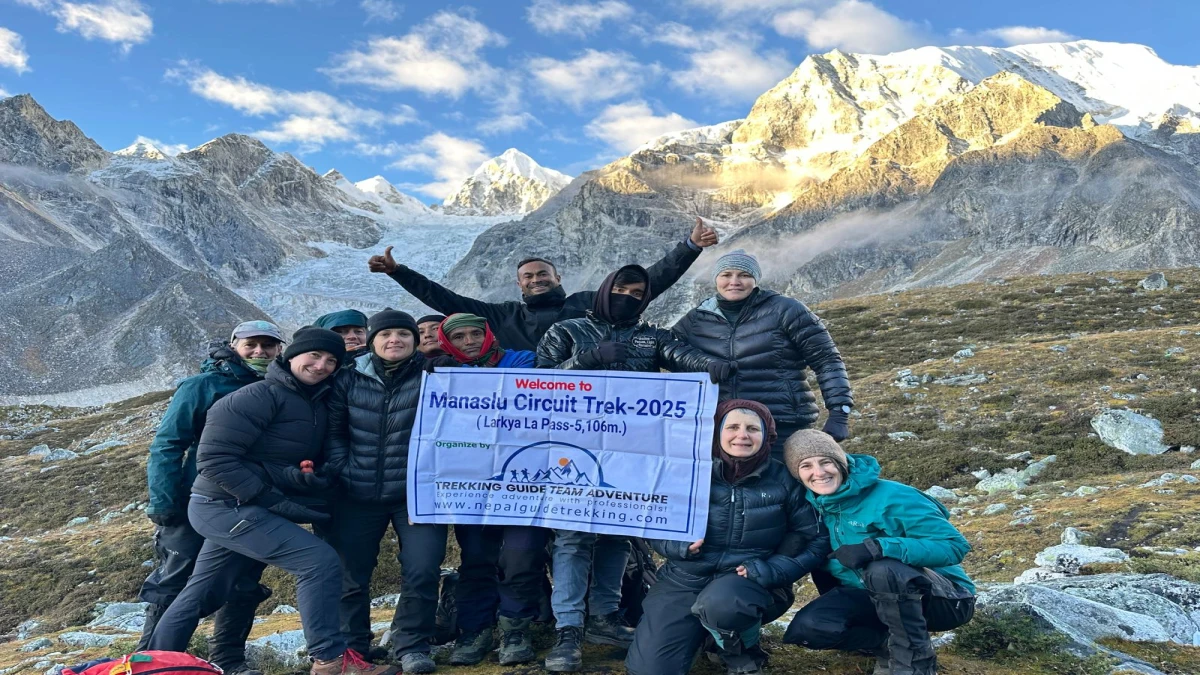
October is the peak season for the Manaslu Circuit, and Larkya La (5,106m) is at its most reliable for crossing in October — dry trail, predictable conditions, no snow accumulation on the approach. The restricted area permit (USD 100 per person per week in peak season) is at its highest rate in October and November.
The Manaslu restricted area sees far fewer trekkers than the EBC corridor even at peak season. Teahouse availability at Samagaon, Samdo, and Dharamsala is comfortable in October without the advance booking pressure of the Khumbu.
Suitable for: Trekkers with prior high-altitude trekking experience. Mandatory licensed guide. See the Manaslu Circuit Trek at nepalguidetrekking.com.
Annapurna Circuit Trek – 16 Days
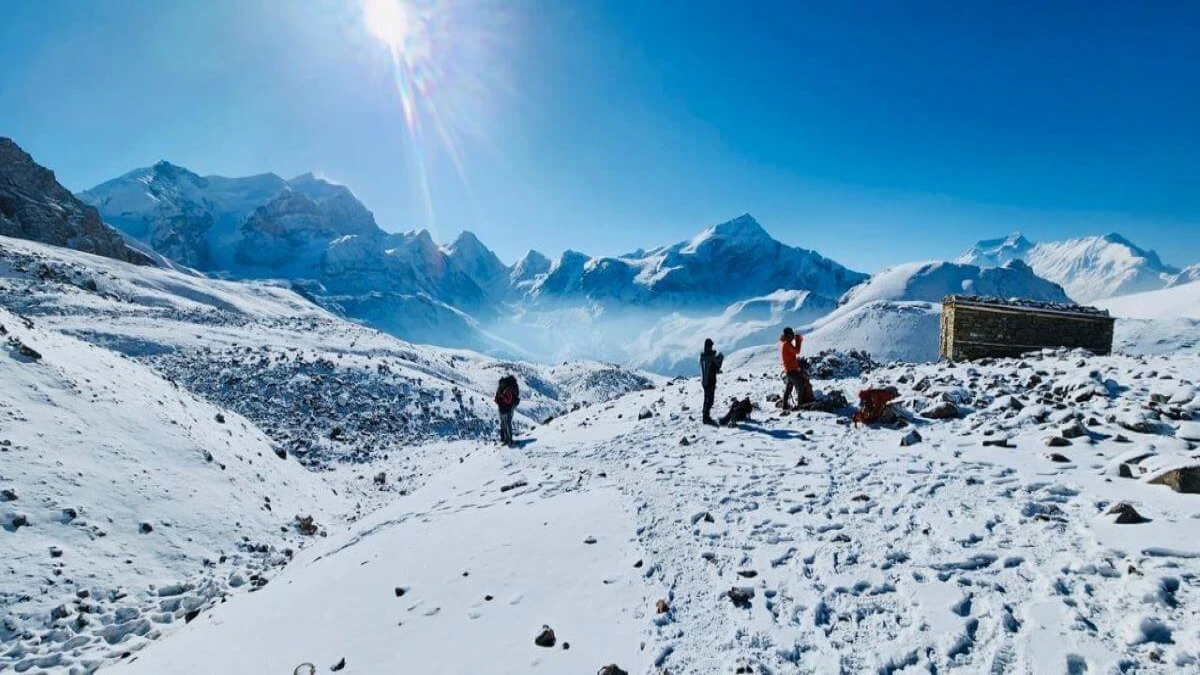
The Annapurna Circuit in October gives the Thorong La crossing (5,416m) at its most reliable conditions — dry ascent and descent. The Manang Valley acclimatisation day in October sits at an ideal temperature for the Manang to Ice Lake hike (4,600m), which is one of the best acclimatisation options on the circuit.
The Annapurna Conservation Area (ACAP) charges NPR 3,390 per person — the permit is valid for both the Annapurna Circuit and the Annapurna Base Camp route.
Suitable for: Trekkers with moderate fitness. First-time high-altitude pass crossing for many. See the Annapurna Circuit Trek – 16 Days at nepalguidetrekking.com.
Gokyo Lake Trek – 15 Days
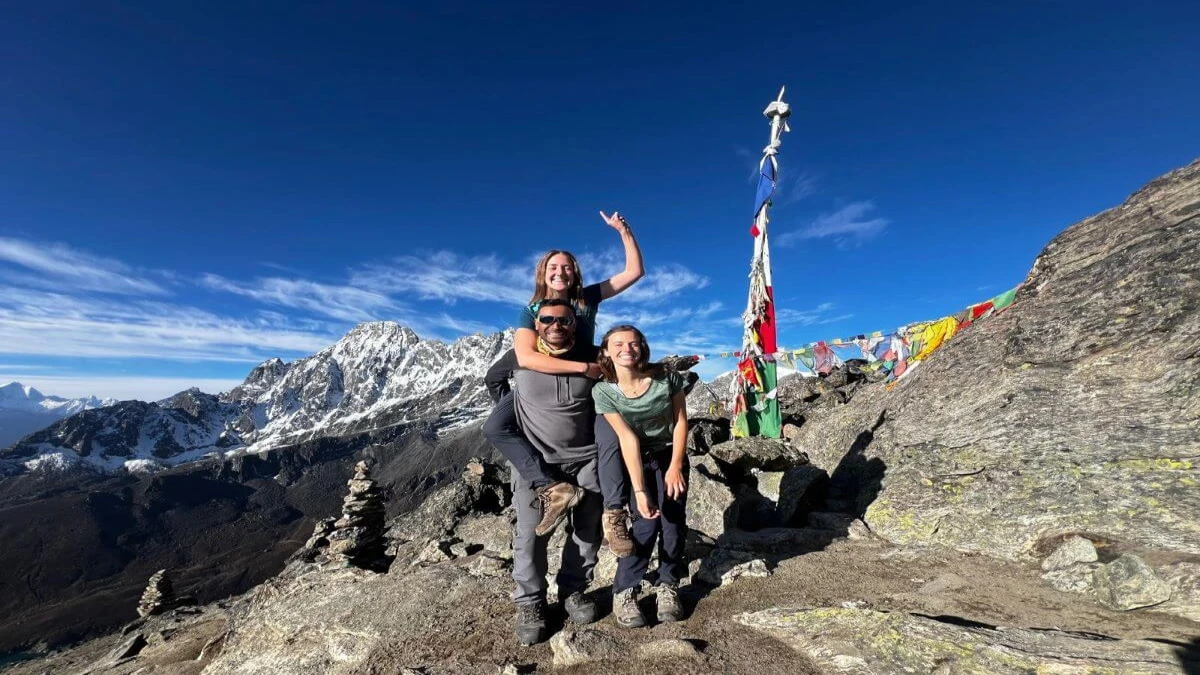
The Gokyo Valley in October: the third Gokyo Lake (Dudh Pokhari, 4,750m) reflects the post-monsoon sky at its most vivid, and Gokyo Ri (5,357m) offers one of the widest simultaneous views of 8,000m peaks available from any trekking route in Nepal — Everest, Lhotse, Makalu, and Cho Oyu all visible on a clear October morning.
The Gokyo route sees a fraction of the EBC corridor traffic even in October. Gokyo village teahouses hold 60 to 100 trekkers compared to 400 to 600 at Gorak Shep during peak EBC weeks.
Suitable for: Comparable to EBC in difficulty. Good option for EBC returnees wanting a different Khumbu experience. See the Gokyo Lake Trek – 15 Days at nepalguidetrekking.com.
Langtang Valley Trek – 9 Days
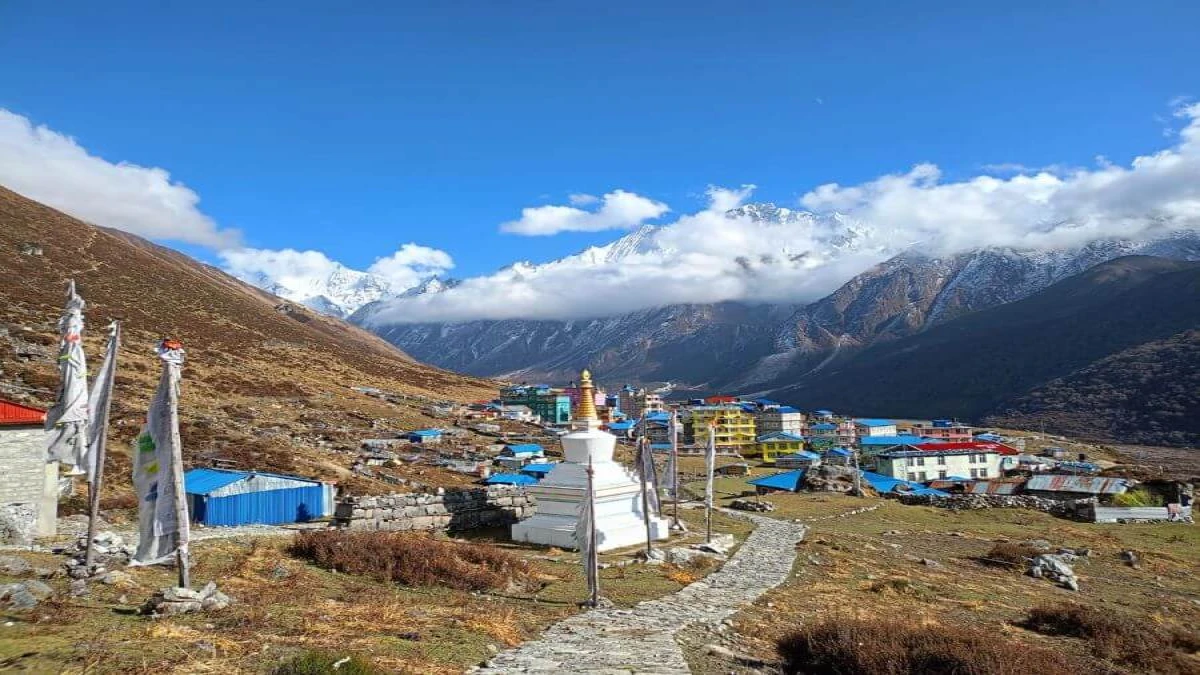
Langtang is the closest major trekking destination to Kathmandu — the trailhead at Syabrubesi is 7 to 8 hours by road, and the valley reaches above 4,000m within a few days of walking. In October, the rhododendron and oak forests on the lower approach are at their most colourful, and the high pastures above Kyanjin Gompa (3,870m) are clear and bright after the monsoon.
Langtang does not have the profile of EBC or the Manaslu Circuit, but it is a genuinely good trek with Tibetan cultural villages, the Langtang Lirung peak (7,227m) visible from the valley, and a fraction of the trekker numbers on the bigger routes.
Suitable for: Moderate fitness. Good for trekkers with limited time — a week from Kathmandu and back is achievable. See the Langtang Valley Trek at nepalguidetrekking.com.
Tsum Valley Trek – 16 Days
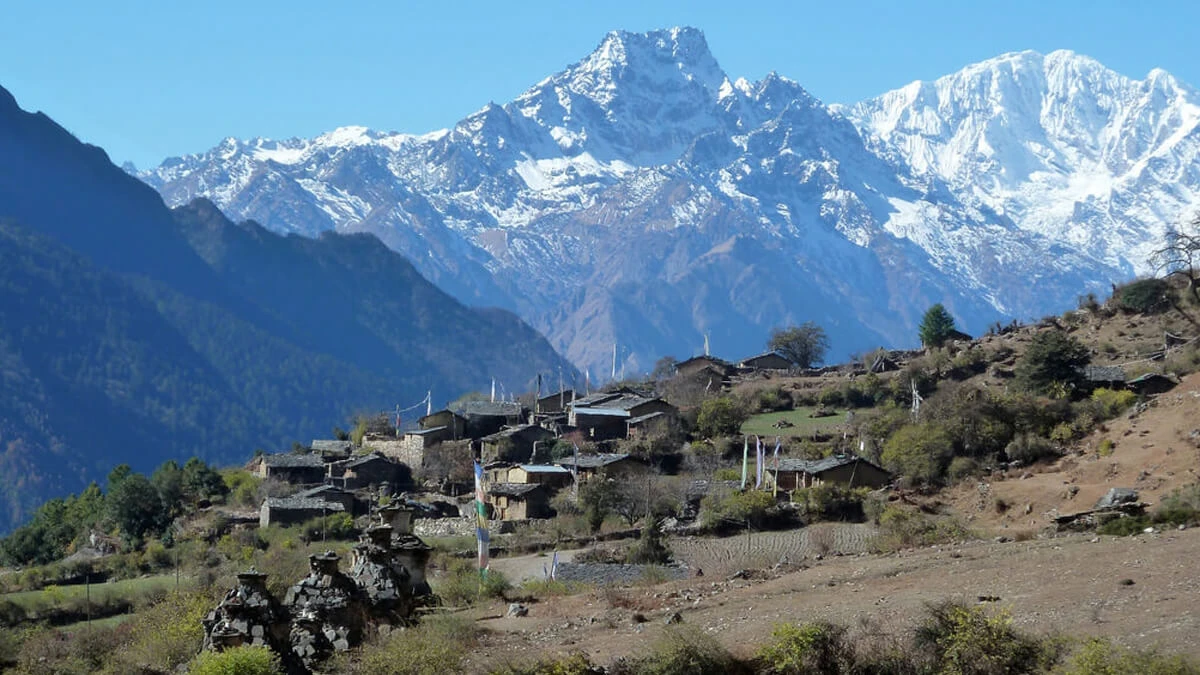
October is the optimal month for Tsum Valley. The upper valley — including Mu Gompa near the Tibetan border — is at its clearest, and the longer trekking days allow a comfortable pace through the cultural sites that are the primary reason to go. The Tsum Valley sees a small fraction of Manaslu Circuit traffic even in October, and teahouse availability throughout the route is comfortable without advance booking pressure.
Suitable for: Moderate fitness. Good for trekkers interested in cultural immersion rather than high-pass objectives. Requires the Gorkha Restricted Area Permit. See the Tsum Valley Trek at nepalguidetrekking.com.
Manaslu and Annapurna Circuit Combined Trek – 20 Days
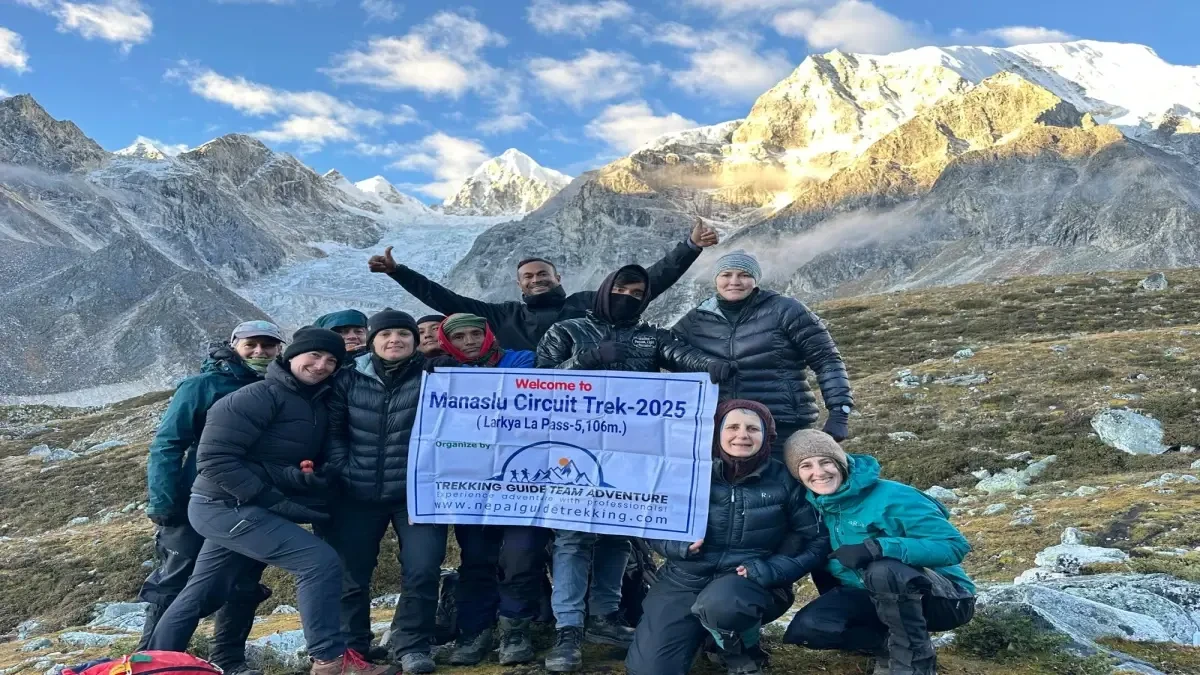
For trekkers with three weeks and the fitness to sustain it, October gives the best available conditions for crossing both Larkya La (5,106m) and Thorong La (5,416m) in a single itinerary. A Kathmandu departure in the first week of October puts Larkya La crossing in mid-October and Thorong La in late October — both at the centre of the optimal window.
After November 12, snow risk on both passes increases meaningfully. Plan the combined itinerary to cross Thorong La before November 10 at the latest.
Suitable for: Experienced trekkers with prior high-altitude experience. The hardest standard non-technical trekking itinerary in Nepal. See the Manaslu and Annapurna Circuit Trek at nepalguidetrekking.com.
October Trekking Routes — Quick Comparison
| Trek | Duration | Max Altitude | October Difficulty | Best For |
|---|---|---|---|---|
| Everest Base Camp | 15 days | 5,545m (Kala Patthar) | Moderate to strenuous | First-time Nepal trekkers |
| Manaslu Circuit | 12 days | 5,106m (Larkya La) | Strenuous | Trekkers wanting remote trails |
| Annapurna Circuit | 16 days | 5,416m (Thorong La) | Strenuous | Classic high-pass circuit |
| Gokyo Lake Trek | 15 days | 5,357m (Gokyo Ri) | Moderate to strenuous | EBC alternative, fewer crowds |
| Langtang Valley | 9 days | 4,773m (Tserko Ri) | Moderate | Short schedule, Kathmandu-close |
| Tsum Valley | 16 days | ~4,200m | Moderate | Cultural trekking focus |
| Manaslu + AC Combined | 20 days | 5,416m (Thorong La) | Very strenuous | Experienced trekkers only |
What to Pack for Nepal Trekking in October
- Down jacket: Essential above 3,500m. Overnight temperatures at Namche (3,440m) drop to 2 to 5 degrees Celsius in October. Teahouse common areas are unheated on most routes.
- Sleeping bag: Rated to minus 10 degrees Celsius minimum. Minus 15 for routes that go above 4,500m.
- Waterproof layers: October is generally dry but afternoon showers are possible on the lower approach sections of most routes.
- Sun protection: UV intensity at altitude is high regardless of cloud cover. Sunscreen and UV-blocking sunglasses are non-optional above 3,500m.
- Layers: Temperature range on a single October day: minus 5 degrees Celsius at the high camp dawn departure to 15 degrees Celsius at midday on the valley floor. Pack for the full range.
Frequently Asked Questions
Is October the best month for trekking in Nepal?
October is consistently rated the best month for Nepal trekking. Post-monsoon weather is stable, mountain visibility is at its peak, trails are dry, and all major high passes are reliably snow-free. The trade-off is that October is the busiest month on the EBC and Annapurna corridors — expect full teahouses and advance booking requirements on these routes.
Which Nepal trek is best in October?
It depends on your experience, schedule, and what you want from the trek. For a first-time Nepal trekker: Everest Base Camp (15 days) or Langtang (9 days if time is limited). For experienced trekkers wanting fewer crowds: Manaslu Circuit or Gokyo Lake. For cultural depth: Tsum Valley. For maximum ambition: the combined Manaslu and Annapurna Circuit (20 days).
How cold is Nepal trekking in October?
At 4,000m (Dingboche, Manang), daytime temperatures range from 5 to 12 degrees Celsius and overnight temperatures drop to minus 2 to minus 8 degrees Celsius. Above 5,000m (high camps), overnight temperatures reach minus 8 to minus 15 degrees Celsius. Teahouse rooms at altitude have no heating — a good sleeping bag and layering system are essential.
Do I need to book in advance for October trekking in Nepal?
Yes, on the popular routes. EBC teahouses between Namche and Gorak Shep fill quickly in peak October weeks — book at least 2 to 3 months in advance for October departures. The Manaslu Circuit, Gokyo route, and Langtang Valley have more teahouse availability and less booking pressure.
What permits do I need for Nepal trekking in October?
Permits depend on the route. EBC requires the Sagarmatha National Park Permit (NPR 3,390) and the Khumbu local fee (NPR 3,000). The Manaslu Circuit requires the Manaslu Restricted Area Permit (USD 100/week in October), MCAP, and ACAP. The Annapurna Circuit requires ACAP. All permits are arranged by your licensed operator before departure.
Need Help? Call Us on WhatsApp+977 9851229400orChat with us
Latest Travel Guides
Oct 07, 2026By Kabiraj
Annapurna Base Camp Trek: Complete Guide for 2026/27
Read the article
Sep 30, 2026By Kabiraj
Everest Base Camp Trek Itinerary: Day-by-Day Guide for 2026/27
Read the articleNeed Help? Call Us.+977 9851229400