Mardi Himal and Khopra Danda are two of the most distinct off-route options in the Annapurna region. Neither appears on the classic Annapurna Circuit or the base camp route, and that is part of what makes them worth discussing. We guide both routes regularly, and the question of which to choose — or whether to combine them — comes up often enough that it deserves a direct answer.
This guide compares both treks honestly, covers what each involves in 2026/27, and explains who each route suits.
What Is the Mardi Himal Trek?
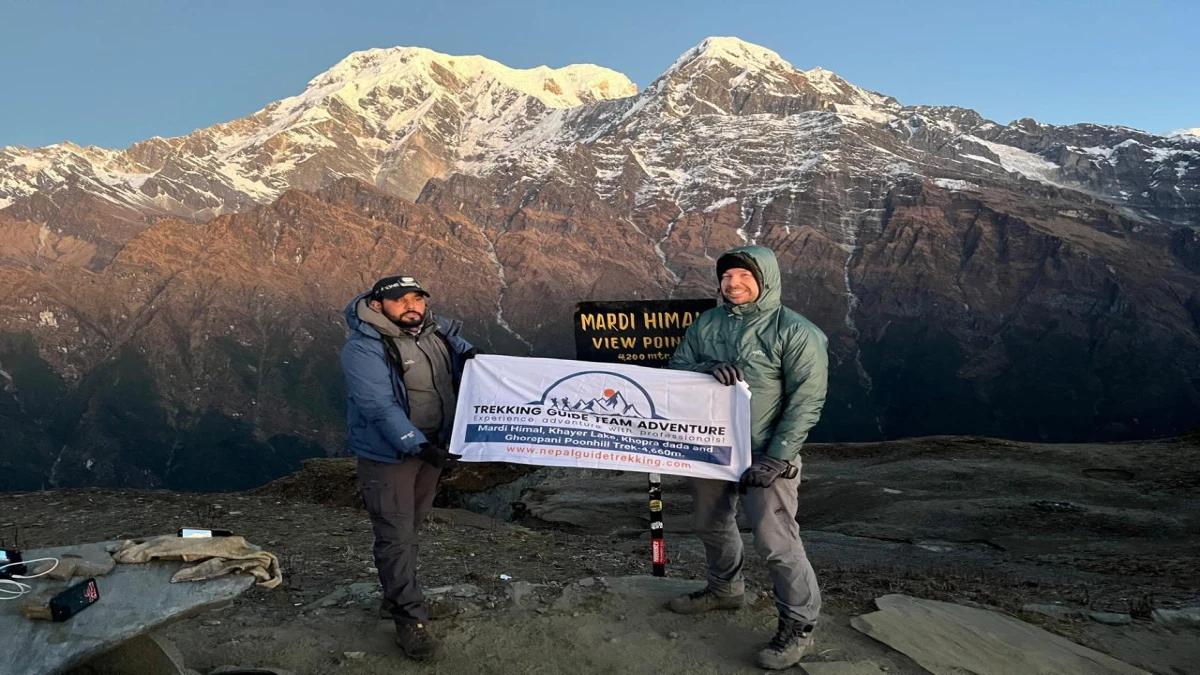
The Mardi Himal trek approaches Mardi Himal Base Camp at 4,500 m from the Pokhara side, following a ridge system that offers unusually close views of Machhapuchhre (Fishtail) and the southern face of the Annapurna Massif. The route is compact — most groups complete it in five to seven days — and the views from the upper section are among the closest you can get to Machhapuchhre without attempting the peak itself.

The trail runs through rhododendron forest in the lower sections, opens onto a long exposed ridge above 3,000 m, and climbs to the base camp area and a viewpoint above 4,500 m. It is not a heavily crowded route, but it has become more popular since it was officially opened as a designated trekking trail.
Key facts:
- Duration: 5-7 days
- Maximum altitude: 4,500 m (Mardi Himal Base Camp)
- Difficulty: Moderate
- Permits: ACAP
- Start/end: Pokhara (via Kande or Phedi)
What Is the Khopra Danda Trek?
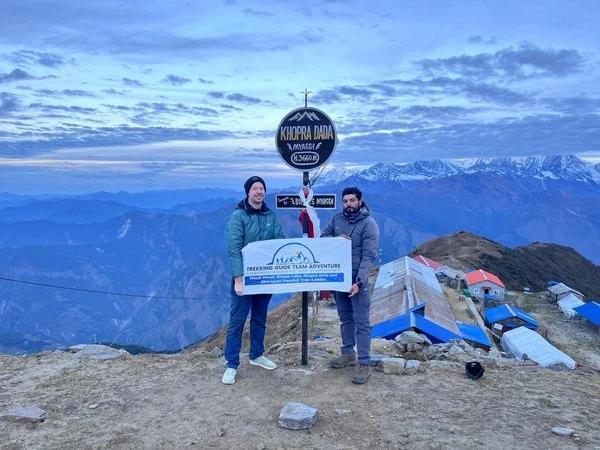
Khopra Danda (also called Khopra Ridge) is a longer and more remote route in the same Annapurna region, reaching Khopra Ridge at 3,660 m and optionally extending to Khayer Lake at 4,600 m. The route runs through Ghandruk, one of the most traditional Gurung villages in the Annapurna region, and continues onto a high ridge with panoramic views across Dhaulagiri, Annapurna South, and Nilgiri.
The Khopra Danda route is quieter than Mardi Himal and the Annapurna Base Camp trail. It passes through fewer large village stops and more isolated terrain. Groups that want the Annapurna region without the main route's foot traffic consistently rate Khopra Danda highly.
Key facts:
- Duration: 7-9 days
- Maximum altitude: 4,600 m (Khayer Lake, optional extension)
- Difficulty: Moderate to challenging
- Permits: ACAP
- Start/end: Pokhara (via Nayapul or Kimche)
Mardi Himal vs Khopra Danda Trek: Side-by-Side Comparison
| Feature |
Mardi Himal |
Khopra Danda |
| Duration |
5-7 days |
7-9 days |
| Max altitude |
4,500 m (Base Camp) |
4,600 m (Khayer Lake) |
| Difficulty |
Moderate |
Moderate to challenging |
| Trail traffic |
Low to moderate |
Very low |
| Signature view |
Machhapuchhre up close |
Dhaulagiri, Annapurna South panorama |
| Village character |
Mixed, some tourist development |
Strong Gurung culture at Ghandruk |
| Best season |
October-May |
October-November, March-May |
| Permits |
ACAP |
ACAP |
| Combined trek possible |
Yes, 10-12 days |
Yes, 10-12 days |
Mardi Himal Trek: What to Expect
The Ridge Section
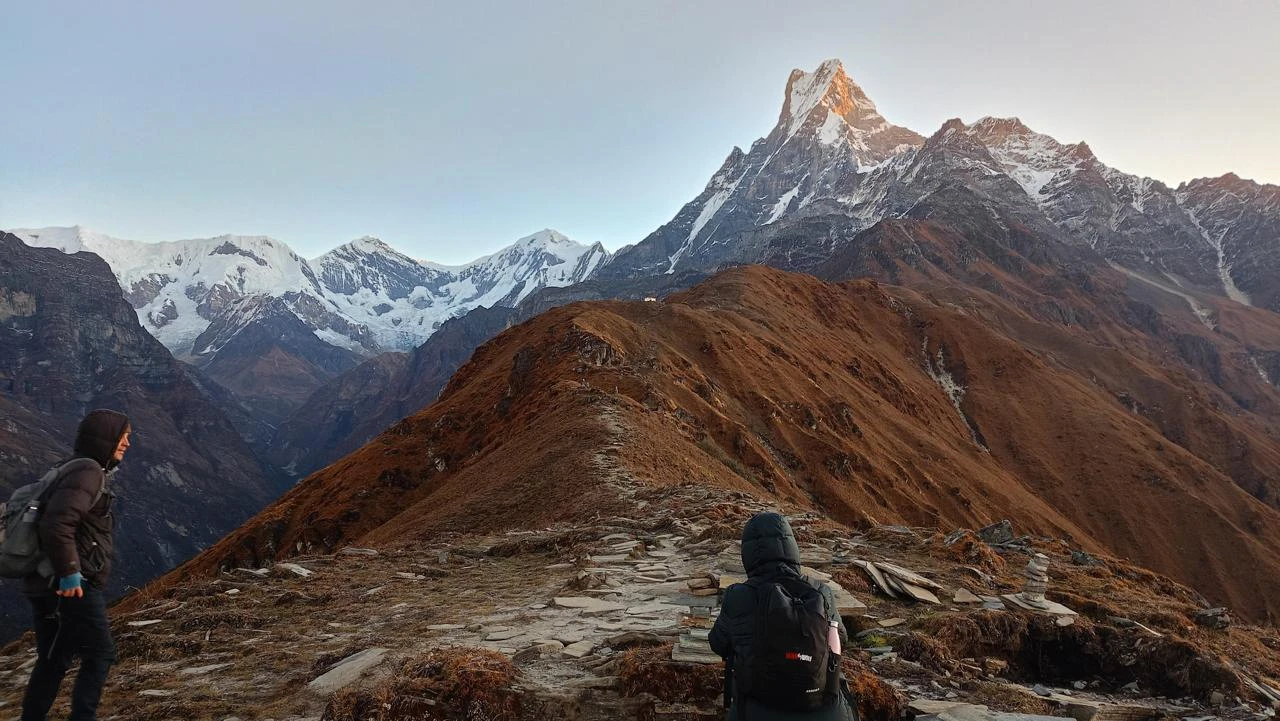
The upper section of the Mardi Himal trek runs along a ridge from Forest Camp (2,620 m) through Low Camp (2,985 m), High Camp (3,580 m), and to the Base Camp area (4,500 m). This ridge walk is the defining feature of the route — open, exposed terrain with consistent views of Machhapuchhre on one side and the Mardi Himal summit above.

The ridge can be cold and windy in autumn and spring. Groups that have trekked the Annapurna Base Camp route often comment that Mardi Himal's ridge section feels more physically present in the mountains — the proximity to Machhapuchhre is striking in a way that photographs do not fully capture.
Trail Conditions and Crowds
Mardi Himal has seen increased trekker numbers since its designation as an official trekking trail. It is not crowded by Annapurna Circuit standards, but it is no longer the entirely solitary route it once was. October and November are the busiest months; March and April offer similar weather with fewer people.
Mardi Himal Trek Difficulty
This is a moderate trek. The sustained ridge section from Low Camp to High Camp involves consistent elevation gain over several hours. Good general fitness is required. Altitude above 3,500 m is relevant — groups should not rush the ascent and should allow a rest day at High Camp before pushing to Base Camp if any symptoms of altitude sickness appear. For a fuller breakdown of the route, see our guide to Mardi Himal trek difficulty.
Khopra Danda Trek: What to Expect
Ghandruk and the Gurung Villages
The Khopra Danda route passes through Ghandruk, one of the most intact traditional Gurung villages in the Annapurna region. Stone-paved lanes, traditional architecture, and a community museum make Ghandruk worth more than a transit stop. We build in a half day here for groups that want to understand the culture behind the trekking infrastructure.

Khopra Ridge
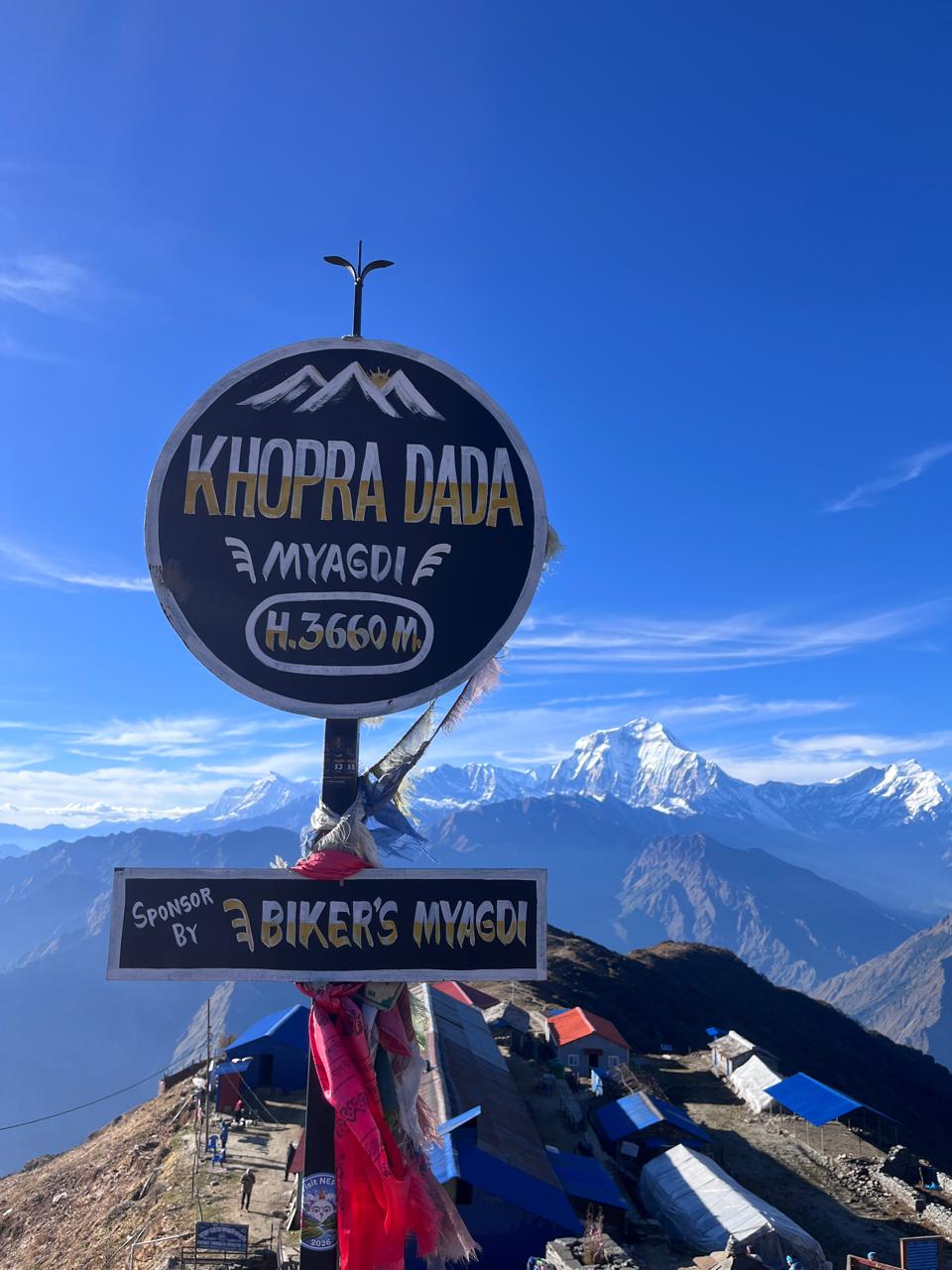
The ridge at 3,660 m offers a 180-degree panorama across some of the most dramatic summits in the Annapurna range: Annapurna South (7,219 m), Hiunchuli, Nilgiri, and a clear sightline to Dhaulagiri (8,167 m) on clear days. The ridge is exposed and the sunrises here are particularly good — the route rewards an early camp arrival on the afternoon before summit day.
Khayer Lake Extension
Khayer Lake at 4,600 m is a high-altitude sacred lake about 3-4 hours above Khopra Ridge. The lake sits in a glacial cirque and is visited by Hindu pilgrims during Janai Purnima. The extension adds one to two days to the trek and significantly increases the altitude challenge — this section is best suited to trekkers comfortable at altitude who have already acclimatised well on the lower route.
Trail Conditions and Solitude
Khopra Danda is one of the quieter designated routes in the Annapurna region. We regularly run groups that encounter very few other trekkers above Ghandruk. For groups that have done the Annapurna Circuit or the ABC route and want something less trafficked, this is a consistent recommendation.
The Combined Mardi Himal and Khopra Danda Trek
The two routes share a geographic area and can be combined into a single 10-12 day trek from Pokhara. The combined route — covering Khopra Danda and Mardi Himal in one journey — is what the title of this post refers to, and it is the approach we most often recommend for trekkers with 10 or more days who want the Annapurna region without the main circuit.
The combined route offers:
- Two distinct ridge systems in the same mountain area
- Views of both the Dhaulagiri and Machhapuchhre
- Ghandruk as a cultural anchor point
- Maximum altitude of 4,600 m (Khayer Lake) or 4,500 m (Mardi Himal Base Camp) depending on priorities
- Very low combined trail traffic compared to any part of the main Annapurna circuit
What makes this combined trek different from the standard Annapurna options is the absence of the main route's infrastructure and crowds. You are not on the established circuit or the base camp trail. You are on two side routes that most trekkers never take. That is both the challenge and the draw.\
Permits for Mardi Himal and Khopra Danda 2026/27
Both routes require one permit:
- ACAP (Annapurna Conservation Area Permit): NPR 3,000 per person for foreign nationals
The ACAP permit covers both routes if combined. Permits are obtained in Kathmandu or Pokhara before the trek begins. Our Nepal trekking permits guide covers fees and requirements for every route.
Best Time to Trek Mardi Himal and Khopra Danda
Autumn (October to November) is the best window for both routes. Clear skies, dry trails, and good visibility across the Annapurna and Dhaulagiri ranges.
Spring (March to May) is the second-best season. Rhododendron bloom on the lower sections from March through early April adds visual interest to the forest walking. Late April and early May can bring afternoon cloud on the ridge sections.
Winter (December to February) is possible on the lower sections but cold at Khopra Ridge and Mardi Himal High Camp. Snow can cover the trails above 3,500 m. Not recommended without cold-weather equipment and current local trail reports.
Monsoon (June to September) brings persistent cloud and rain. Views are limited and leeches are active on the forest sections.
Which Trek Should You Choose?
Choose Mardi Himal if:
- You have 5-7 days from Pokhara
- Close-up views of Machhapuchhre are a priority
- You want a compact, focused ridge walk
- You prefer a shorter, more intense route over a longer expedition
Choose Khopra Danda if:
- You have 7-9 days and want more solitude
- Gurung culture and village life matter as much as the mountain views
- You want a higher maximum altitude with the Khayer Lake extension
- Dhaulagiri views are a priority
Choose the combined trek if:
- You have 10-12 days
- You want to cover the most distinctive terrain in the Annapurna region outside the main routes
- Variety — ridge terrain, forest, high lakes, traditional villages — is more important than a single signature destination
Frequently Asked Questions
Is the Mardi Himal trek harder than the Annapurna Base Camp trek?
Mardi Himal is comparable in difficulty to the Annapurna Base Camp route and reaches a similar maximum altitude. The ABC route is longer with more elevation gain overall. Mardi Himal is more physically concentrated, with the main effort on the ridge section above Low Camp.
Can Mardi Himal and Khopra Danda be trekked in the same trip?
Yes. We regularly run combined 10-12 day itineraries covering both routes. The two ridges are in the same geographic area and the combined circuit is a logical and rewarding route. Contact us for the full itinerary.
How remote is Khopra Danda?
The route passes through established villages including Ghandruk, so it is not remote in the sense of being unsupported. Above Ghandruk and onto the ridge, teahouses exist but are simpler than on the main Annapurna routes. Emergency evacuation by helicopter is accessible from most points on the route.
Do these treks require a guide in 2026/27?
Nepal's trekking regulations require a licensed guide for protected area routes. Both Mardi Himal and Khopra Danda fall within the Annapurna Conservation Area, so a registered guide is required.
What is the best season for the combined Mardi Himal and Khopra Danda trek?
October and November are the best months for the combined route. Clear skies post-monsoon give the best views on both ridges, and the trail is dry throughout.