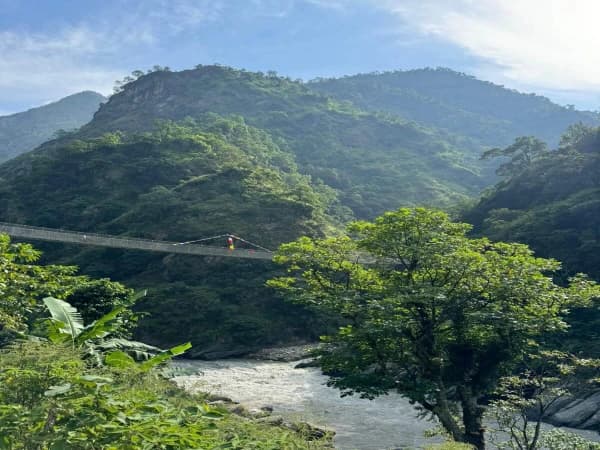
Accommodation on the Panch Pokhari Trek
All accommodation on this trek is in teahouses or local guesthouses. The standard varies by elevation.
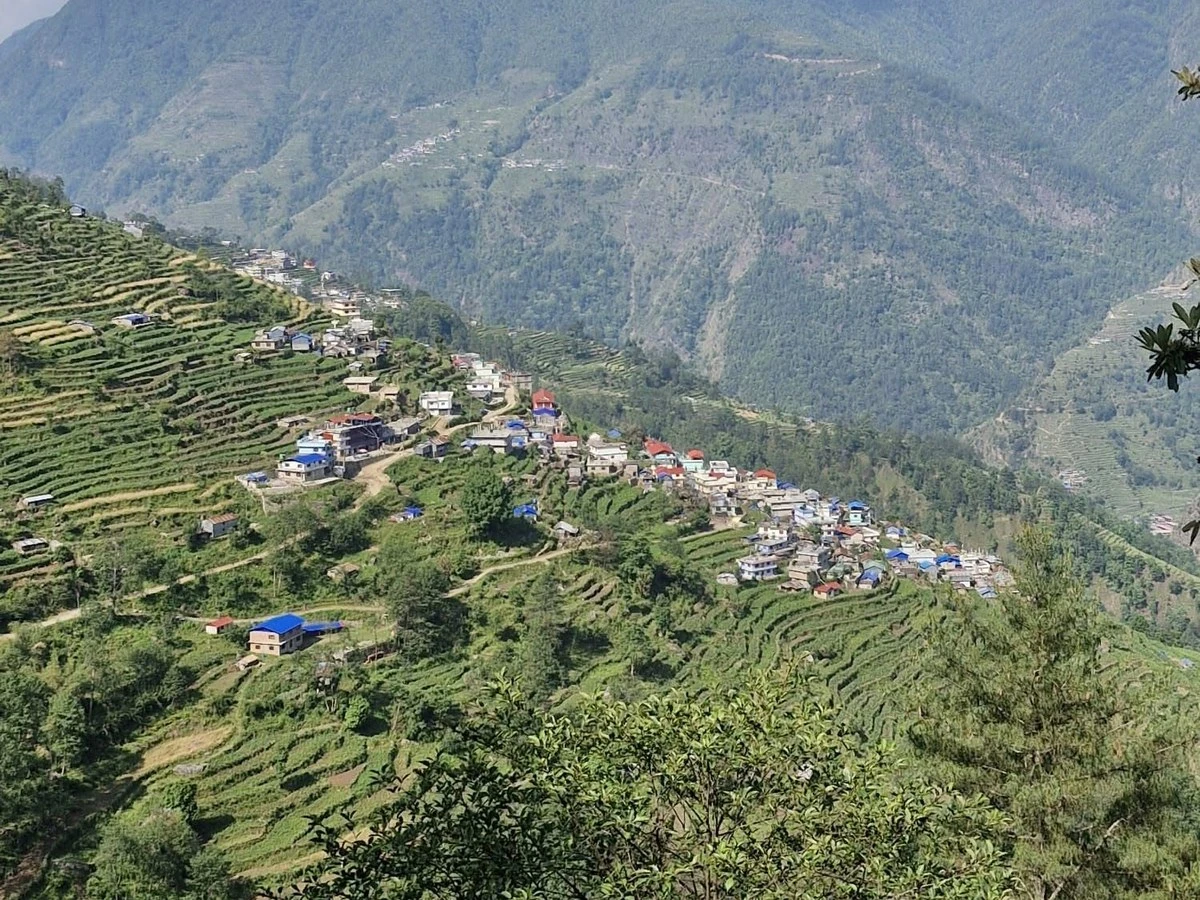
Lower elevations (Bhotang/Chhimti, 1,800 m): Local guesthouses in the valley settlement, used on Days 1 and 4. Private rooms are available; bathroom facilities are basic. Hot water is typically available on request. Electricity for charging devices is generally available.
Mid-elevation forest camp (Tuppi Danda, 2,400 m): Teahouse lodges set in the forest. Private rooms are available, though smaller than lower-elevation options. Shared bathrooms are standard. Electricity may be limited; a portable power bank is a practical backup. We spend two nights here: once ascending, once descending.
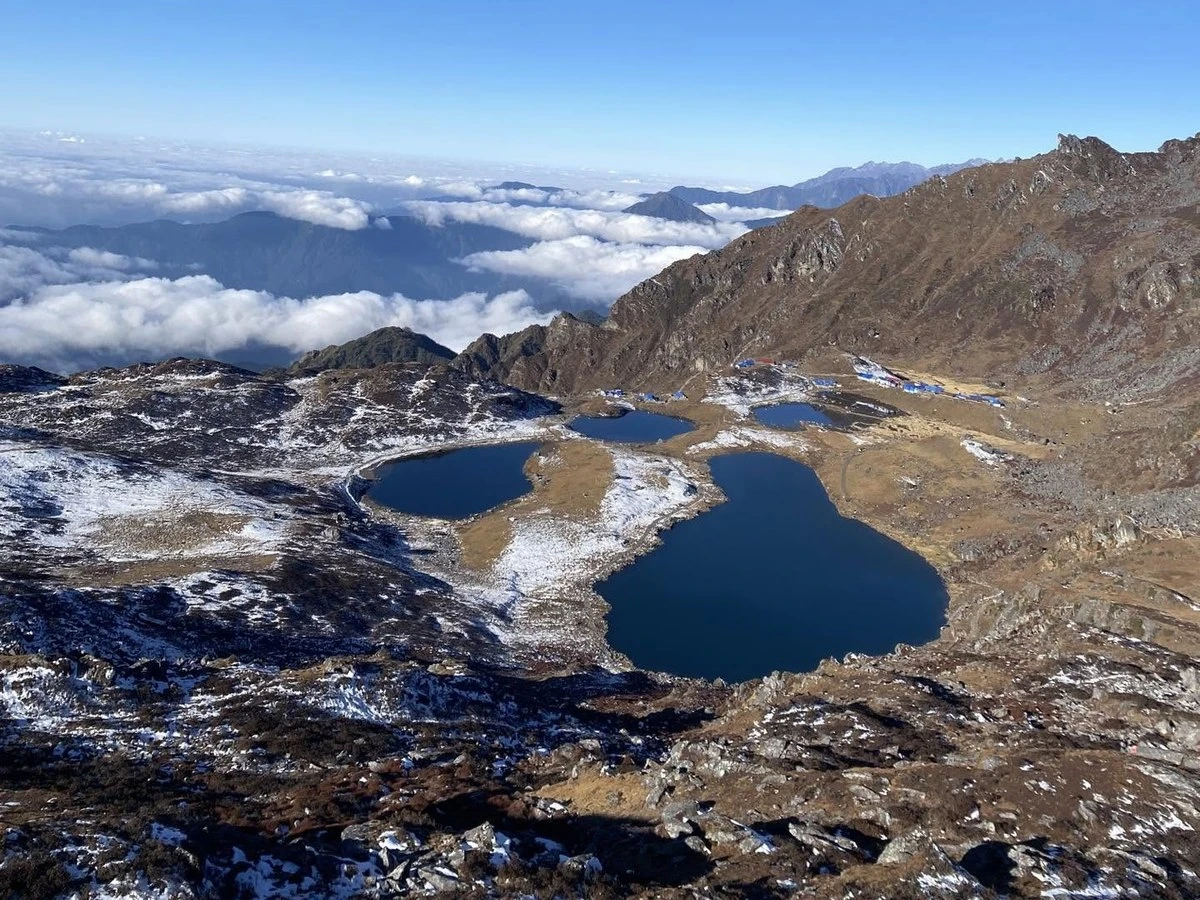
High altitude (Noshyampati, 3,700 m, and Panch Pokhari, 4,100 m): Accommodation at high elevation is simple: basic teahouse rooms with shared facilities. Hot water for showers is not available at this altitude. Expect no reliable electricity for device charging above 3,000 m.
Bedding: A sleeping bag rated to -10 degrees C is essential from Tuppi Danda upward. Teahouses provide blankets but cold nights at high altitude require your own sleeping bag on top.
Food on the Panch Pokhari Trek
Meals from lunch on Day 1 through breakfast on Day 5 are provided at teahouses and guesthouses along the route.
What is available: Teahouse menus cover the standard trekking range: dal bhat (lentil soup, rice, vegetable curry, pickles), fried rice, noodle soups, pasta, eggs cooked several ways, porridge, toast, and pancakes. Dal bhat is the most reliably available option at all stops and comes with free refills. At higher elevations, particularly Noshyampati and Panch Pokhari, menus simplify and prices increase due to supply logistics.
Dietary requirements: Vegetarian options are available at all stops. Vegan options are more limited but workable with advance notice at lower elevations. If you have a severe allergy or strict dietary requirement, inform us at the time of booking so the guide can communicate with lodge owners in advance.
Drinking water: Bottled water is available for purchase at teahouses throughout the route. A reusable bottle with a water filter or purification tablets is both more economical and reduces plastic waste on the trail. Boiled water can be purchased from most teahouses at lower cost than bottled water.
Meals not included: Day 5 lunch (after drop-off in Kathmandu) and any snacks, extra beverages, or alcohol purchased along the route are at personal expense.
Panch Pokhari Trek Permits Required
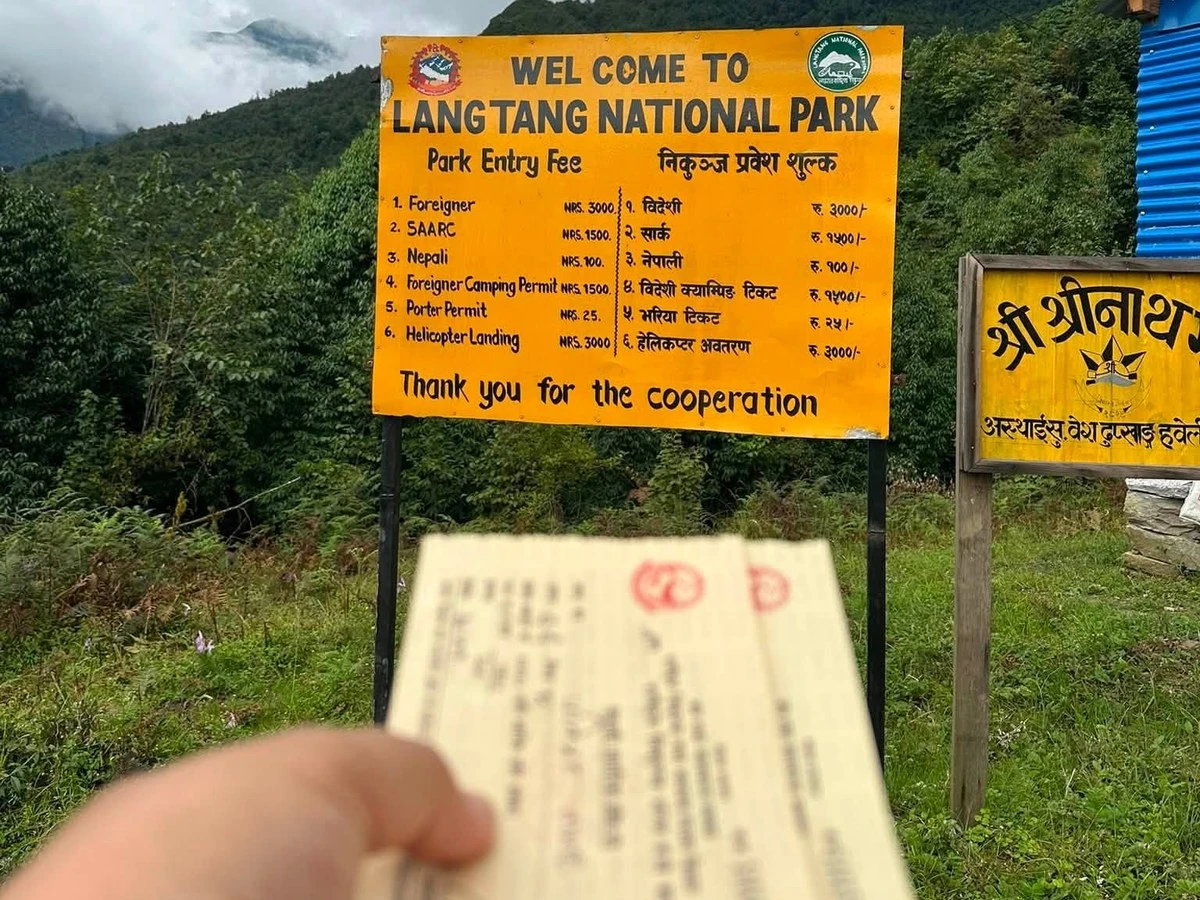
The Panch Pokhari trek requires a Langtang National Park entry permit. For foreign nationals the fee is NPR 3,000 per person (approximately USD 22-23). The permit is normally issued at the Nepal Tourism Board office in Kathmandu or at the Langtang National Park gate.
The permit fee is included in the trek price and we arrange it for you, so there is no permit office to visit and no separate permit cost to budget for.
Best Time to Trek Panch Pokhari
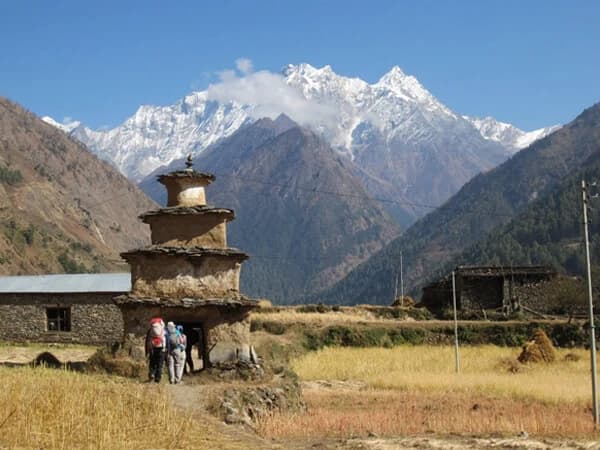
Autumn (October to November) is the most reliable window. Post-monsoon skies are typically clear, the trail is dry, and visibility to the Jugal Himal and surrounding peaks is at its best. Temperatures are cool but comfortable during the day and cold at night above 3,500 m.
Spring (March to May) is the second-best season. Rhododendrons and other forest species bloom in the lower trail sections through March and April. Temperatures are mild at Tuppi Danda and below; late April can bring afternoon cloud build-up at altitude.
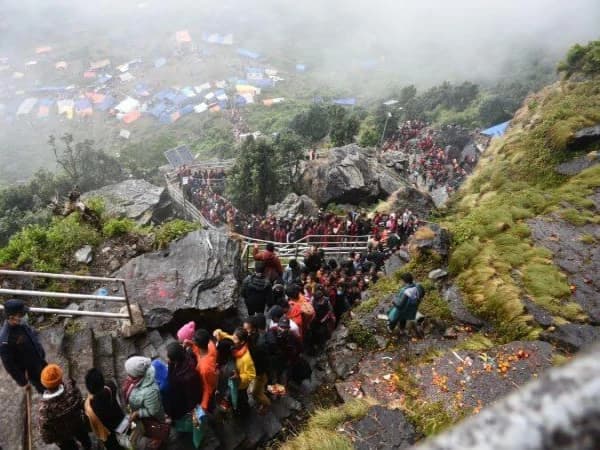
Monsoon (June to September) brings persistent cloud that limits views and makes the trail above 3,000 m wet and slippery. The Janai Purnima pilgrimage festival in late July or August draws Hindu pilgrims to Panch Pokhari during this window; the route is passable but crowded during the festival period.
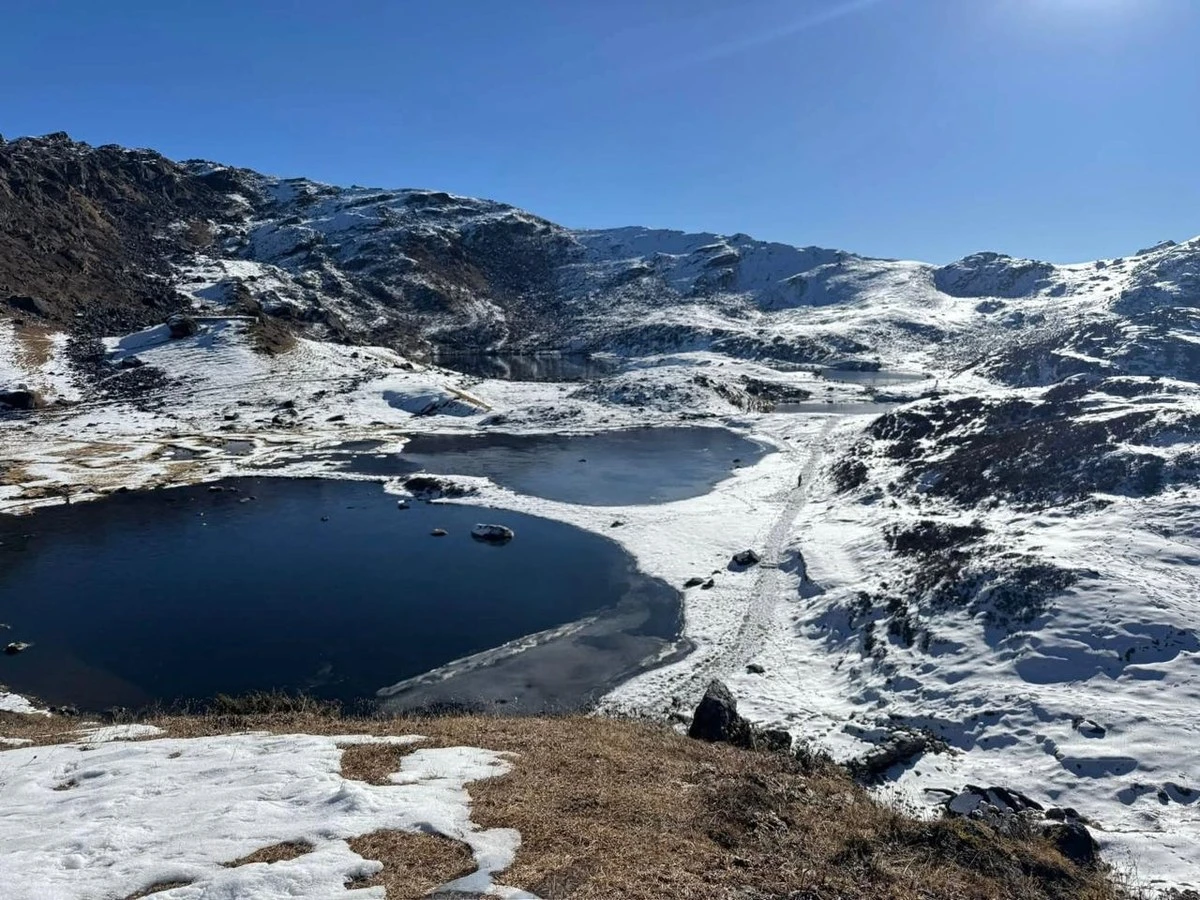
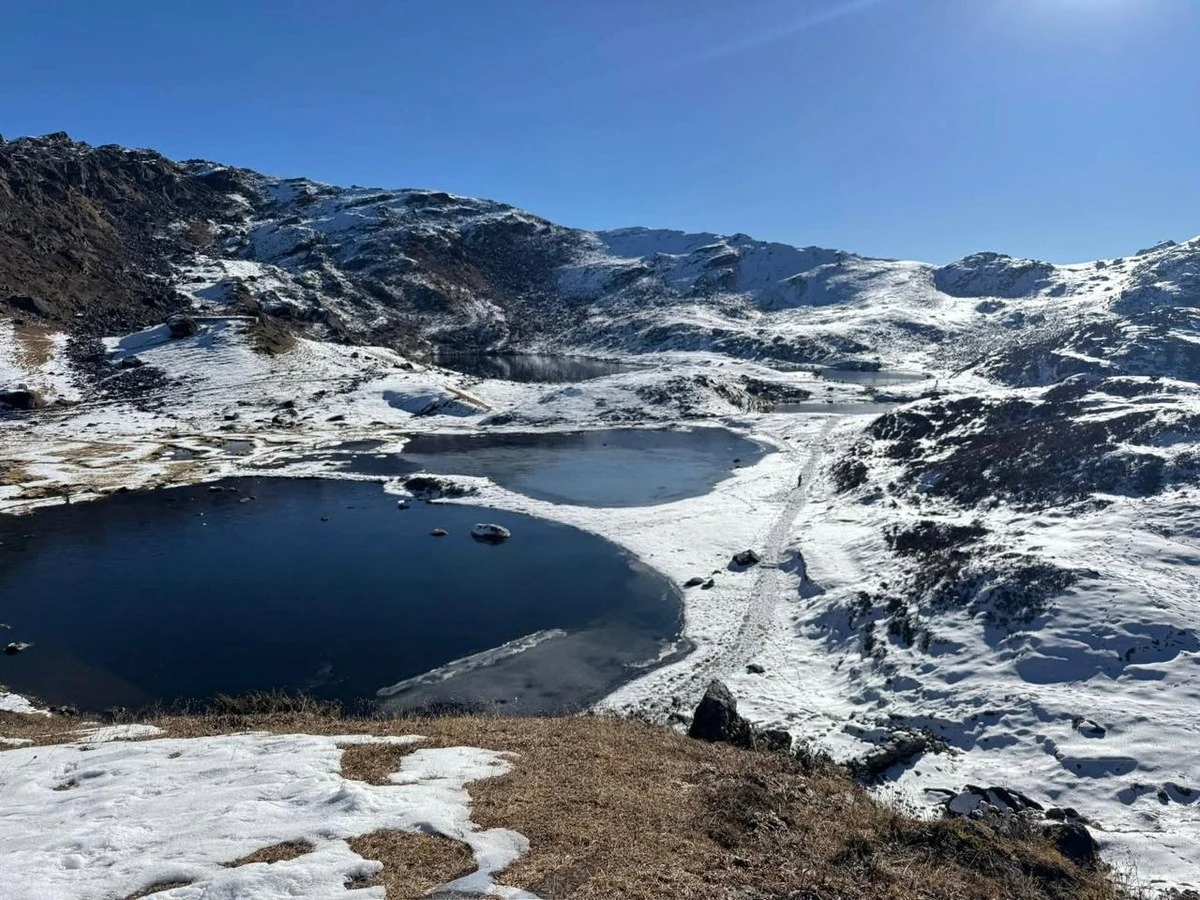
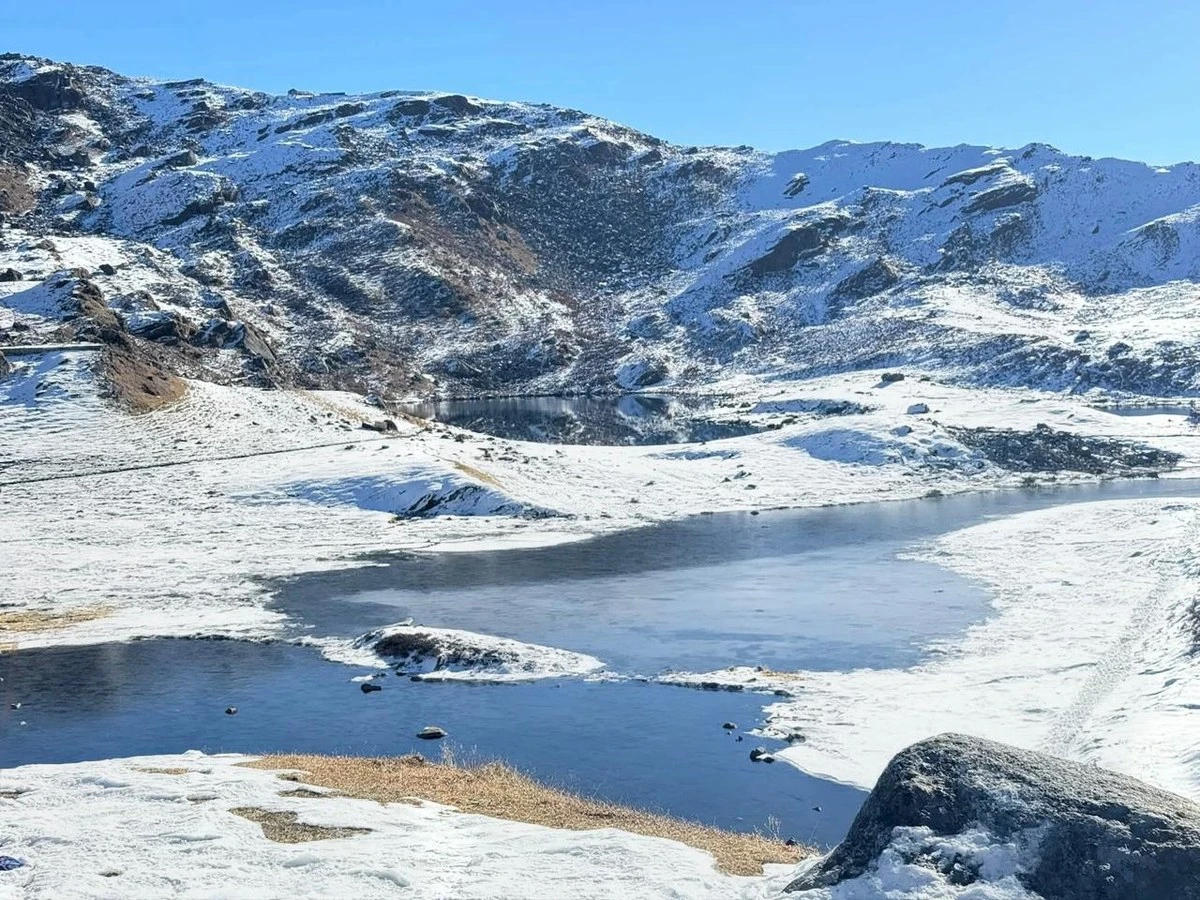
Winter (December to February) brings snow above 3,500 m, which can make the approach to the lake basin difficult or impassable without crampons. The lower trail sections from Tuppi Danda downward remain accessible in winter. Conditions at the lake basin and viewpoint should be assessed on current reports.
Panch Pokhari Trek Difficulty Level
This is a moderate trek. No technical climbing or mountaineering experience is required. The route follows established trails throughout.
Day 2 is the most demanding day: six to seven hours of ascent from 2,400 m to either 3,700 m or 4,100 m, depending on acclimatisation. The trail gains significant elevation continuously with limited flat sections.
Day 3 requires an early pre-dawn start for the climb to the 4,300 m viewpoint, followed by a full descent back to Tuppi Danda. Total walking time is six to eight hours, and the longer end applies if the group spent Day 2 night at Noshyampati rather than at the lakes.
Good general fitness and comfort on uphill trail are expected. Trekkers should be able to walk five to seven hours per day on uneven terrain over consecutive days. The itinerary is designed with acclimatisation in mind, with an optional overnight at Noshyampati (3,700 m) before the lake basin to keep altitude risk as low as possible.
What to Pack for Panch Pokhari Trek
The following personal gear is not included in the trip price and should be brought from home or purchased in Kathmandu before the trek:
- Waterproof trekking boots (broken in before the trek)
- Trekking poles (useful on the Day 3 descent)
- Warm down jacket (essential above 3,500 m)
- Sleeping bag rated to -10 degrees C
- Warm gloves and thermal liner gloves
- Thermal base layers (top and bottom)
- Sun hat and warm hat
- Sunscreen SPF 50+
- UV-protection sunglasses
- Headlamp with spare batteries (required for the pre-dawn start on Day 3)
- Personal first-aid kit including altitude medication (consult your doctor regarding acetazolamide and any personal prescriptions)
- Reusable water bottle with filter or purification tablets
- Light daypack for summit day carry (larger pack handled by porter if hired)