


Practical training advice for Nepal trekkers. Learn what fitness you need to handle altitude, long days, and steep trails before you land. This guide covers 8-week and 12-week training plans, five key training pillars, and trek-specific preparation for routes like Manaslu Circuit and Annapurna Base Camp.
How to Train for a Nepal Trek: A Realistic Fitness Guide

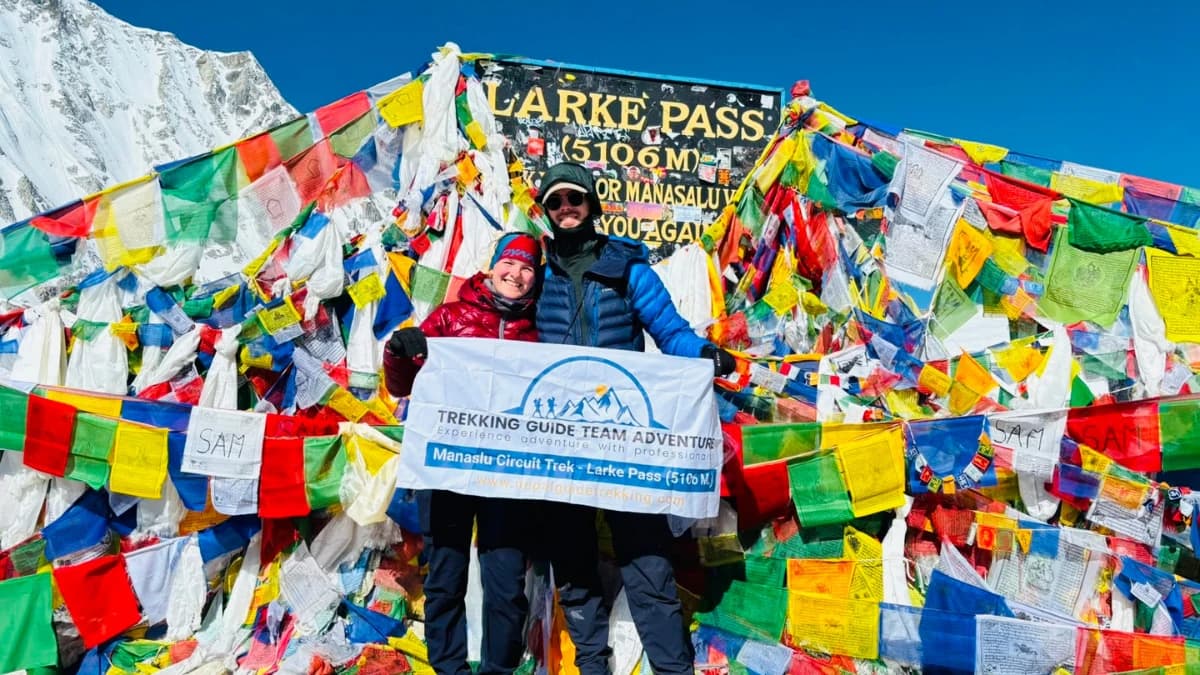
Most people underestimate this. They book a trek to Nepal, set aside two months for preparation, and then spend most of that time researching gear. The physical training gets two or three runs a week. By day three on the trail, they are struggling.
This guide is not about getting you to peak athletic condition. It is about making sure your body can handle 6 to 8 hours of walking per day, on uneven terrain, with elevation gain, for 9 to 16 consecutive days. That is a specific kind of fitness, and it requires a specific kind of training.
What the Trail Actually Demands
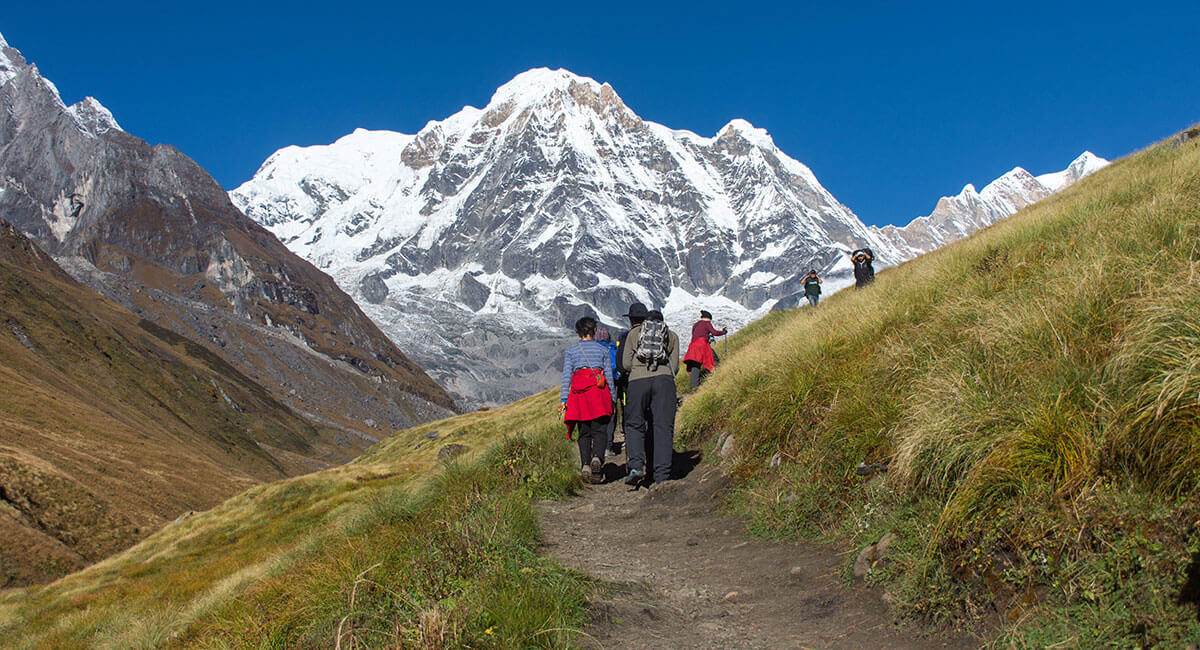
Nepal trekking is not mountain climbing. You are walking on established trails, almost always at a sustainable pace. But the cumulative load is significant:
- Daily elevation gains of 500 to 1,200 meters, depending on the route
- 6 to 9 hours of active walking per day
- Altitudes between 2,500m and 5,500m above sea level
- 10 to 16 consecutive trekking days with no full rest days on some itineraries
- A 7 to 12 kg backpack for most tea house treks
The challenge is not any single day. It is the accumulation over 10 to 15 days, at altitude, where your cardiovascular system is already working harder than usual. Training for this means building endurance, not just strength.
How Many Weeks Do You Need to Train?
The honest answer depends on where you are starting from. Use the guides below as a baseline, but add extra time if you have not been consistently active.
8-Week Plan: Beginner to Moderate Treks
Suitable for: Annapurna Base Camp 10 Days, Ghorepani Poon Hill, Langtang Valley
Weeks 1 to 2: Build a walking base. Walk 45 to 60 minutes daily on moderate terrain. Add one longer weekend hike (2 to 3 hours). Focus on consistent output, not intensity.
Weeks 3 to 4: Introduce elevation. Find stairs, a hill, or use a treadmill on incline. Start carrying a light pack (4 to 5 kg) on weekend hikes. Extend to 3 to 4 hours.
Weeks 5 to 6: Increase pack weight to 7 to 9 kg. Weekend hikes should now be 4 to 5 hours on varied terrain. Add one midweek hike of 2 hours.
Weeks 7 to 8: Simulate trail conditions. Back-to-back hiking days on weekends (2 to 3 hours each day). Maintain pace without stopping excessively. This trains muscle recovery.
12-Week Plan: Demanding Treks
Suitable for: Manaslu Circuit Trek 12 Days, Everest Base Camp Trek 15 Days, Annapurna Circuit 16 Days
Follow the 8-week structure above, then add 4 more weeks:
Weeks 9 to 10: Long hiking days of 6 to 7 hours with a 10 kg pack. One full back-to-back weekend where you hike both days for 5 or more hours.
Weeks 11 to 12: Taper. Reduce intensity but keep frequency. Two 3-hour hikes per week, pack at 7 kg. Give your legs time to recover before travel.
The Five Training Pillars
1. Cardiovascular Base
This is the foundation. You need a strong aerobic engine. Walking, cycling, swimming, and zone 2 running all work. Aim for 45 to 60 minutes of steady-state cardio four or five days per week. Intensity should be moderate: you should be able to hold a conversation but not sing a song.
2. Leg Strength and Endurance
Squats, lunges, step-ups, and single-leg exercises all directly transfer to the trail. Downhill sections are particularly hard on knees. Eccentric exercises (slow controlled descents on step-ups) will help prevent knee pain, which is the most common complaint on Annapurna and Everest region trails.
3. Backpack Training
Do not train without a pack and then carry 10 kg on day one. Gradually load your pack over the training period. By week 5, you should be hiking with the same pack weight you will carry on the trek. Your shoulders, hips, and posture need time to adjust.
4. Altitude Awareness
You cannot fully train for altitude at sea level. What you can do is ensure your cardiovascular fitness is high enough that your body has the reserves to adapt. Some trekkers take diamox as a precaution. On most itineraries with Trekking Guide Team Adventure, acclimatization days are built into the schedule. The single most important altitude rule: if symptoms worsen, descend. No summit is worth your health.
5. Mental Preparation
Day 7 on a long trek is often the hardest, psychologically. You are past the excitement of the start but nowhere near the end. Train your mental endurance the same way you train your legs: long days, some discomfort, learning to keep going when you feel like stopping.

Trek-Specific Considerations
Training for Manaslu Circuit
The Manaslu Circuit Trek (12 Days) crosses Larkya La Pass at 5,106m, which is the highest point on any circuit trek in Nepal. Days around the pass involve 10 to 12 hours of walking. This trek demands the full 12-week preparation plan and significant emphasis on back-to-back long days. It is not suitable for first-time trekkers.
Training for Annapurna Base Camp
The Annapurna Base Camp Trek (10 Days) reaches 4,130m. The approach through the Modi Khola gorge involves steep, relentless ascent, particularly on the Bamboo to Deurali section. Good knees and solid cardiovascular fitness matter more here than raw strength. The 8-week plan is sufficient for most reasonably fit adults.
What Most People Get Wrong
- Training only on flat terrain. Trekking is almost entirely incline and decline.
- Skipping the back-to-back weekend days. Single long hikes do not replicate the cumulative fatigue of consecutive days.
- Leaving pack training until the trip. Your hips and shoulders need weeks to adapt.
- Overestimating how much yoga or gym work translates. Both help, but they do not substitute for time on your feet with a loaded pack.
- Ignoring recovery. Sleep and nutrition during training determine how much adaptation actually sticks.
Frequently Asked Questions
Do I need to be a runner to trek in Nepal?
No. Walking fitness matters far more than running fitness. Many experienced trekkers never run. What matters is sustained aerobic output over long periods, not speed.
Is trekking poles worth it?
Yes, especially on steep descents. They reduce knee load by 20 to 30 percent on downhill sections and significantly reduce fatigue on long days. Train with them if you plan to use them.
Can I trek Nepal if I have never hiked before?
On beginner-appropriate routes like Ghorepani Poon Hill, yes, with adequate preparation. On demanding routes like Manaslu or EBC, no. Your experience on multi-day hikes before Nepal matters both for safety and enjoyment.
How do I know if I am fit enough?
If you can complete a 5 to 6 hour hike with a 8 to 10 kg pack, on varied terrain with elevation gain, without feeling destroyed afterward, you are on the right track. Do this multiple weekends in a row before your trip.
Need Help? Call Us on WhatsApp+977 9851229400orChat with us
Latest Travel Guides
Oct 07, 2026By Kabiraj
Annapurna Base Camp Trek: Complete Guide for 2026/27
Read the article
Sep 30, 2026By Kabiraj
Everest Base Camp Trek Itinerary: Day-by-Day Guide for 2026/27
Read the articleNeed Help? Call Us.+977 9851229400