Mardi Himal, Khopra Danda & Poon Hill Trek - 11 Days

Trip Photos
Customize Trip
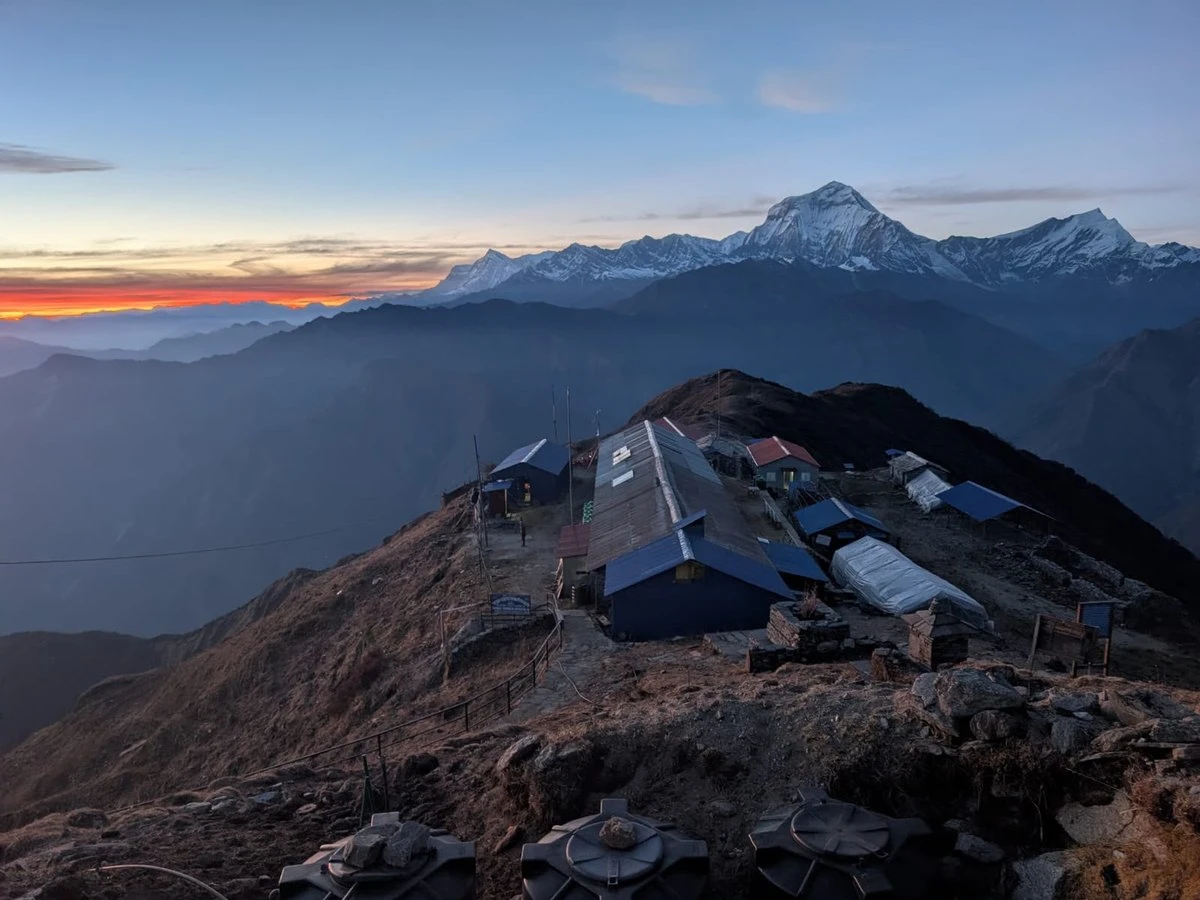
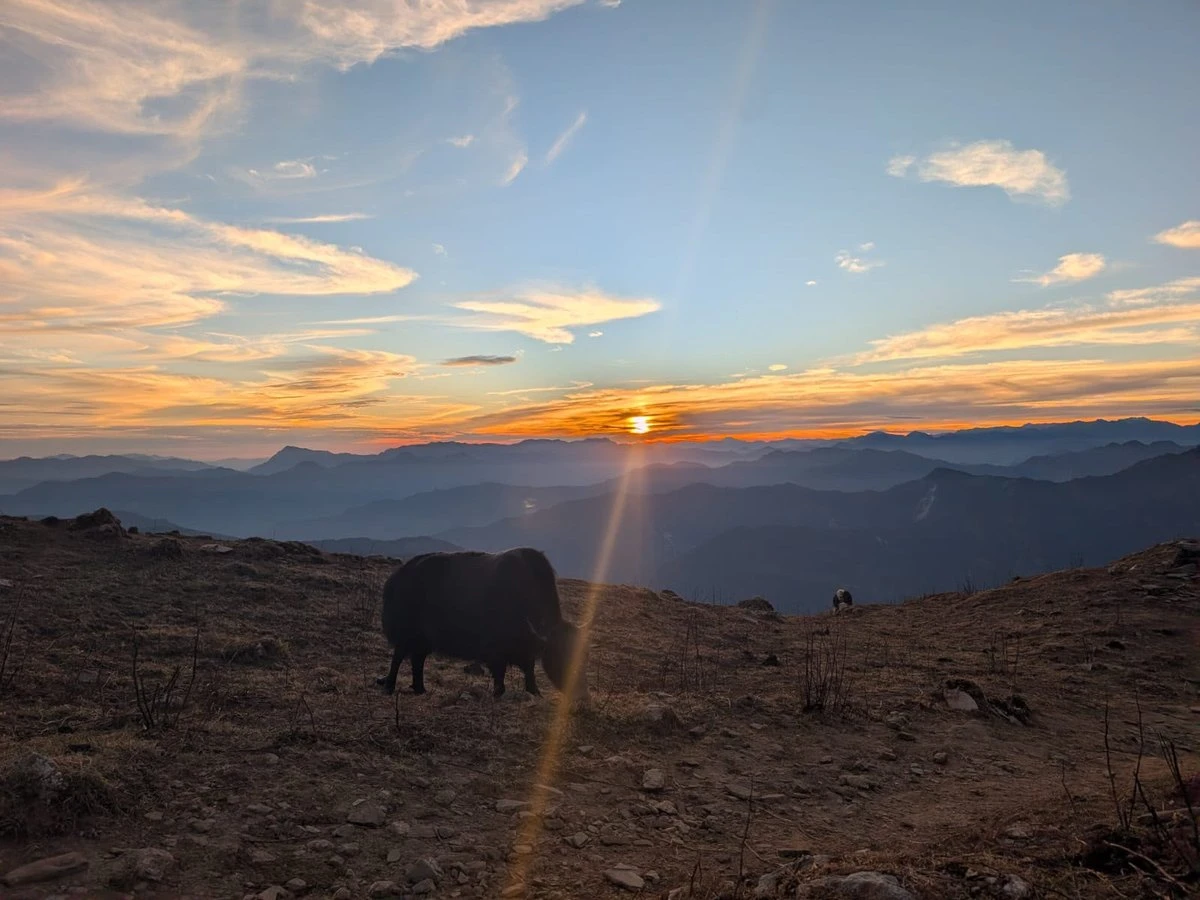
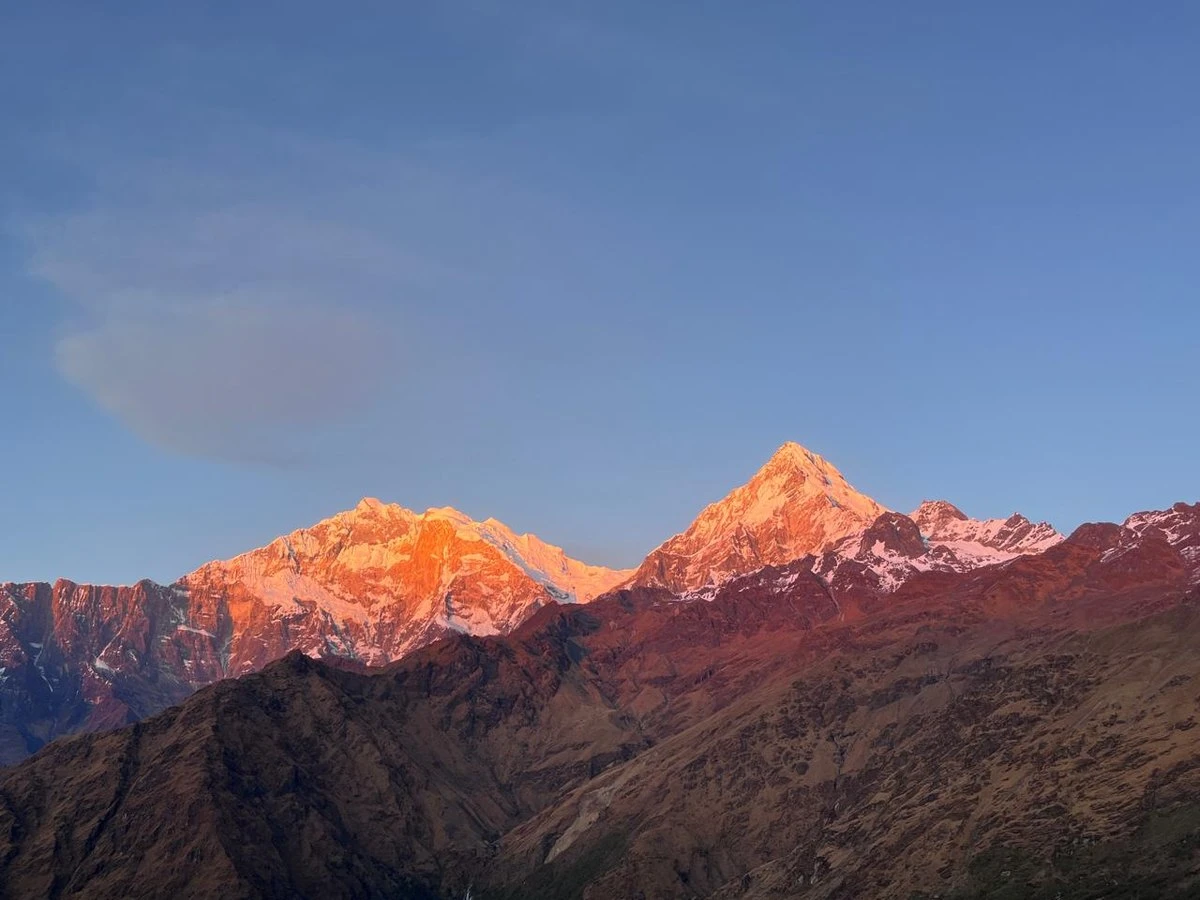
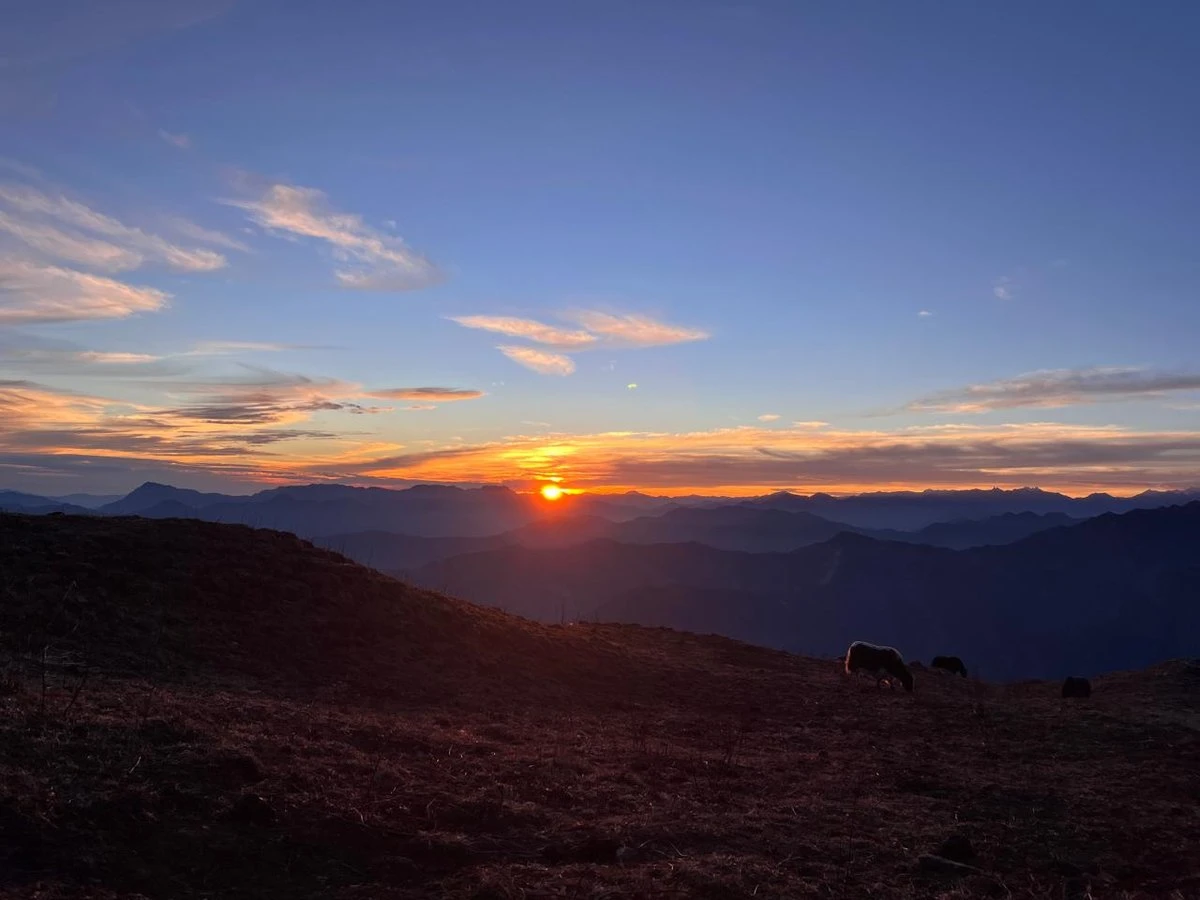
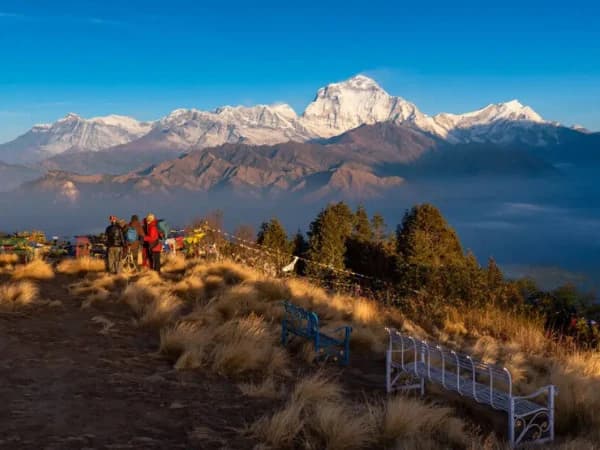
Sunset over Khopra Danda lodge with Dhaulagiri range in the background
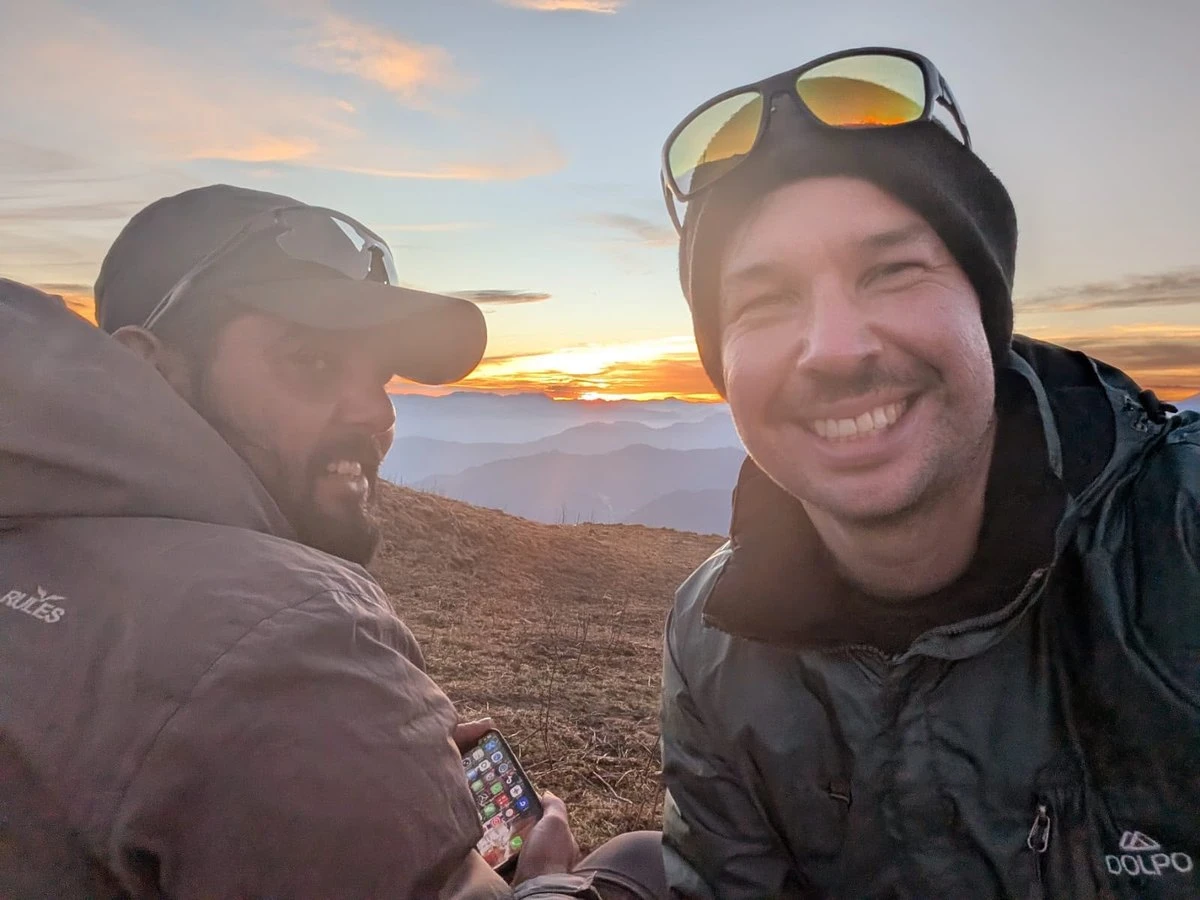
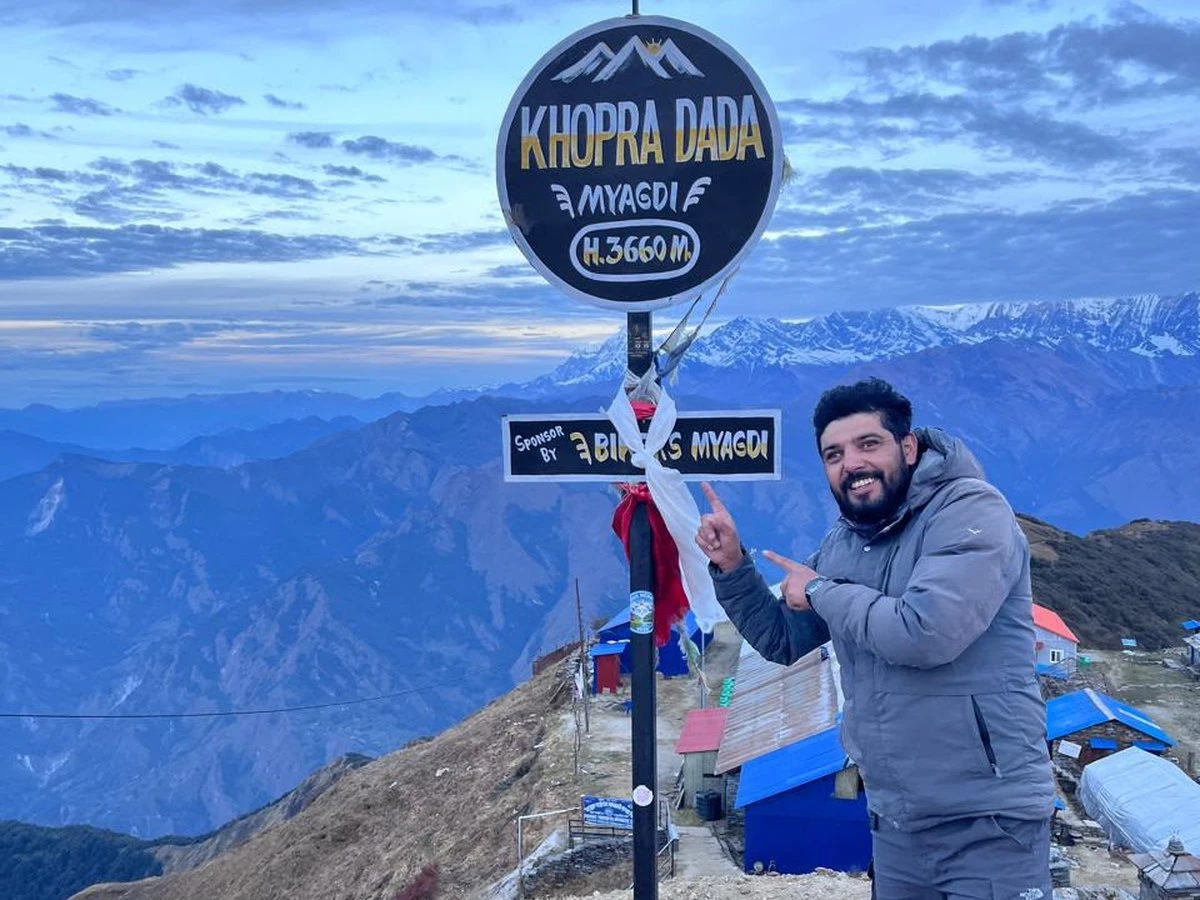
Trekker and guide smiling at sunset on the Khopra Danda ridge
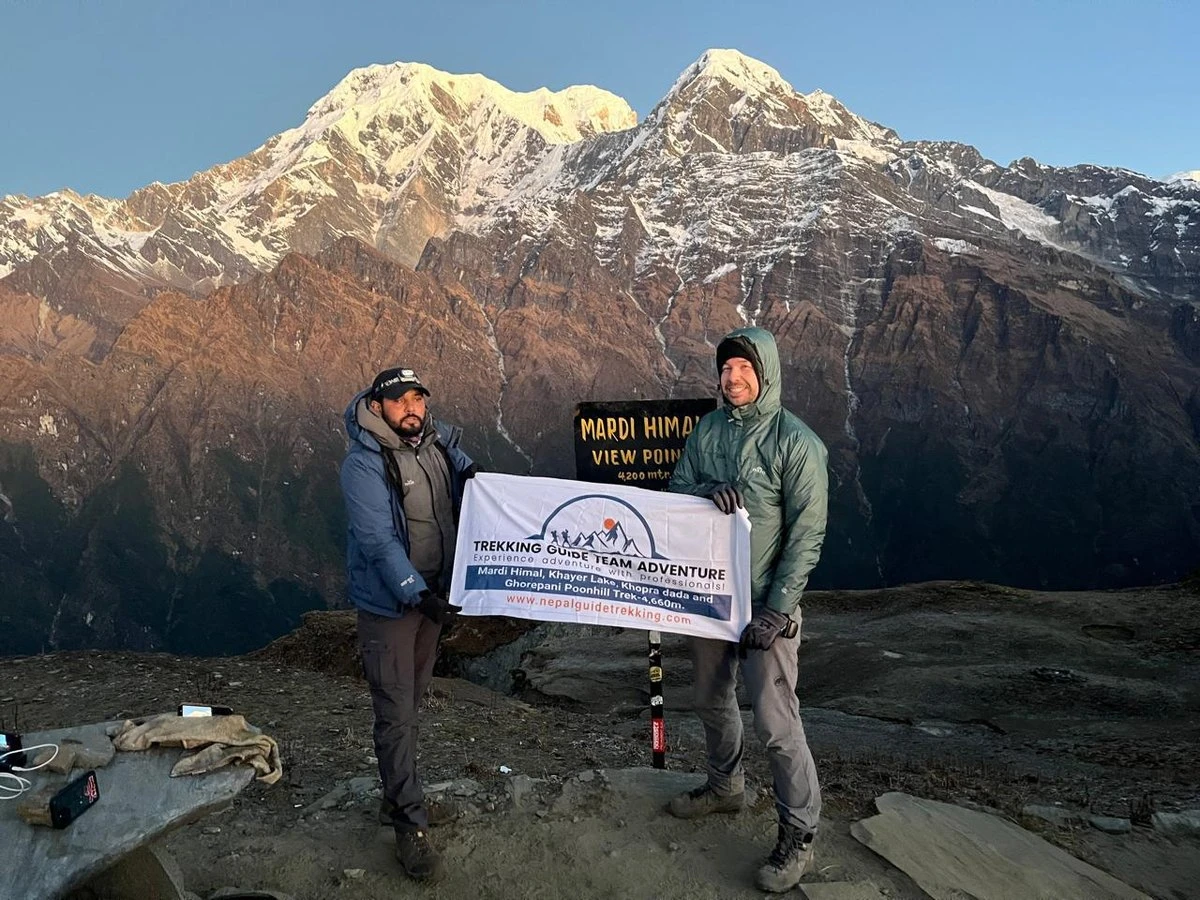
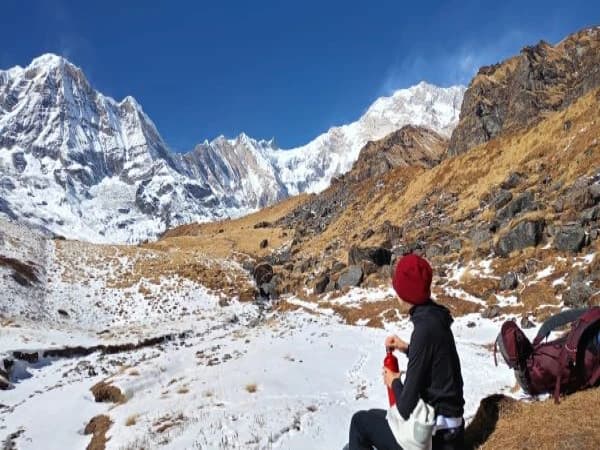
Trekkers holding a flag at the Mardi Himal View Point with Annapurna South at sunrise
At a Glance
Duration11 Days
CountryNepal
Trip GradeModerate
i
Maximum Altitude4,660 m (Khayar Lake)
Group Size1-20 people
StartsPokhara
EndsPokhara
Travel StyleTrekking (Teahouse and community lodge)
MealBreakfast, Lunch & Dinner (Day 1: Lunch, Dinner; Day 11: Breakfast, Lunch)
AccomodationTeahouse and community lodges
Best TimeOctober-November and March-May

This 11-day trek combines the Mardi Himal base camp trail, Khopra Danda ridge and Poon Hill into one continuous route through the Annapurna Conservation Area, starting and ending in Pokhara. It is designed for trekkers who want a quieter, more varied alternative to the classic Annapurna Base Camp trail: one that reaches two high points above 4,500 m, passes through traditional Gurung villages, and finishes with the Poon Hill sunrise.

The route covers Mardi Himal Base Camp at 4,500 m, the sacred Khayar Lake at 4,660 m, and Khopra Danda ridge at 3,660 m in a single loop. No two days follow the same terrain: rhododendron forest, open ridge, alpine meadow, terraced farmland, and stone-stepped village trails all feature across the eleven days.

If you have done or are considering the standard Annapurna Circuit or ABC trek and want something with fewer crowds and a longer high-altitude experience, this route is worth serious consideration.

Trek Highlights

  • Close-up views of Machhapuchhre from Mardi Himal Base Camp ridge
  • Khayar Lake at 4,660 m - the highest point on this route
  • Panoramic views from Khopra Danda ridge
  • Ghandruk village on Day 5
  • Poon Hill sunrise on Day 11
  • Off the main ABC trail throughout
Itinerary
Tour PlanExpand All

We start early in the morning with a drive from Pokhara to Kande by private vehicle, where the trek officially begins. From Kande, we climb gradually through Australian Camp and Deurali before entering the dense rhododendron and oak forests of the lower Mardi Himal region. The trail is well-shaded and relatively gentle on the first day, a good opportunity to settle into the rhythm of the trek. By afternoon, we reach Forest Camp at the edge of the treeline, where the first views of the Annapurna range appear in the distance.

Max Altitude: 2,550 mMeals: Lunch, DinnerAccommodation: Teahouse lodgeDuration: 5-6 hoursDistance: 10-12 km

We leave Forest Camp after breakfast and climb steadily through dense forest before breaking out onto the open ridgeline above Low Camp. As we gain elevation, the views of Machhapuchhre and the Annapurna range become increasingly prominent. We pass through Low Camp with time for a rest and lunch, then continue the ascent to High Camp at 3,580 m. The accommodation here sits exposed on the ridge with open mountain views in clear conditions. Warm clothes are essential from this point; evenings and mornings at High Camp are cold.

Max Altitude: 3,580 mMeals: Breakfast, Lunch, DinnerAccommodation: Teahouse lodgeDuration: 5-6 hoursDistance: 8-10 km

This is the longest and most demanding day on the Mardi Himal portion of the trek. We start before sunrise from High Camp and follow the high exposed ridge north toward Mardi Himal Base Camp at 4,500 m. The trail stays on the ridge the entire way, with close-up views of Machhapuchhre directly ahead and the Annapurna range stretching to the west. We reach base camp in the late morning, spend time taking in the surroundings, then begin the descent back along the ridge. We sleep at Low Camp tonight; climbing high and sleeping lower is a deliberate acclimatisation strategy that prepares the body for the Khayar Lake day later in the trip.

Max Altitude: 4,500 mMeals: Breakfast, Lunch, DinnerAccommodation: Teahouse lodge (Low Camp)Duration: 7-9 hoursDistance: 10-14 km

After two nights above 3,000 m, we descend steadily through forest and traditional mountain settlements toward Landruk, a picturesque Gurung village surrounded by terraced fields. The trail drops well below the ridge, and the change in altitude is noticeable: warmer air, more sheltered paths, and the sounds of the valley returning. We arrive in Landruk by early afternoon, which gives time to rest legs before the next section.

Max Altitude: 3,050 m (starting elevation)Meals: Breakfast, Lunch, DinnerAccommodation: Teahouse lodgeDuration: 4-6 hoursDistance: 8-10 km

We leave Landruk and make our way to Ghandruk, one of the largest and most well-preserved Gurung villages in the Annapurna region. We spend time walking through its stone-paved main lane, passing traditional houses and the Gurung Heritage Museum, with direct views of Annapurna South and Hiunchuli above the village. After lunch in Ghandruk, we climb through rhododendron and oak forest toward Tadapani, arriving in the late afternoon.

Max Altitude: 2,630 mMeals: Breakfast, Lunch, DinnerAccommodation: Teahouse lodgeDuration: 5-7 hoursDistance: 9-12 km

Today marks the transition from the Mardi Himal section to the Khopra Danda trail. We move through dense rhododendron forest in the morning, cross open ridgeline sections, and pass through grazing areas used by local herders as we approach the less-visited terrain of the Khopra Danda approach. The trail through Dobato toward Bayeli Kharka sees far fewer trekkers than the earlier part of the route. On the open ridge sections, the first views of the Dhaulagiri range appear to the west.

Max Altitude: 3,450 mMeals: Breakfast, Lunch, DinnerAccommodation: Community lodgeDuration: 5-7 hoursDistance: 8-10 km

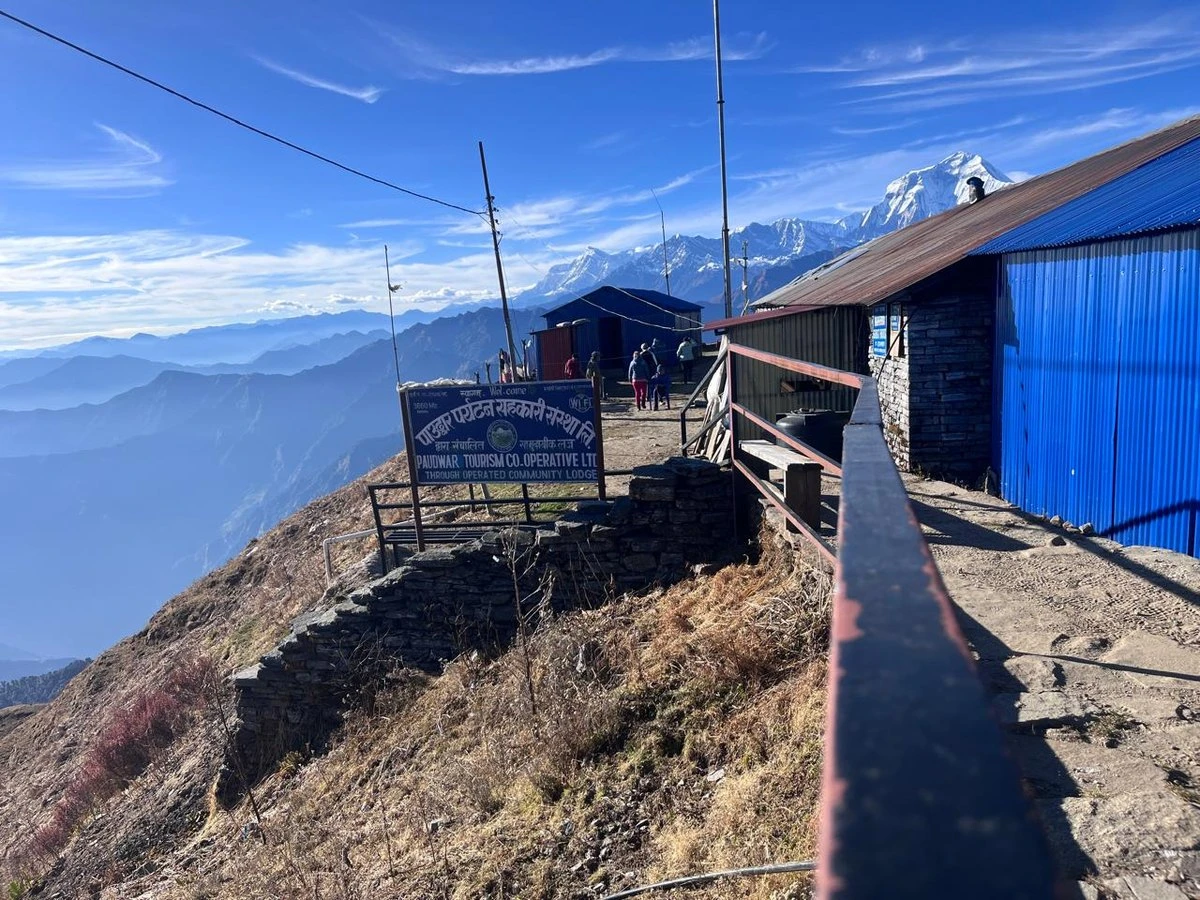
A shorter day today, but with significant elevation gain as we move through alpine meadows and open highland terrain to reach the Khopra Danda ridge. We arrive at the community lodge in the early afternoon, which gives time to rest and acclimatise before the demanding Khayar Lake day ahead. Khopra Danda at 3,660 m offers one of the best viewpoints in the Annapurna region for Dhaulagiri. We use the afternoon to take in the panorama and prepare for an early start the next morning.

Max Altitude: 3,660 mMeals: Breakfast, Lunch, DinnerAccommodation: Khopra community lodgeDuration: 4-6 hoursDistance: 5-8 km

We start at 6 AM for the round trip to Khayar Lake at 4,660 m, the hardest and most rewarding day of the entire trek. The trail ascends steeply from Khopra Danda through rocky terrain and open ground above 4,000 m. Khayar Lake is a sacred glacial lake held in high regard by local communities, and on a clear day the views of the surrounding Himalayan peaks are extensive. We retrace our steps back to Khopra Danda in the afternoon, arriving tired but with the highest point of the trip completed. This day demands good physical fitness and solid acclimatisation; the two nights spent at 3,660 m have prepared the body for the altitude push.

Max Altitude: 4,660 mMeals: Breakfast, Lunch, DinnerAccommodation: Khopra community lodgeDuration: 8-10 hoursDistance: 17-18 km round trip

We begin our descent from Khopra Danda after breakfast, moving through forest, grazing areas, and traditional mountain landscape toward the quiet settlement of Swanta. The terrain shifts noticeably as we lose elevation: from open alpine ground to enclosed forest and then to terraced farmland near Swanta. The village is small and relaxed, a noticeable change in pace from the high-altitude days behind us.

Max Altitude: 3,660 m (starting altitude)Meals: Breakfast, Lunch, DinnerAccommodation: Teahouse lodgeDuration: 5-6 hoursDistance: 9-11 km

A steady ascent today through traditional villages, terraced farmland, and forest trails brings us to Ghorepani, the staging post for tomorrow's Poon Hill sunrise. We arrive in the early afternoon, which gives plenty of time to rest legs and prepare for a very early start the following morning. An early night is recommended.

Max Altitude: 2,860 mMeals: Breakfast, Lunch, DinnerAccommodation: Teahouse lodgeDuration: 4-5 hoursDistance: 7-9 km

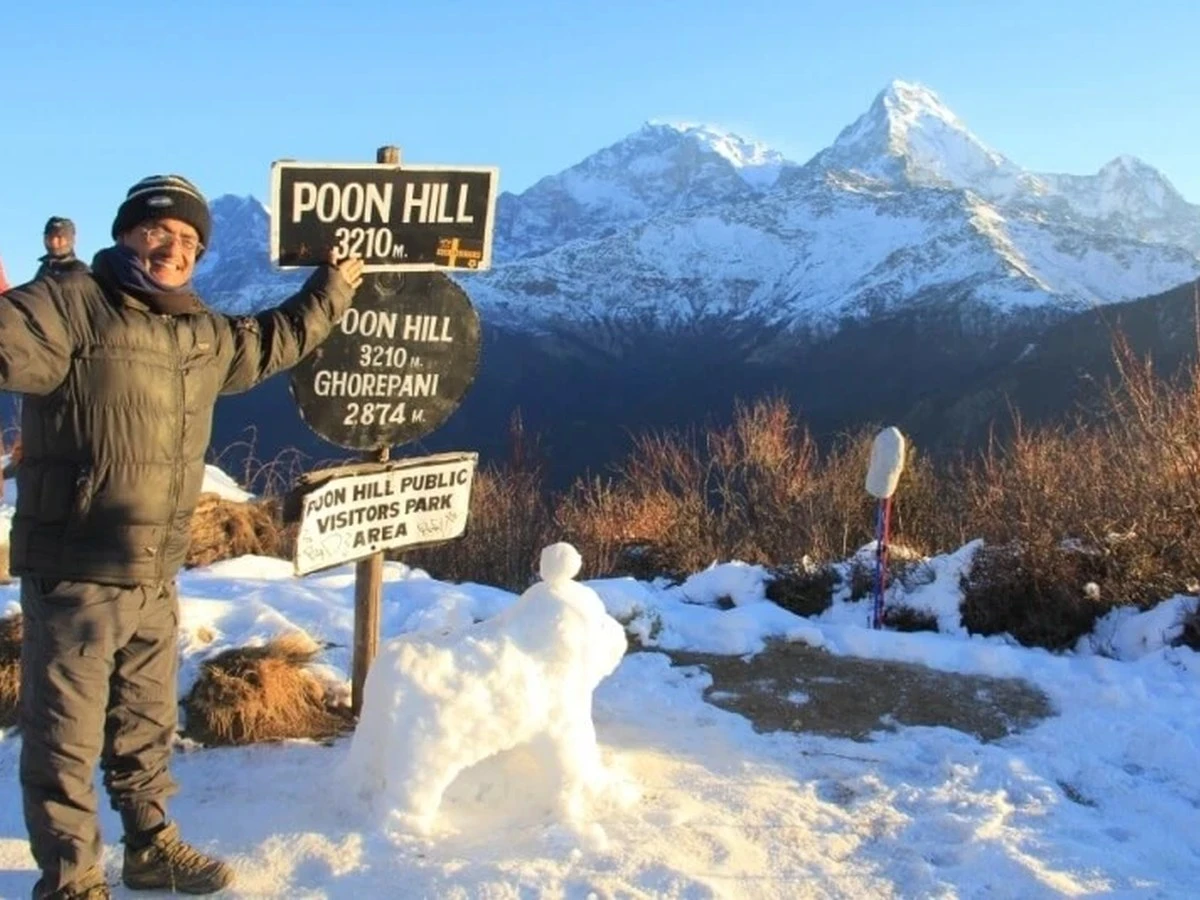
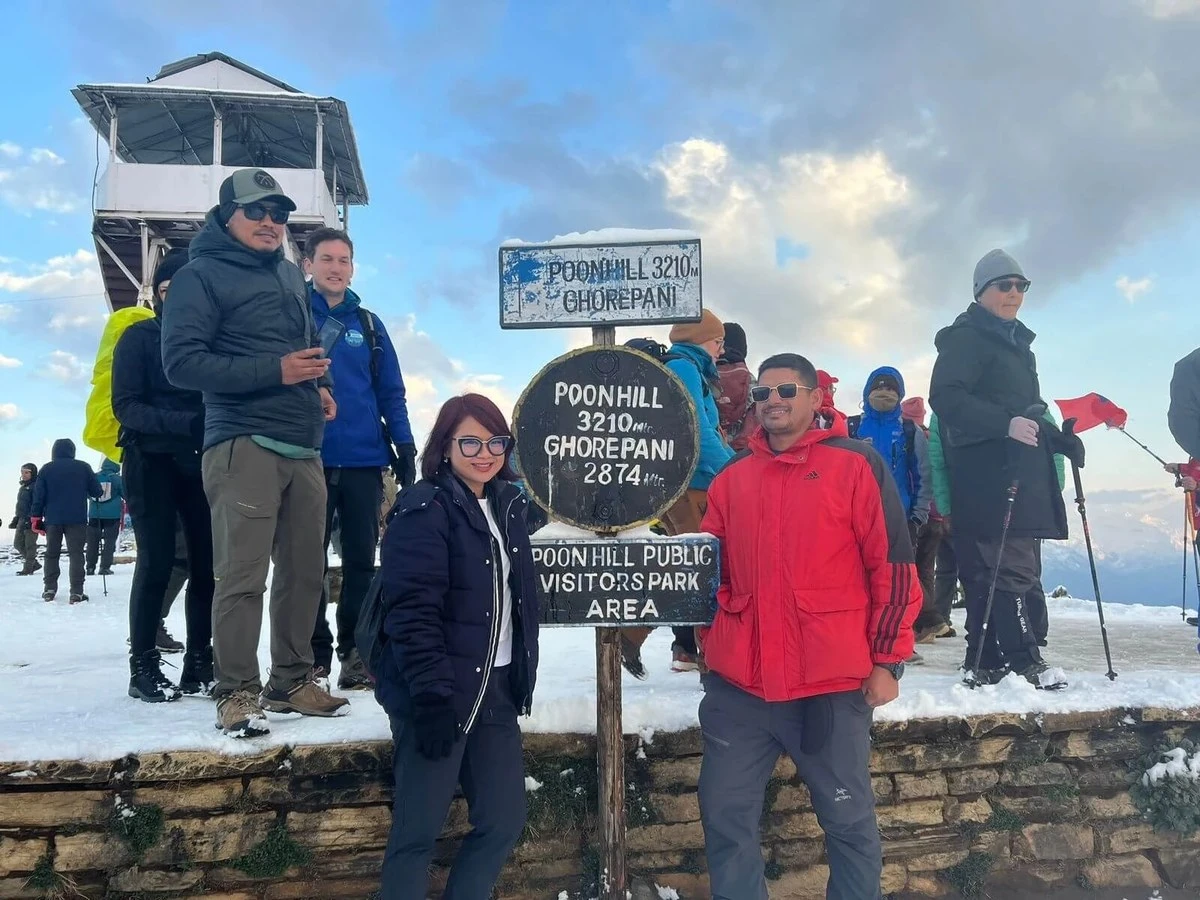
We rise before dawn for the 45-minute hike to Poon Hill at 3,210 m, reaching the viewpoint just as sunrise lights up the Annapurna and Dhaulagiri ranges. After returning to Ghorepani for breakfast, we begin the long descent through rhododendron forest, down the famous stone staircases at Ulleri, and along the riverside trail to Birethanti, where our private vehicle is waiting. The drive back to Pokhara takes 1.5 to 2.5 hours depending on traffic.

Max Altitude: 3,210 m (Poon Hill)Meals: Breakfast, LunchAccommodation: Not applicable (tour ends in Pokhara)Duration: 6-8 hours trekking + 1.5-2.5 hours driveDistance: 15-18 km
Cost Details
Included
  • Your meals: Breakfast, lunch and dinner (main course) during the trek as per the itinerary (Day 1: lunch and dinner; Days 2-10: breakfast, lunch and dinner; Day 11: breakfast and lunch).
  • Accommodation during the trek: Teahouse and community lodge accommodation throughout the trek (twin sharing, shared toilets; dorm sharing may apply during peak season).
  • Transportation: Private vehicle from Pokhara to Kande at the start of the trek and from Birethanti to Pokhara at the end.
  • Guide: One experienced English-speaking trekking guide for the full trek, including for solo travellers.
  • Permits: Annapurna Conservation Area Permit (ACAP).
  • Insurance: Insurance for the trekking guide.
  • Service charge: Our service charge and applicable government taxes on our services.
Excluded
  • Airport transfers: International and domestic airport pick-up and drop-off.
  • Transportation to Pokhara: Transport from Kathmandu to Pokhara and back to Kathmandu.
  • Kathmandu and Pokhara accommodation: Hotel nights before and after the trek.
  • Meals in Kathmandu and Pokhara: All meals outside the trek itinerary.
  • Porter service: Not included in the base price. A porter can be arranged on request at an additional cost.
  • Nepal visa fees
  • Personal equipment: Sleeping bag, down jacket, gloves, trekking boots, trekking poles, sunglasses, sunscreen and other items listed under What to Pack. These can be rented or bought in Pokhara.
  • Personal medicines: Including altitude medication and medicine for stomach problems, headache and diarrhoea.
  • Travel insurance: Personal travel and medical insurance covering trekking up to 4,700 m, including emergency evacuation and repatriation.
  • Tips: Tips for the guide and porter (at your discretion).
  • Drinks: All alcoholic and non-alcoholic drinks, including tea, coffee, bottled water and boiled water. We recommend carrying a reusable bottle and water purification tablets or a filter.
  • Extra food: Desserts, chocolates, energy bars, extra soups and any additional meals or drinks not mentioned in the itinerary.
  • Hot shower and laundry: During the trek.
  • Internet and power: Wi-Fi, phone calls and battery charging during the trek.
  • International airfare
  • Unforeseen costs: Extra costs caused by events outside our control, such as landslides, flight or road delays, weather, route changes or early return from the trek.
Additional Info

Permits Required

Permit Issued By Foreign Nationals SAARC Nationals Children Under 10
Annapurna Conservation Area Permit (ACAP) NTNC NPR 3,000 (USD 22) NPR 1,000 Free

Trekkers must carry their permit at all times. There are checkpoints at multiple points along the Mardi Himal and Khopra Danda trails where permits are inspected. The ACAP fee is included in the trip price.

Best Time to Trek

Autumn (October to November) is the most popular window: skies are typically clear after the monsoon, trails are dry, and visibility to the high peaks is at its best.

Spring (March to May) is the second-best season. The rhododendron forests between Forest Camp and Tadapani bloom through March and April, with red and pink flowering trees lining the trail for several days. Temperatures are mild at lower elevations, though late April can bring afternoon cloud build-up at altitude.

Monsoon (June to August) is technically possible but not recommended. Persistent cloud cover limits mountain views and the trails above 3,000 m can be slippery.

Winter (December to February) sees snow above 3,000 m, which can make the Khayar Lake section difficult or impassable without crampons. Experienced trekkers with appropriate cold-weather gear can complete the lower sections in winter, but the Khayar Lake day-hike should be assessed on current conditions.

Difficulty Level

This is a moderate to challenging trek. No technical climbing skills are needed. The route follows established trails throughout.

Day 3 (High Camp to Mardi Himal Base Camp and back to Low Camp) is the most taxing day on the Mardi Himal section: 7-9 hours on an exposed ridge, gaining altitude to 4,500 m.

Day 8 (the round trip to Khayar Lake) is the hardest day on the full itinerary: 8-10 hours, 17-18 km, reaching 4,660 m on steep terrain with an early 6 AM start required.

Regular hiking experience and good cardiovascular fitness are expected. Trekkers should be comfortable walking 5-9 hours on consecutive days at altitude. The itinerary builds acclimatisation naturally across 11 days, which reduces altitude risk compared to faster ascent schedules.

What to Pack

The following personal gear is not included in the trip price and should be brought from home or rented in Pokhara before the trek:

  • Waterproof trekking boots (broken in before the trek)
  • Trekking poles (especially useful on the Poon Hill descent on Day 11)
  • Warm down jacket (essential above 3,500 m, particularly evenings at High Camp and Khopra Danda)
  • Sleeping bag rated to -10 degrees C
  • Warm gloves
  • Thermal base layers (top and bottom)
  • Sun hat and warm hat
  • Sunscreen SPF 50+
  • UV-protection sunglasses
  • Personal first-aid kit including altitude medication (consult your doctor before the trek regarding acetazolamide and any personal prescriptions)
  • Headlamp with spare batteries (essential for the early 6 AM start on Day 8 and the pre-dawn Poon Hill hike on Day 11)
  • Reusable water bottle or water filter

Food on the Trek

Meals on this trek are served at the teahouses and community lodges where we stay, so you will eat freshly cooked food each day rather than packed rations. The itinerary includes breakfast, lunch and dinner on Days 2 to 10. Day 1 includes lunch and dinner, and Day 11 includes breakfast and lunch before the drive back to Pokhara.

Breakfast is usually eggs (boiled, fried or omelette), porridge, muesli, Tibetan bread, chapati or toast with jam and honey, served with tea or coffee.

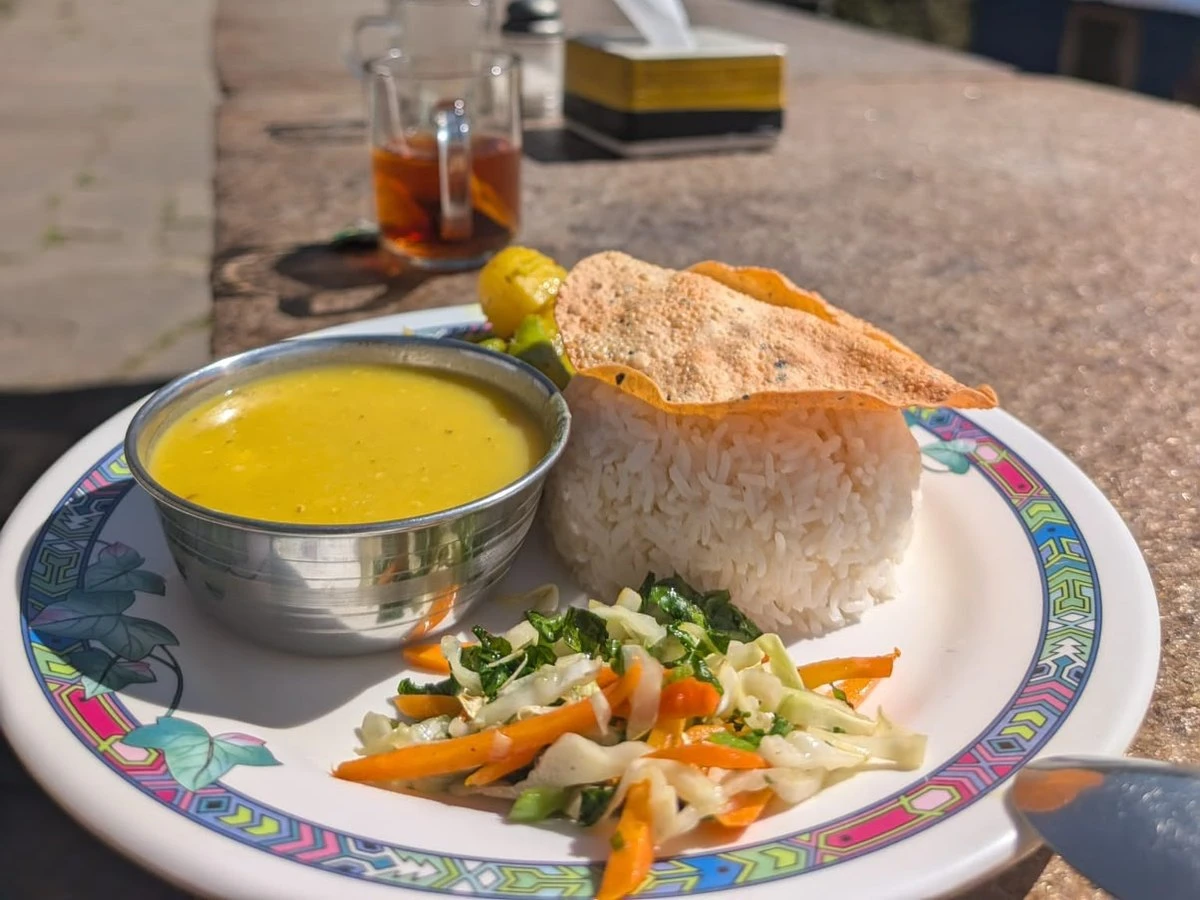
Lunch and dinner follow the standard teahouse menu. Dal bhat (steamed rice with lentil soup, vegetable curry and pickle) is the most popular meal on the trail and is usually served with free refills, which makes it a good choice for energy on long days. Other options normally include noodle and vegetable soups, fried rice, fried or boiled noodles, momos (dumplings), pasta, potato dishes, pizza and spring rolls. Vegetarian meals are available everywhere. Meat is limited on the higher sections, so we recommend vegetarian dishes above Low Camp.

Dietary needs: vegetarian, vegan and gluten-free requests can usually be handled with advance notice, but choices become narrower at High Camp and Khopra Danda, where all supplies are carried in. Please tell us about any allergies or dietary requirements when you book so your guide can brief each lodge.

Drinks and extras: bottled water, soft drinks, hot chocolate, alcohol, desserts and snacks are bought by the trekker and are not part of the meal plan. Prices rise with altitude because everything is carried up on foot or by animal. We recommend carrying a reusable bottle and a water filter or purification tablets, and drinking 3 to 4 litres of boiled or treated water a day to help with acclimatisation. Hot boiled water is sold by the litre at the lodges. A small amount of cash in Nepali rupees is useful, as there are no ATMs on the route.

Accommodation on the Trek

All nights on the trek are spent in mountain teahouses or community lodges. These are simple, family-run or community-run guesthouses, and the standard becomes more basic the higher you go.

  • Night 1 - Forest Camp (2,550 m): teahouse lodge at the edge of the treeline.
  • Night 2 - High Camp (3,580 m): teahouse lodge on an exposed ridge. It is cold at night and in the early morning, so warm layers and your sleeping bag are essential.
  • Night 3 - Low Camp (3,050 m): teahouse lodge. Sleeping lower after the Mardi Himal Base Camp day is part of the acclimatisation plan.
  • Night 4 - Landruk: teahouse lodge in a Gurung village.
  • Night 5 - Tadapani: teahouse lodge.
  • Night 6 - Bayeli Kharka (3,450 m): community lodge.
  • Nights 7 and 8 - Khopra Danda (3,660 m): community lodge, with two nights here before and after the Khayar Lake day.
  • Night 9 - Swanta: teahouse lodge in a quiet village.
  • Night 10 - Ghorepani (2,860 m): teahouse lodge, ready for the Poon Hill sunrise.

Rooms are normally twin-share with two single beds, a mattress, a pillow and a blanket. Rooms are not heated, so a sleeping bag rated to -10 degrees C is important, particularly at High Camp and Khopra Danda. Bathrooms are usually shared and are basic, with squat or simple Western-style toilets. Hot showers, where available, are normally charged separately and may be limited at higher camps. Charging for phones and cameras and Wi-Fi, where offered, usually cost extra, and the supply is limited on the ridge, so bring a power bank. Mobile signal is patchy and often absent at Khopra Danda.

The dining room is the only heated, social space in most lodges, and it is where trekkers gather in the evening. During the busy autumn and spring seasons the lodges at the camps fill up, and the community lodges at Bayeli Kharka and Khopra Danda are small, so please tell us early if you have specific requirements. If you want a single room, tell us in advance. This is not always possible at the high camps, and it may carry an extra charge.

Consult-With-Trekking-Expert

FAQs

Prior trekking experience is recommended. You do not need to have completed a technical climb or high-altitude expedition, but you should be comfortable trekking 5-9 hours per day on mountain terrain over consecutive days. Day 3 and Day 8 are long, physically demanding days above 4,000 m. If you have completed a multi-day trek before and maintain regular aerobic fitness, you are likely prepared for this route.

No, porter service is not included in the base price. A porter can be arranged at an additional cost on request. The guide is included and will assist with navigation, logistics, and emergency support throughout the trek.

The maximum altitude is 4,660 m, reached at Khayar Lake on Day 8. The second-highest point is Mardi Himal Base Camp at 4,500 m on Day 3. Both days are separated by several days of trekking at mid-altitude (2,600-3,660 m), which provides natural acclimatisation.

You should be able to walk 5-9 hours per day on uneven terrain, including uphill and downhill sections, for multiple consecutive days. Day 8, the Khayar Lake round trip, is the benchmark: 17-18 km, 8-10 hours, with significant elevation gain above 4,000 m. We recommend trekkers with no recent trekking history build up with several day hikes of 4-6 hours in the weeks before departure.

Yes, you can book this trek as a solo trekker. A dedicated English-speaking guide is included in the price, so you will not be trekking alone on the trail. Contact us to check upcoming group bookings if you are interested in joining a small group departure.

Expert Consultation