Altitude sickness is the number one concern for first-time trekkers planning a trek in Nepal. That worry is completely understandable. You are about to travel to some of the highest terrain on earth, and the effects of altitude are real. But here is the reassuring truth: with the right preparation and a well-structured itinerary, the vast majority of trekkers complete Nepal's most popular routes without serious problems.
Understanding what altitude sickness is, how to recognize it early, and what to do about it puts you firmly in control. This guide covers everything you need to know before you lace up your boots.
What Is Altitude Sickness?
Altitude sickness is the body's response to reduced oxygen levels at elevation. As you climb higher, the air contains fewer oxygen molecules per breath. Your body needs time to adapt, a process called acclimatisation. When you ascend too fast and outpace that adaptation, symptoms appear.
There are three forms, ranging from mild to life-threatening:
- Acute Mountain Sickness (AMS): The most common form. Symptoms feel similar to a bad hangover, including headache, nausea, and fatigue. Most trekkers experience mild AMS at some point and recover quickly with rest.
- High Altitude Cerebral Oedema (HACE): A severe progression of AMS where fluid builds up around the brain. Symptoms include severe confusion, loss of coordination, and extreme fatigue. HACE is a medical emergency.
- High Altitude Pulmonary Oedema (HAPE): Fluid accumulates in the lungs, causing breathlessness at rest, a persistent cough, and a bluish tinge to the lips or fingertips. HAPE is the leading cause of altitude-related death and is also a medical emergency.
The good news: HACE and HAPE are rare when trekkers follow proper acclimatisation schedules. AMS, caught early, responds well to rest and descent.
At What Altitude Does It Start?
Most people begin to feel the effects of altitude somewhere above 2,500 metres (8,200 feet). Below this threshold, the human body handles reduced oxygen without much difficulty. Above it, the risk increases steadily as you climb.
No two people respond to altitude identically. Fitness level, age, and prior acclimatisation all play a role, but none of them guarantee immunity. Athletes get AMS. Sedentary trekkers sometimes have no trouble at all. The only reliable predictor is how fast you ascend.
Risk Zones on Common Nepal Treks
- Moderate risk (2,500 to 3,500m): Lower Everest Base Camp trail (Lukla to Namche Bazaar), lower Annapurna Circuit. AMS possible but manageable with rest days.
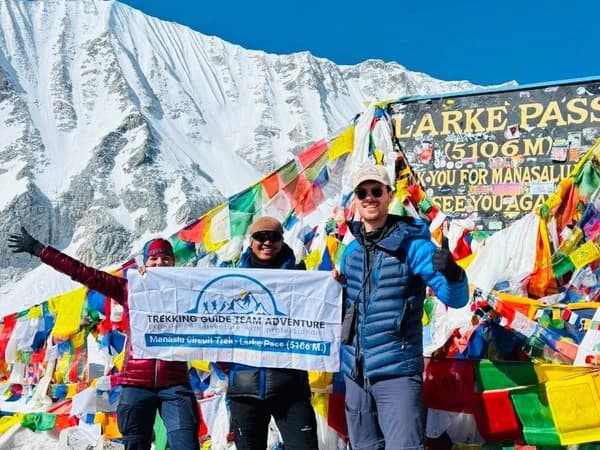
- High risk (3,500 to 5,000m): Namche Bazaar to Dingboche on the EBC route, Thorong La Pass on the Annapurna Circuit, and much of the Manaslu Circuit. Acclimatisation days are non-negotiable here.
- Very high risk (above 5,000m): Everest Base Camp sits at 5,364m. Kala Patthar at 5,545m. The final days of the EBC trek are spent in serious altitude. Pulse oximeter readings and guide oversight become critical.
Symptoms of Altitude Sickness
Mild AMS Symptoms
These typically appear within a few hours of reaching a new altitude and usually ease with rest:
- Headache (the most common early sign)
- Fatigue and general tiredness out of proportion to exertion
- Loss of appetite or nausea
- Dizziness or lightheadedness
- Difficulty sleeping
- Mild shortness of breath on exertion
Mild AMS is not a reason to panic, but it is a reason to stop ascending. Rest at the same altitude until symptoms resolve. Drink water, skip the alcohol, and let your body catch up.
Severe AMS, When to Take It Seriously
These symptoms indicate a dangerous progression. If any of them appear, descent must happen immediately:
- Severe, persistent headache that does not respond to ibuprofen or paracetamol
- Vomiting (not just nausea)
- Breathlessness at rest, not just on climbs
- A wet, persistent cough, or coughing up pink or frothy sputum
- Inability to walk in a straight line (ataxia), loss of coordination
- Confusion, disorientation, or altered mental state
- Extreme fatigue or drowsiness
These are not symptoms to sleep off. They are symptoms to descend from.
How to Prevent Altitude Sickness on a Nepal Trek
Ascend Slowly, The Golden Rule
The most effective prevention for altitude sickness has nothing to do with medication or supplements. It is pacing. The widely accepted guideline above 3,000 metres is to gain no more than 300 to 500 metres of sleeping altitude per day, with a rest day built in every third or fourth day.
This is why responsible Nepal trek itineraries include acclimatisation days at places like Namche Bazaar (3,440m) on the EBC route and Samagaon (3,530m) on the Manaslu Circuit. These are not wasted days. They are the days that protect the rest of your trek.
Hydration
Dehydration makes altitude sickness worse. The dry mountain air and increased breathing rate at altitude means you lose fluid faster than you do at sea level. Aim for at least three to four litres of water per day while trekking. Urine colour is a reliable guide: pale yellow means you are well hydrated.
Avoid Alcohol and Sedatives
Both alcohol and sleeping pills suppress your breathing while you sleep. At altitude, where every breath matters, this is genuinely dangerous. It is also why altitude sickness symptoms often feel worse in the morning. Save the celebration drinks for Kathmandu.
Should You Take Diamox?
Acetazolamide, sold under the brand name Diamox, is a prescription medication that speeds up acclimatisation by stimulating faster breathing. It is used by many trekkers, including guides and expedition members on high-altitude routes.
A few things to understand before you consider it:
- Consult a doctor before you travel. Diamox is not available over the counter in all countries, and a GP or travel medicine clinic should assess whether it is appropriate for you.
- It is not a substitute for acclimatisation. Diamox reduces symptoms but does not make altitude safe at any pace. A proper itinerary still matters.
- It has side effects. The most common are tingling in the hands, feet, and face, and increased urination. Both are normal. Some people also find carbonated drinks taste flat while taking it.
- People with sulfa drug allergies should not take it without specialist advice.
Diamox is a useful tool for some trekkers, particularly those with a history of AMS or those attempting faster ascents. It is not mandatory, and many trekkers complete the EBC route and Annapurna Circuit without it.
What to Do If You Get Altitude Sickness on the Trail
Mild Symptoms, What to Do
If you develop a headache and feel fatigued or slightly nauseous after gaining altitude, the response is straightforward:
- Stop. Do not climb higher that day.
- Rest at your current altitude.
- Drink water steadily throughout the day.
- Take ibuprofen or paracetamol for headache relief.
- Let your guide know how you are feeling. A good guide will monitor your oxygen saturation with a pulse oximeter.
- If symptoms resolve after 12 to 24 hours of rest, you can continue with caution.
- If symptoms persist or worsen even slightly, descend to the previous night's sleeping altitude.
Severe Symptoms, Immediate Descent
If anyone on your trek develops signs of HACE or HAPE, including the symptoms listed above under severe AMS, there is only one correct response: descend immediately. Not after breakfast. Not after one more night. Now.
Even a descent of 300 to 500 metres can dramatically reduce symptoms. Descent is the only treatment for HACE and HAPE that is reliably available on the trail. Supplemental oxygen, if carried, buys time but does not replace descent.
No pass crossing, no summit, and no trek completion target is worth the risk of HACE or HAPE. The mountain will be there. Your guide's job, and your job, is to recognise the moment when going down is the only sensible direction.
How Trekking Guide Team Adventure Handles Altitude Safety
A responsible trekking operator does not leave altitude safety to chance or to the trekker's own research. Here is what that responsibility looks like in practice, and how Trekking Guide Team Adventure approaches it.
Every itinerary includes proper acclimatisation days, not because they look good on paper, but because the schedule has been built around actual altitude gain profiles. The rest days at Namche on the EBC trek, or at Samagaon on the Manaslu Circuit, are non-negotiable parts of the route, not optional extras.
All Trekking Guide Team Adventure guides carry pulse oximeters. Oxygen saturation readings are taken at altitude milestones and whenever a trekker reports feeling unwell. Guides are trained to interpret readings and act on them. An SpO2 reading below 80 percent at altitude is a red flag that warrants immediate assessment.
Guides hold Wilderness First Aid training and are experienced in recognising AMS, HACE, and HAPE. They know the evacuation options on each route, including helicopter landing zones, and carry emergency contacts with local helicopter rescue services.
The aim is not to remove all risk from altitude trekking, which is not possible, but to ensure that risk is managed intelligently at every step of the itinerary.
Ready to Trek Safely in Nepal?
Altitude sickness is a manageable risk, not a reason to avoid Nepal. With a properly paced itinerary, an experienced guide, and the knowledge in this article, the overwhelming majority of trekkers complete these routes safely and return home with stories they will tell for the rest of their lives.
If you are considering the Everest Base Camp trek or the Manaslu Circuit, our team will walk you through the exact acclimatisation schedule, daily altitude gain, and what to expect at every stage. You will know what is coming, and you will be ready for it.
Get in touch with Trekking Guide Team Adventure to plan your route.