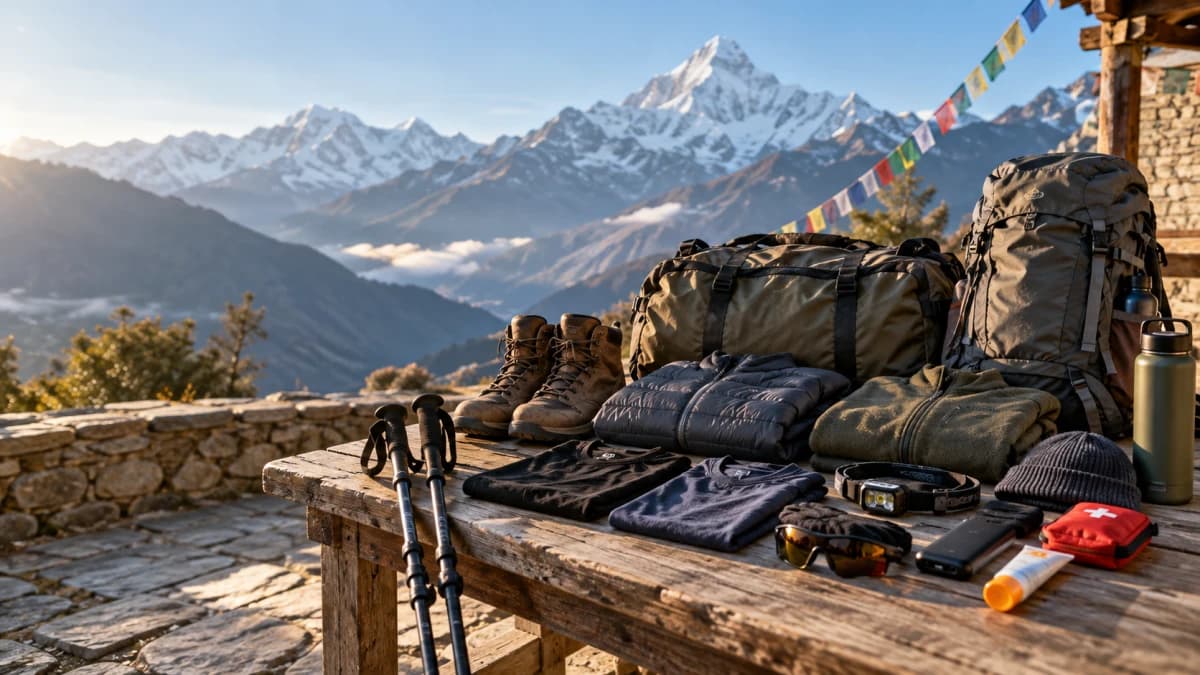
A complete Nepal trekking packing list for 2026/27: clothing layers, footwear, first aid, electronics and route-specific notes for Everest Base Camp, Manaslu Circuit and Annapurna Base Camp.
The standard advice for packing a Nepal trek is to take half as many clothes as you planned and twice as much money. That is reasonably accurate. This list covers what you actually need for the three routes we run most often — Everest Base Camp, Manaslu Circuit, and Annapurna Base Camp. Every item on this list has a reason.
General Packing Principles
Target pack weight: 8–10 kg in your main bag (your porter carries this). Your daypack — water, snacks, camera, layers you strip off during the day — should sit at 4–5 kg.
Test your gear at home in cold conditions before you travel. This is not the place to discover your sleeping bag is inadequate.
Merino wool and synthetic fabrics dry faster than cotton. Leave cotton T-shirts at home above 3,000 m.
Teahouses above 3,500 m are cold in the evenings even in October. A warm layer is not optional.
Clothing: The Layering System
High-altitude trekking works on three layers: a moisture-wicking base, an insulating mid-layer, and a wind/waterproof shell. Every item below serves one of those functions.
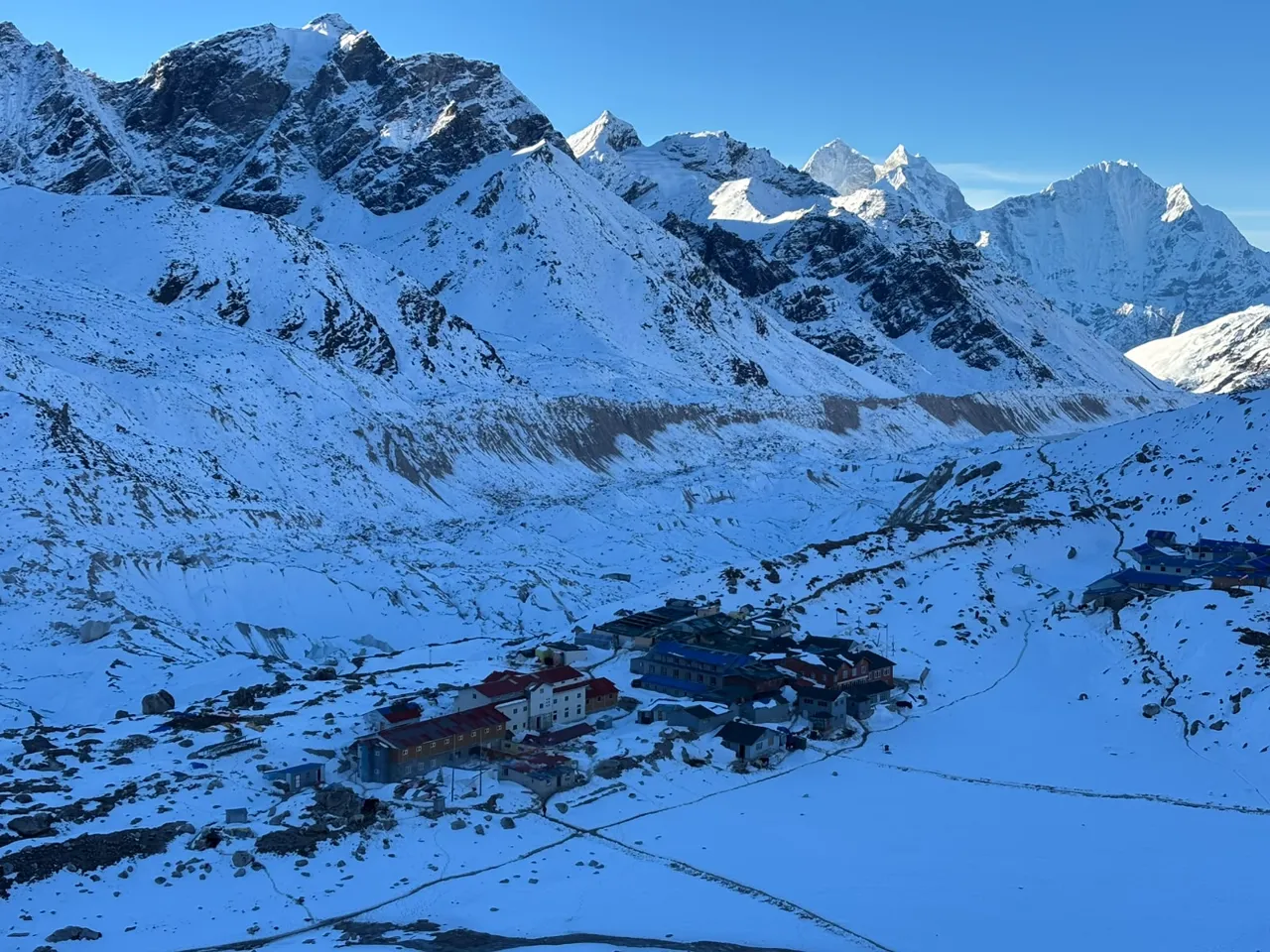
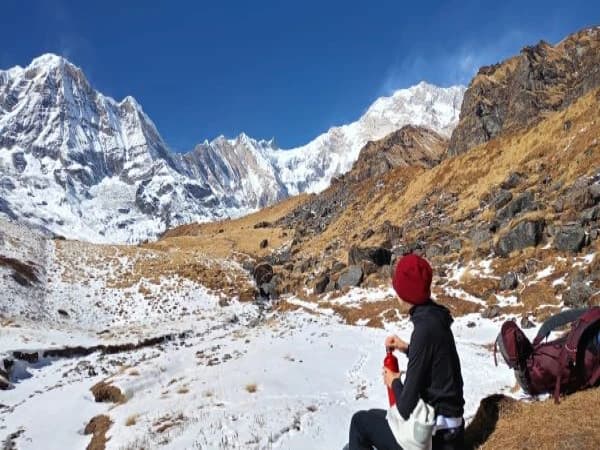
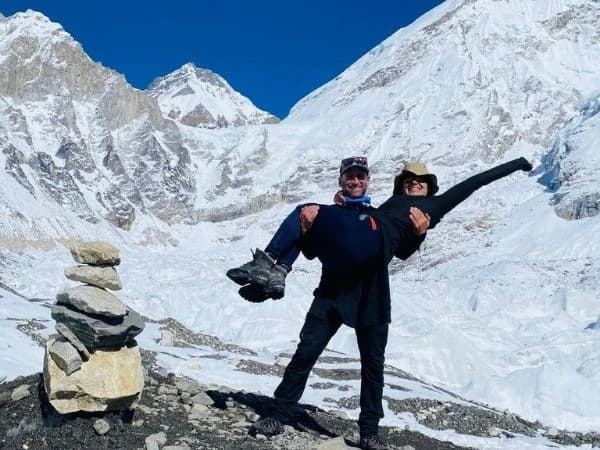
Gorak Shep (5,164 m) after fresh snowfall — this is why the layering system matters.
Base Layer
2–3 merino wool or synthetic trekking shirts (long-sleeve and short-sleeve)
2 pairs merino wool or synthetic thermal leggings
4–5 pairs merino wool or synthetic hiking socks
3–4 pairs moisture-wicking underwear
1 lightweight merino wool base layer top (for sleeping and cold mornings)
Mid Layer
1 fleece jacket (250-weight or heavier) — essential above 3,500 m
1 down or synthetic insulated jacket — essential above 4,000 m
Outer Layer
1 waterproof and windproof shell jacket (Gore-Tex or equivalent)
1 pair waterproof trekking trousers or zip-off trousers
Trekking Trousers and Shorts
2 pairs lightweight trekking trousers
1 pair trekking shorts (for lower elevations in warm weather)
Warm Accessories
1 wool or fleece hat covering ears
1 balaclava or neck gaiter (for Larkya La, Thorong La, or Gorak Shep area)
1 pair warm gloves + 1 pair thin liner gloves
1 buff / neck gaiter for sun and dust
Footwear
Footwear is the most important gear decision you will make for this trip. Do not pack new boots.
1 pair waterproof trekking boots — ankle-support, well broken-in (minimum 80 km of walking before departure). Go-to brands: Salomon, Scarpa, La Sportiva, Merrell.
1 pair lightweight trail runners or approach shoes — for rest days, warm afternoons at lower altitude, and the flight home
Teahouse sandals or flip-flops — your feet will thank you every evening
Gaiters — optional for EBC and ABC, useful for Manaslu Circuit above Dharmasala in wet or snowy conditions
Sleeping Gear
Teahouses on all three routes provide blankets, but a sleeping bag adds a meaningful margin of warmth and hygiene. We provide a sleeping bag and down jacket free of charge for all our treks — you do not need to buy or rent these items.
Sleeping bag liner (silk or cotton) — adds warmth and keeps things cleaner
Trekking poles reduce knee stress on descents by 20–30% and give you two extra points of contact on icy or snowy sections. They are worth carrying even if you do not usually use them. Bring ones with anti-shock suspension. Leki and Black Diamond both hold up to Himalayan use. You can rent poles in Thamel for USD 2–3 per day if you prefer not to travel with them.
Daypack
1 lightweight daypack, 20–25 litres — for the items you access during the day
Pack liner or dry bags — keeps electronics and sleeping bag dry in rain
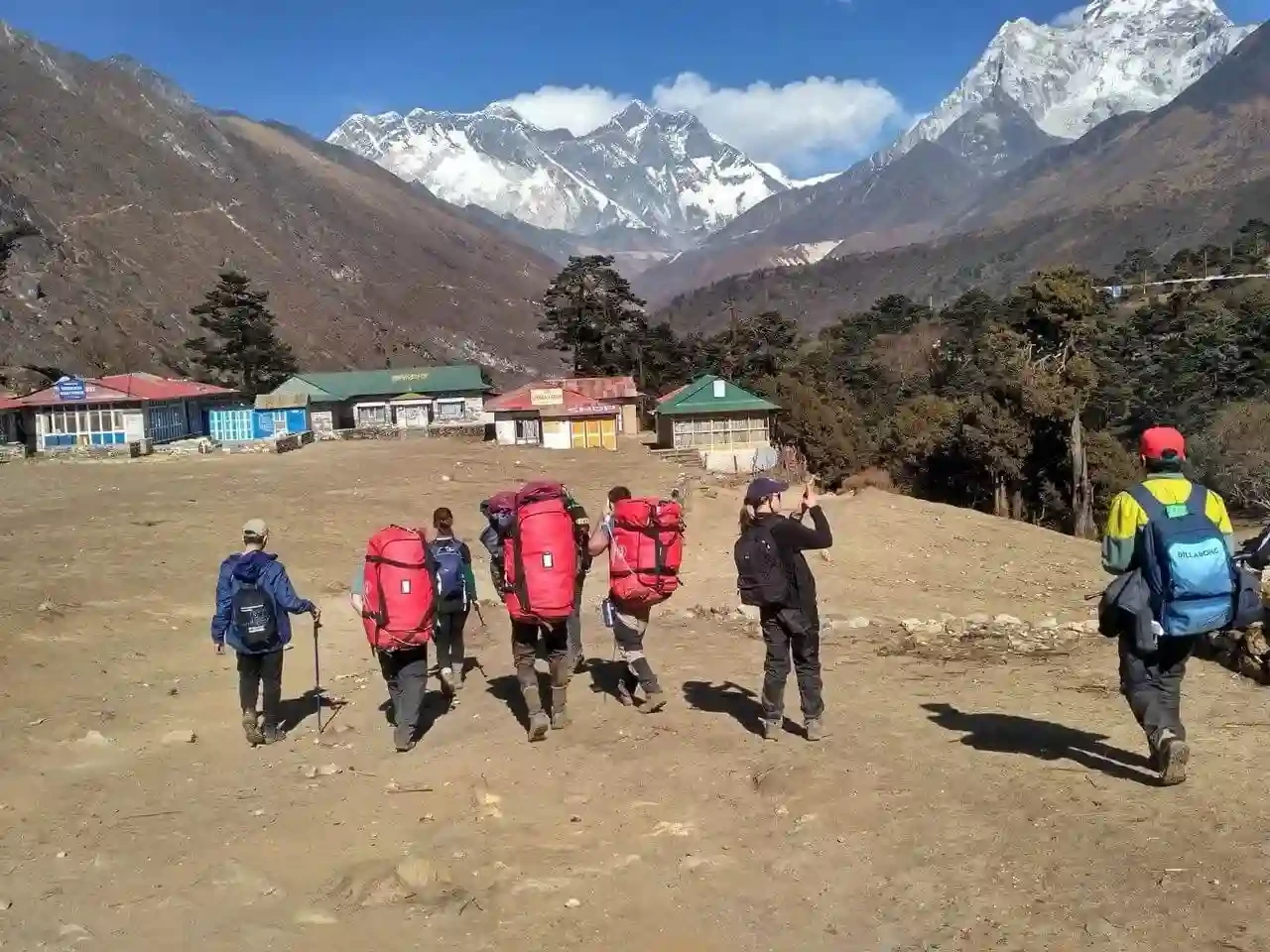
1 large duffel bag or rucksack (50–70L) for your porter — provided free with porter hire on our treks
Your porter carries the main bag; you carry a 20–25 litre daypack with the essentials for the day.
Hydration
2 × 1-litre water bottles or a 2-litre hydration bladder
Water purification: UV pen (Steripen) or filter (Sawyer Squeeze) — avoids bottled water cost on trail
Electrolyte tablets or powder — altitude and exertion cause dehydration faster than at sea level
Pulse oximeter — useful for monitoring your own SpO2 above 4,000 m
Electronics
Camera or phone with a good camera
Spare batteries or power bank (2 × 10,000 mAh minimum — cold drains batteries fast)
Universal travel adapter (Type C / D in Nepal)
Headlamp with spare batteries — pre-dawn Larkya La and Thorong La departures require it
Short charging cables (avoid bulk)
Documents and Money
Passport (original required for all permits and checkpoints)
Passport photos (4 copies — needed for permits and visas)
Nepal visa (obtain on arrival at Tribhuvan International Airport or pre-apply online)
Travel insurance documents — your policy must include helicopter evacuation to at least 6,000 m
Emergency contacts card (laminated or in a waterproof pocket)
USD cash for tips, extras, and emergencies — on EBC the last ATMs are in Namche Bazaar; on the Manaslu Circuit there are no reliable ATMs on the trail, so withdraw enough in Kathmandu before you leave
Toiletries and Hygiene
Biodegradable soap and shampoo
Wet wipes (plenty — showers above 4,000 m become occasional)
Hand sanitiser
Toilet paper (carry your own above Namrung and Namche)
Lightweight microfibre towel
Toothbrush and toothpaste
Nail clippers
What NOT to Bring
Jeans and cotton trousers — they are heavy, dry slowly, and provide no warmth when wet
Heavy SLR camera kit — a mirrorless camera or phone is sufficient for most trekkers
Large bottles of shampoo or conditioner — buy small bottles or decant into 100ml containers
More than two books — share and swap at teahouses
A full-sized towel — a microfibre travel towel weighs 200g and dries in an hour
Route-Specific Notes
Everest Base Camp (EBC, 15 Days — max altitude: Kala Patthar 5,545 m)
You fly Kathmandu–Lukla (2,845 m) — pack your carry-on with your most essential items in case of baggage issues
Gorak Shep (5,164 m) is the highest teahouse on the route; nights here are seriously cold — your sleeping bag and down jacket get their heaviest use
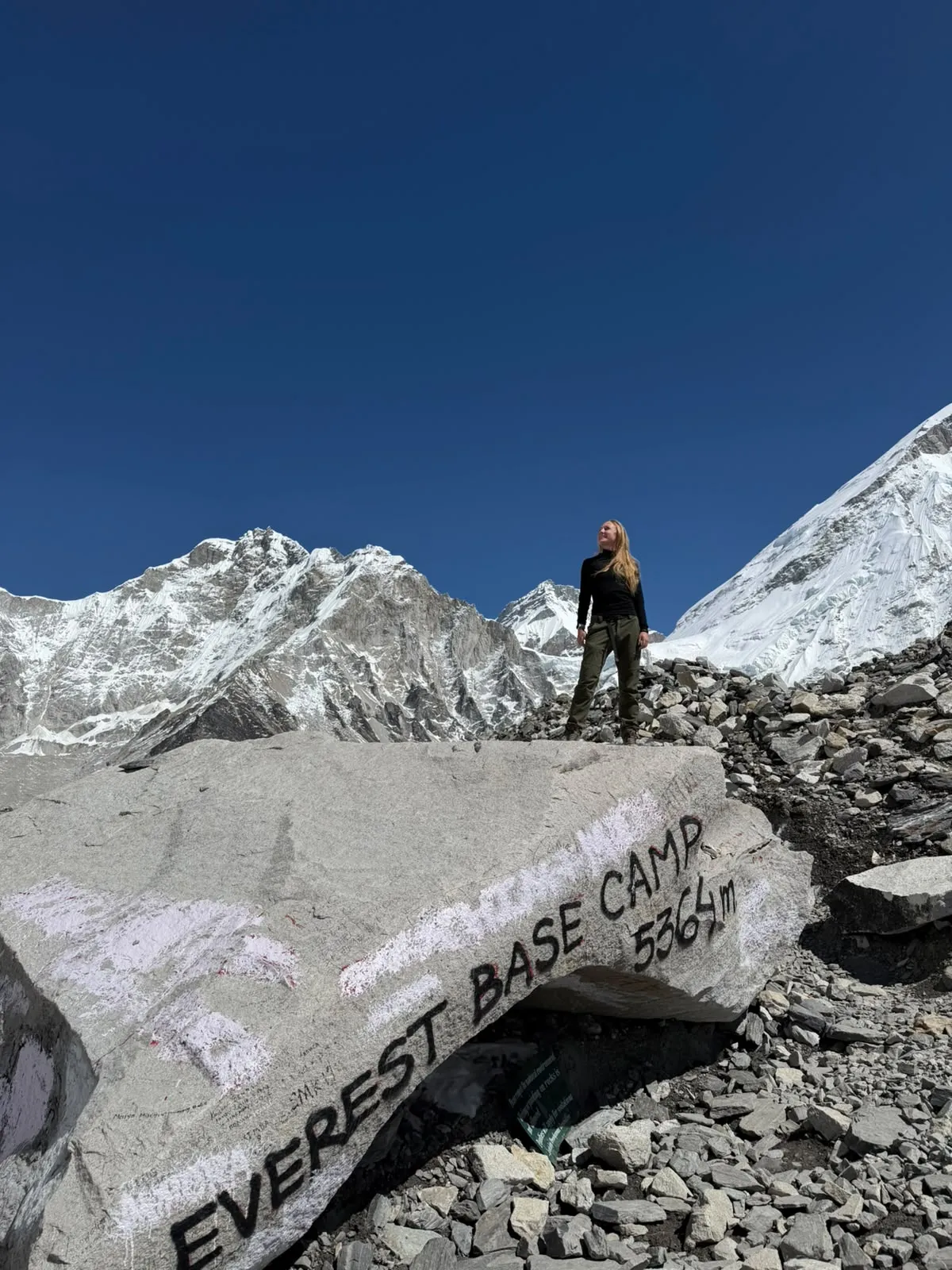
Glacier glasses are essential from Gorak Shep upward
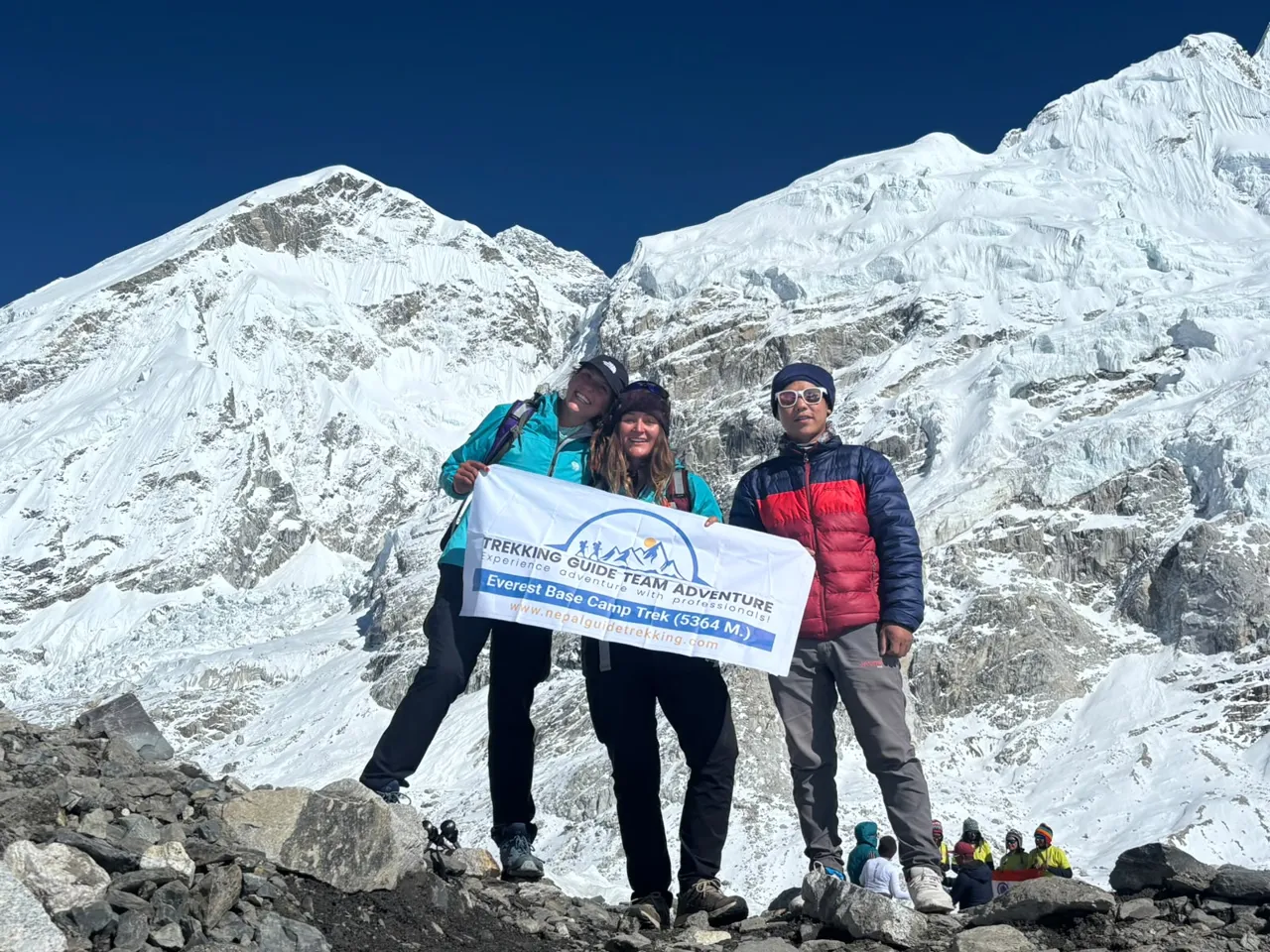
At Everest Base Camp — glacier glasses, a warm hat and a down jacket earn their place here.
Manaslu Circuit (12 Days — max altitude: Larkya La 5,160 m)
Gaiters and microspikes are useful for crossing Larkya La early in the season (October) or after fresh snowfall
Above Namrung, wifi becomes unreliable and power sockets are scarce — charge everything you have at Namrung
Dharmasala is the last teahouse before Larkya La; accommodation is very basic — your sleeping bag matters here
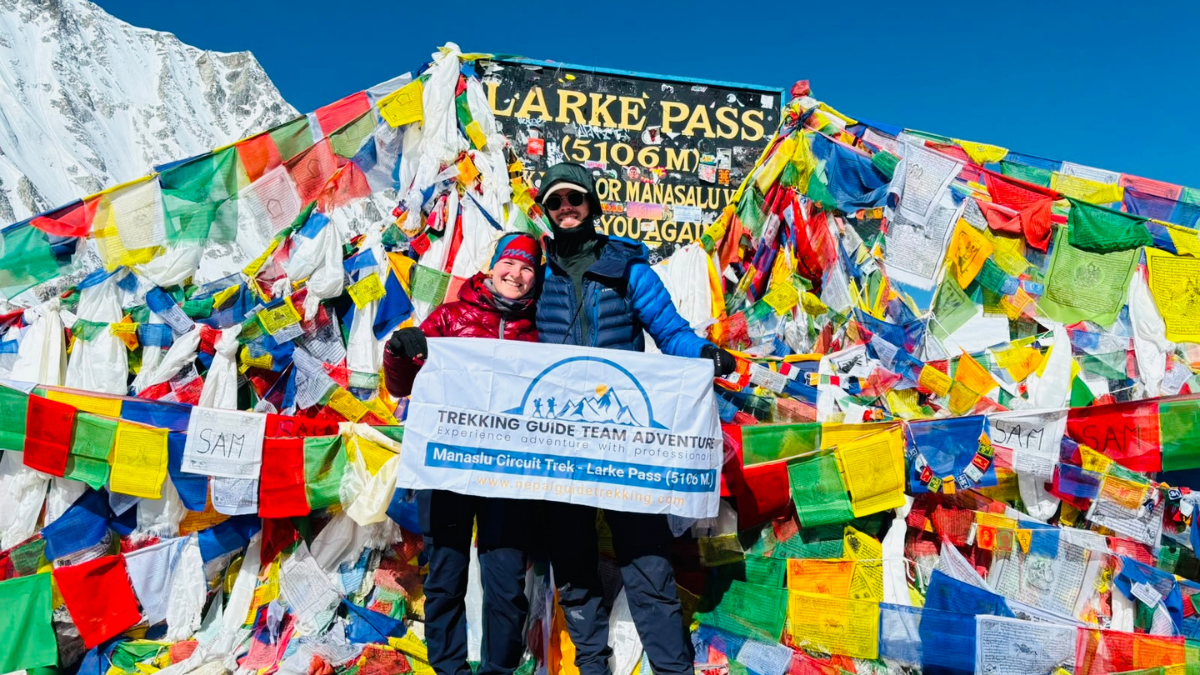
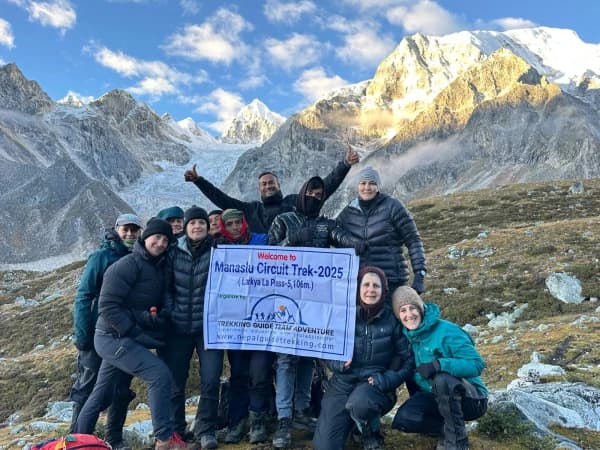
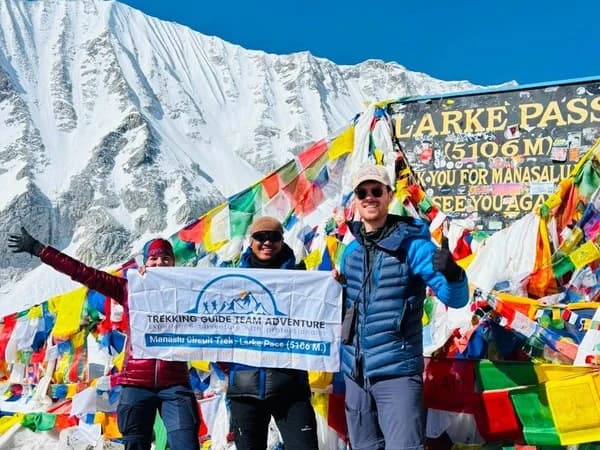
Crossing Larkya La (Larke Pass) — the pre-dawn start calls for a headlamp, gloves and microspikes after snowfall.
Annapurna Base Camp (ABC, 10 Days — max altitude: 4,130 m)
ABC is lower than EBC or Manaslu — a 3-season sleeping bag is sufficient for most of the year
The Modi Khola gorge section can be muddy — waterproof boots and gaiters help in wet seasons
Rhododendron forest sections are beautiful in March–April; layers remain important despite lower altitude
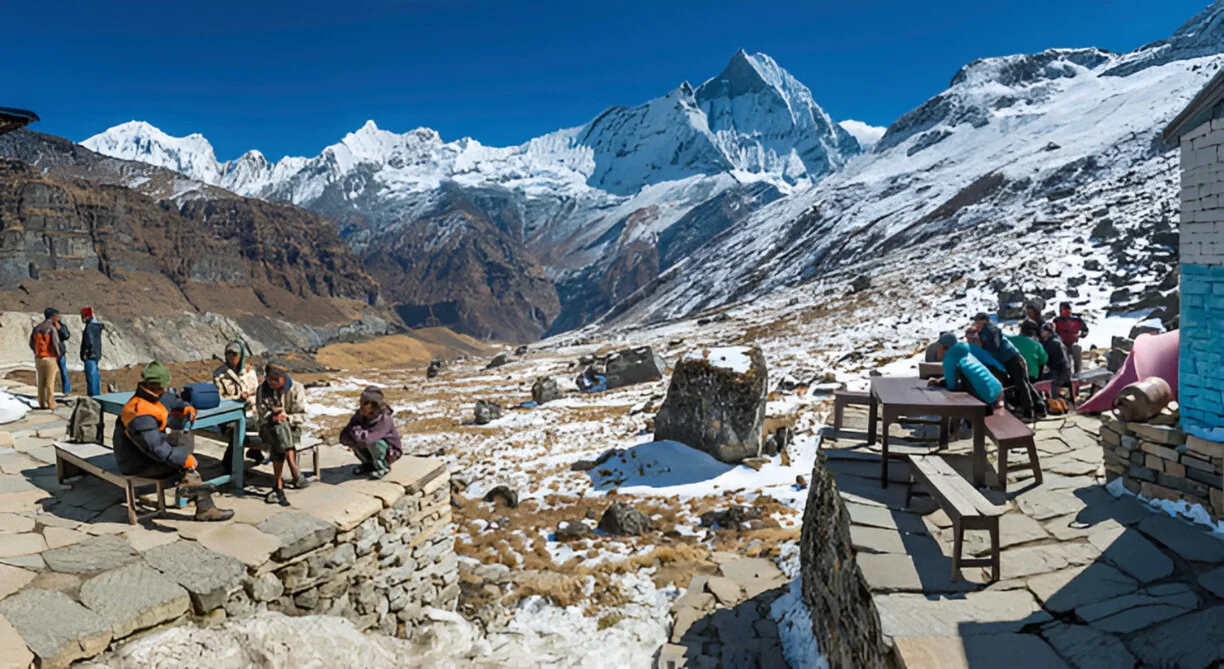
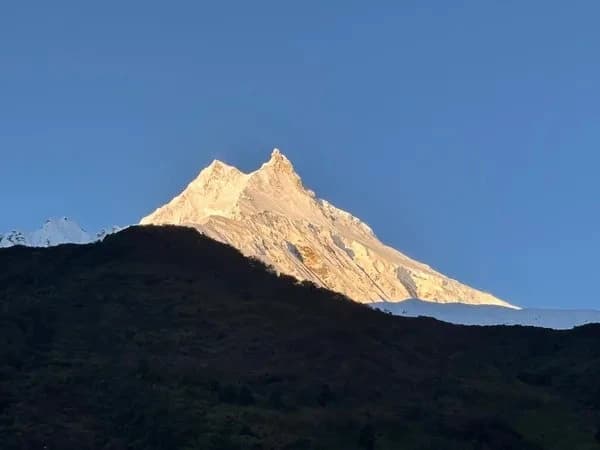
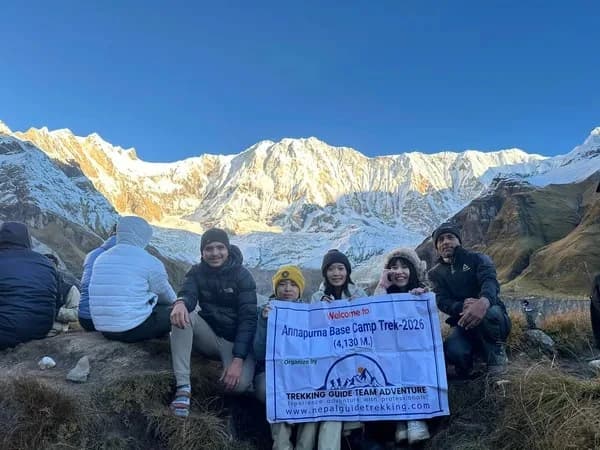
Annapurna Base Camp sits lower at 4,130 m, but evenings on the teahouse terrace are still cold.Our guides have run these routes for years — ask them anything about gear before you fly.
Need help finalising your kit list? Our guides have run these routes for years and are happy to answer gear questions before you travel. Reach us on WhatsApp or check our Everest Base Camp Trek, Manaslu Circuit Trek, or Annapurna Base Camp Trek pages for departure dates and what is included in each package.