Gokyo Lake vs Everest Base Camp Trek: Which Khumbu Trek Should You Choose?
Both routes start with the same Lukla flight, spend the first two days on identical trail, and share Namche Bazaar as the hub of the Khumbu region. After Namche, they diverge completely — EBC heads northeast up the Khumbu Glacier corridor toward the base of Everest, and Gokyo turns northwest into a quieter valley ending at a chain of turquoise high-altitude lakes.
Most people who ask "which is better" are really asking something more specific: which one is right for them, on this particular trip, with this amount of time and this set of priorities. This article answers that question directly.
What Everest Base Camp Gives You
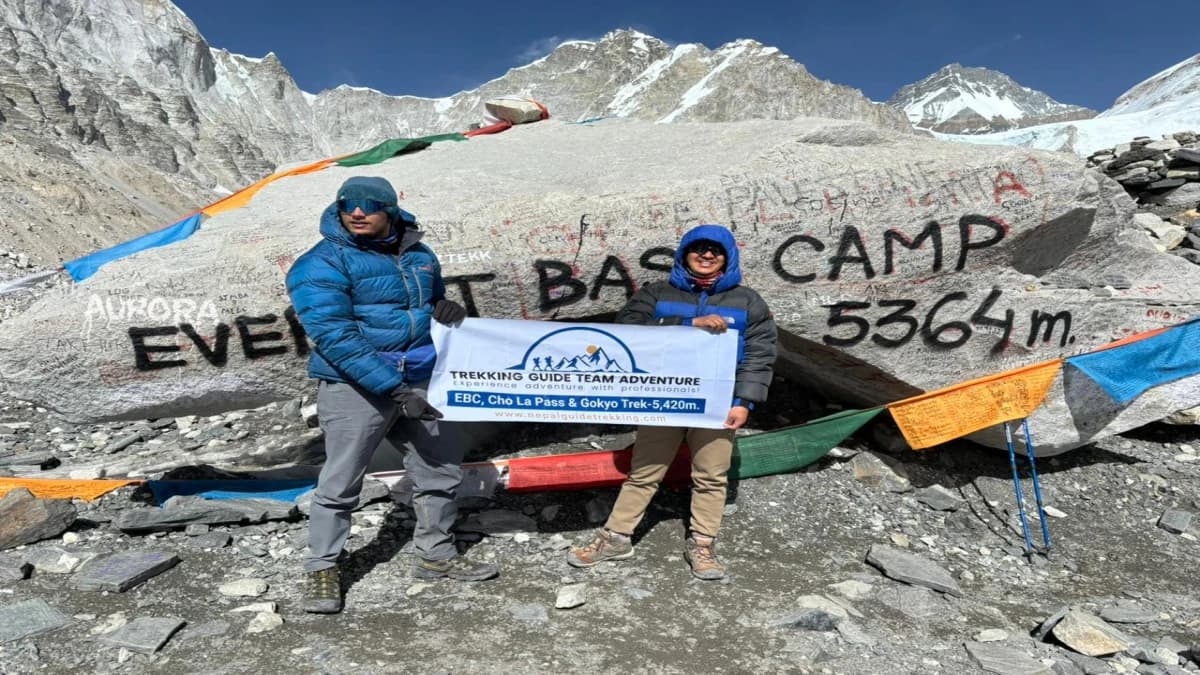
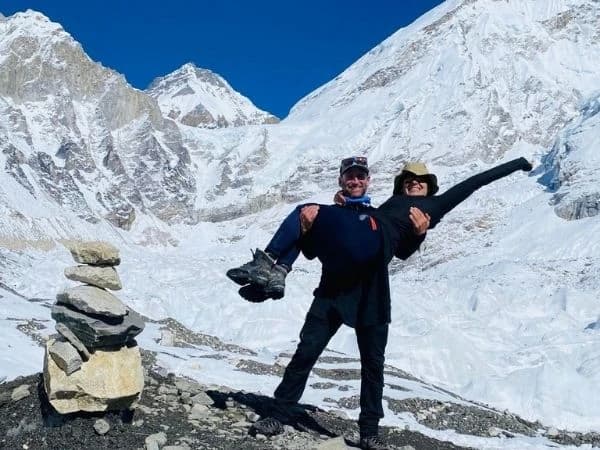
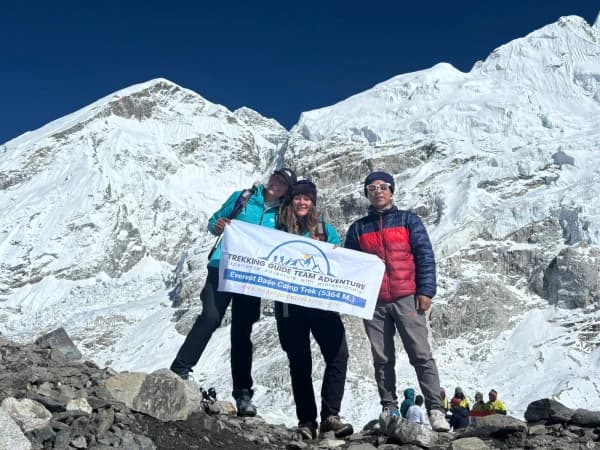
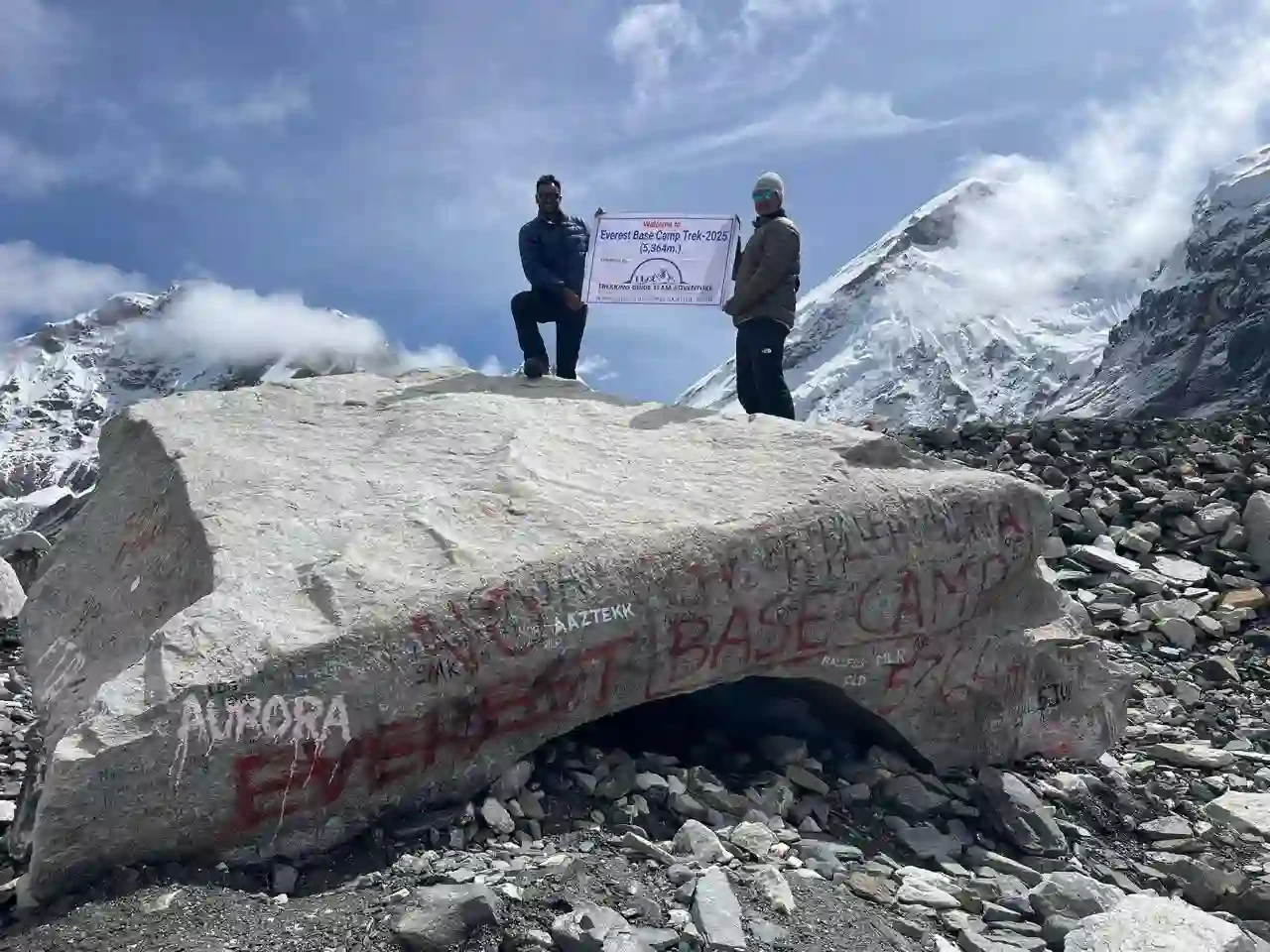
The Everest Base Camp Trek at 5,364m is specifically the base camp of Mount Everest — the staging point for every South Col summit attempt. In spring, expedition tents are visible on the glacier, helicopters move between camps, and the Khumbu Icefall rises directly above you. In autumn, the camp is quieter but the scale is the same: a field of moraine at the foot of the world's highest mountain.
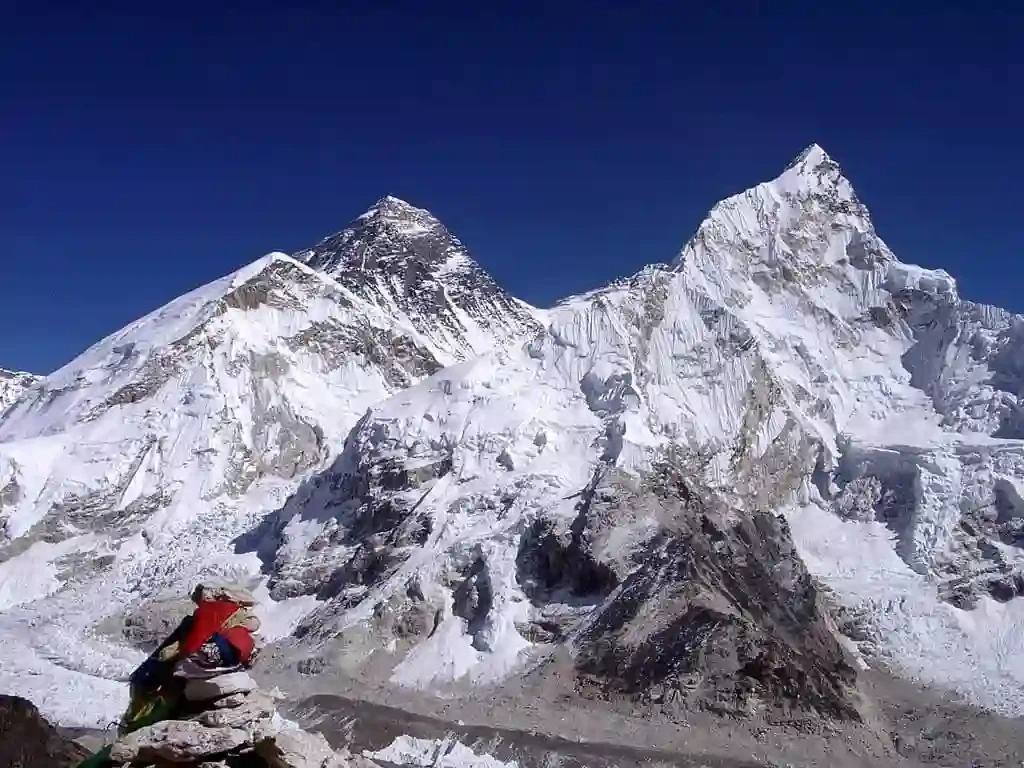
Kala Patthar at 5,545m, climbed the morning after reaching base camp, provides the classic southeast-face view of Everest. The summit pyramid dominates the northern skyline with the Khumbu Icefall visible below it. This is the view that appears in most Everest photography — it is from Kala Patthar, not from EBC itself, because the mountain is too close and foreshortened at base camp.
The EBC trail from Namche is also the most developed trekking infrastructure in Nepal. Teahouses are frequent, bakeries operate in Namche and Tengboche, WiFi reaches Dingboche, and the route is clearly signed. For a first Khumbu trek, this is the more logistically straightforward corridor.
What Gokyo Lake Gives You
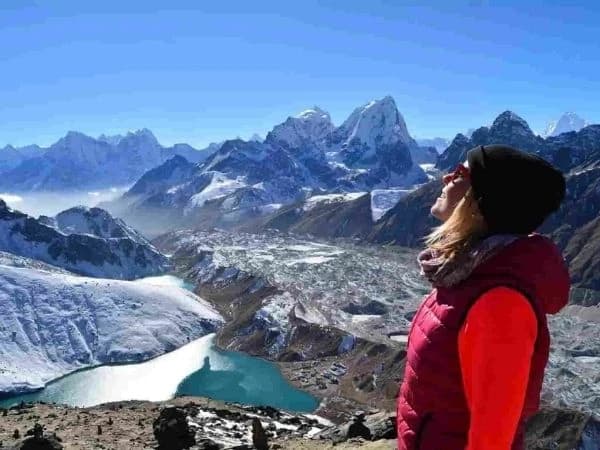
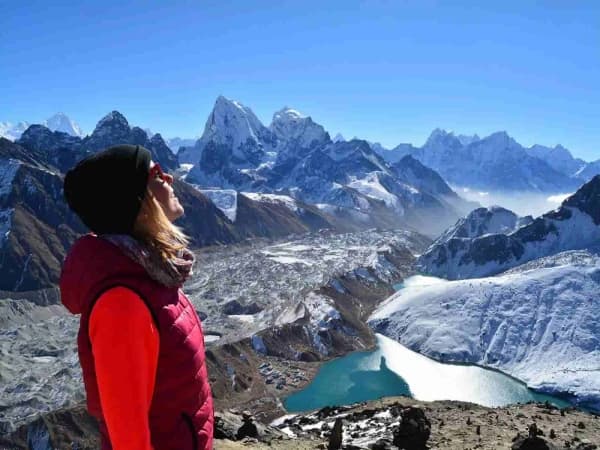
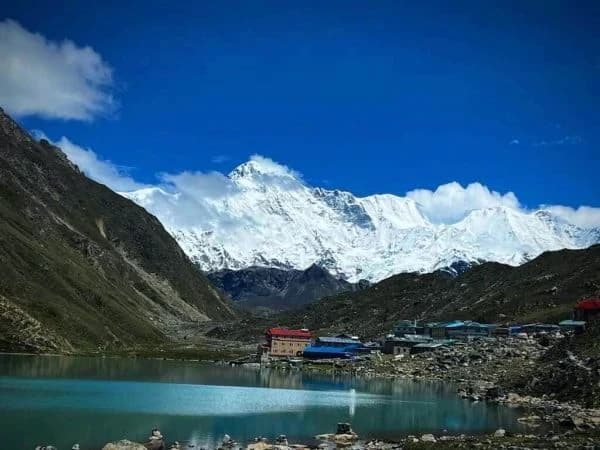
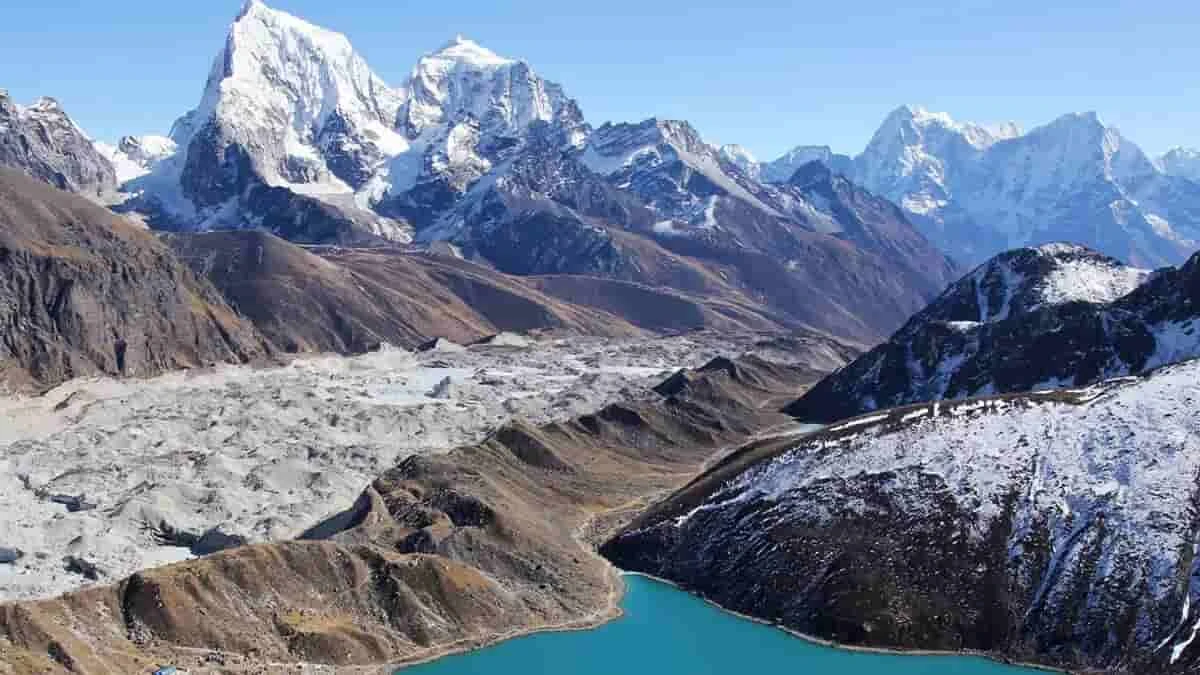
The Gokyo Lake Trek valley contains six major glacial lakes at altitudes between 4,700m and 5,000m. Gokyo Lake itself (4,790m) sits beside the Ngozumpa Glacier — the largest glacier in Nepal by area. The water is a vivid turquoise-green that photographs cannot fully capture. On still mornings before wind disturbs the surface, the lake reflects the surrounding peaks.
Gokyo Ri at 5,357m is the viewpoint summit above Gokyo village. From the top, four 8,000m peaks are visible simultaneously: Everest (8,849m), Lhotse (8,516m), Makalu (8,481m), and Cho Oyu (8,188m), with the full sweep of the Ngozumpa Glacier below. Most experienced Khumbu guides, when asked directly, rate Gokyo Ri above Kala Patthar for the panoramic view. The EBC corridor does not offer four 8,000m peaks in a single frame.
The trail from Namche to Gokyo carries significantly fewer trekkers than the EBC corridor. After the routes split at Namche, the Gokyo Valley becomes noticeably quieter. In the same October week that the EBC trail above Namche is congested with teahouses stretched to capacity, the section above Dole on the Gokyo route feels genuinely remote.
Side-by-Side Comparison
| |
Everest Base Camp (15 Days) |
Gokyo Lake (15 Days) |
| Maximum altitude |
5,545m — Kala Patthar |
5,357m — Gokyo Ri |
| Defining experience |
EBC at 5,364m + Khumbu Icefall above |
Gokyo Lakes + 4 x 8,000m peaks from Gokyo Ri |
| Best Everest view |
Kala Patthar — close-range SE face + icefall |
Gokyo Ri — broader panorama, full horseshoe |
| Trail crowds |
High above Namche in peak season |
Moderate — quieter above Dole after Namche diverge |
| Trail infrastructure |
Very developed — frequent teahouses to Gorak Shep |
Good — quieter, fewer options above Machhermo |
| Duration |
13 to 15 days |
13 to 15 days |
| Package cost |
From USD 1,350 (13-day) |
Similar — contact operator for current pricing |
| Permits |
Sagarmatha NP permit + Khumbu local fee |
Same — both routes inside Sagarmatha NP |
| Difficulty |
Moderate to strenuous |
Moderate to strenuous — comparable overall |
| Teahouse booking |
Book well ahead for Lobuche and Gorak Shep in Oct |
Book ahead for Machhermo and Gokyo in Oct |
| Wildlife |
Sagarmatha NP — musk deer, Himalayan tahr, birds |
Same park — more sightings due to fewer people |
| First Khumbu trek? |
Better infrastructure for first-timers |
Manageable but more remote feel above Machhermo |
Difficulty: Is One Trek Harder Than the Other?
The two routes are genuinely comparable in overall difficulty. Both involve:
- The same Lukla approach and the Phakding to Namche ascent (600m climb on Day 2 — the hardest single ascent in the lower Khumbu)
- Two acclimatization days at similar altitudes
- Maximum summit altitude within 200m of each other — 5,545m at Kala Patthar vs 5,357m at Gokyo Ri
- 13 to 15 consecutive trekking days with similar daily distances and elevation profiles
Where the routes differ slightly:
- EBC: Higher maximum altitude (5,545m vs 5,357m). The moraine section from Lobuche to Gorak Shep (4,940m to 5,140m) is the most disorienting section on the route — uneven glacial debris at altitude in poor visibility. Kala Patthar is a steep 400m ascent above 5,100m, typically done before sunrise in temperatures that frequently reach minus 15 degrees Celsius.
- Gokyo: More remote above Machhermo (4,470m). Fewer teahouses means less flexibility if weather forces a rest day. The section from Machhermo to Gokyo village involves a sustained ascent across exposed terrain that feels more committing than anything on the EBC corridor at equivalent altitude.
For a detailed breakdown of trek difficulty, fitness requirements, and the day-by-day effort profile, see the Nepal trek fitness and training guide.
The Gokyo Ri vs Kala Patthar Debate
This comparison comes up on every Khumbu trek forum and in every teahouse conversation above Namche. The honest answer is that they offer different things rather than one being definitively better.
Kala Patthar (5,545m) gives you Everest close up, from the southeast, with the Khumbu Icefall descending from the Western Cwm directly in your line of sight. It is the most intimate view of the South Col route — the same face that Hillary and Tenzing climbed in 1953. The proximity is the point. You are not looking at Everest from distance; you are underneath it.
Gokyo Ri (5,357m) gives you breadth. Everest appears in a line with Lhotse, Nuptse, Makalu, and Cho Oyu, with the Ngozumpa Glacier spreading below and Gokyo Lake visible as a green patch in the valley. It is a landscape view rather than a mountain portrait. On a clear morning with pre-dawn alpenglow on the peaks, Gokyo Ri is as good a viewpoint as exists in the Khumbu.
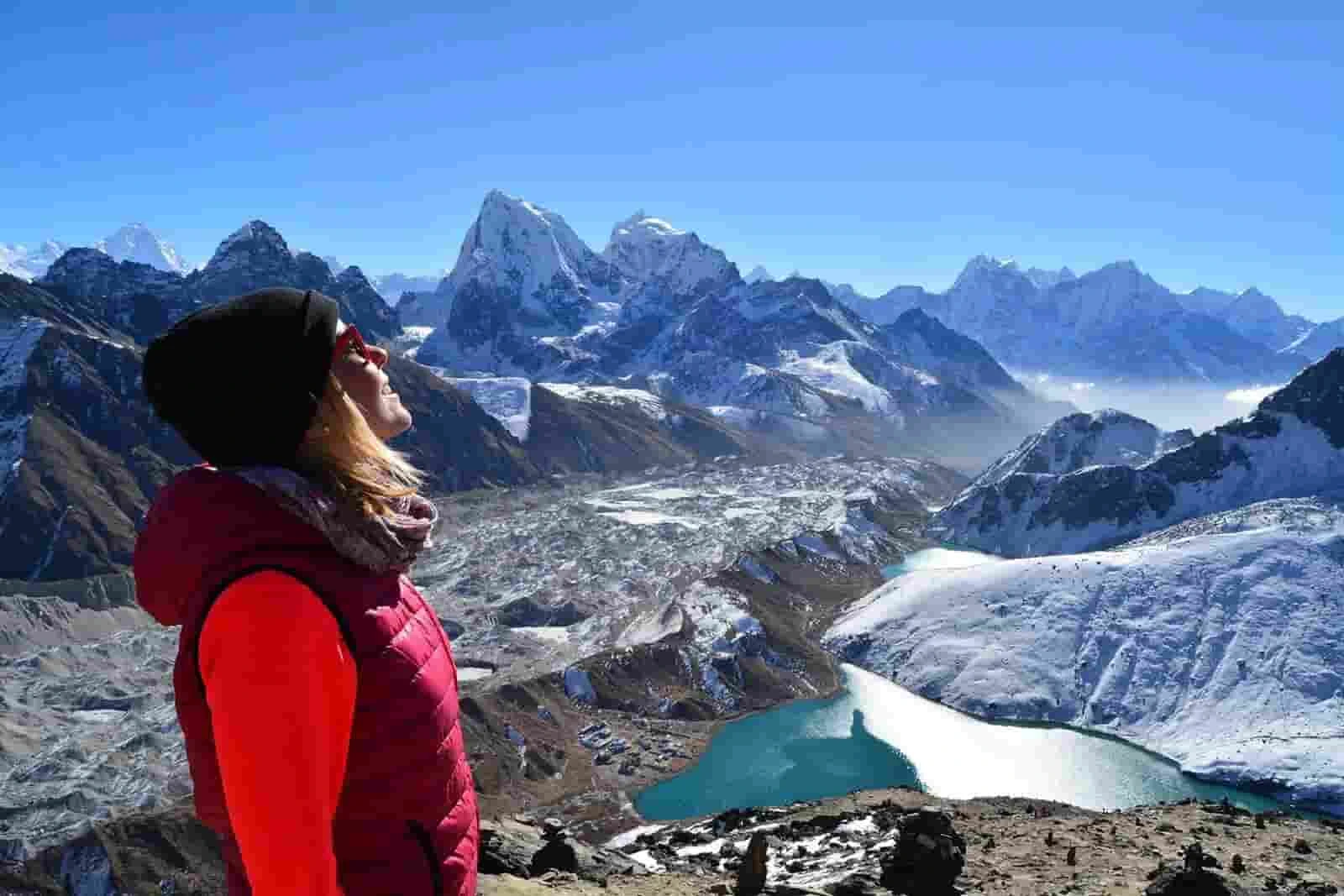
Both require an early start to beat cloud — typically 4am to 5am. Both are physically demanding in the cold. If you can only do one, neither choice is wrong.
Cost Comparison
Package pricing for the two routes is closely comparable because the logistics are nearly identical: same Lukla flights, same licensed guide requirement (see our guide to Nepal's mandatory guide rule), same Sagarmatha National Park permit, same teahouse accommodation model. For a full breakdown of what a 15-day itinerary costs, see the Everest Base Camp trek cost guide.
Specific cost differences:
- Teahouse food prices are slightly lower on the Gokyo route above Dole — fewer trekkers means less commercial pressure on prices
- The Gokyo route does not require the same level of advance teahouse booking as Lobuche and Gorak Shep during peak October — reducing last-minute stress, though advance booking is still sensible
- Both routes use the same Lukla flight (USD 450 to 520 return in the package) and the same guide and porter arrangements
The Trekking Guide Team Adventure Gokyo Lake 15-day package is priced comparably to the EBC packages. Contact the team for current solo and group rates.
Can You Do Both Routes in One Trip?
Yes. The Gokyo Renjo La Pass Trek — also called the Three Passes Trek — connects EBC and Gokyo through two high-pass crossings: Cho La (5,420m) and Renjo La (5,340m). The route goes up the EBC corridor to Lobuche, crosses Cho La to Gokyo, ascends Gokyo Ri, then exits via Renjo La back to Namche.
This is a demanding 15 to 17-day itinerary recommended for trekkers with prior Khumbu experience. The passes require confident movement on icy terrain, and the cumulative altitude exposure is higher than either standalone route. For experienced trekkers returning to the Khumbu, the three-pass route is one of the most comprehensive high-altitude experiences available in Nepal.
See the full itinerary for the Gokyo Renjo La Pass Trek — 15 Days.
Which Trek Is Right for You
Choose Everest Base Camp if:
- Standing at the base of Everest specifically is the goal — no viewpoint substitutes for the base camp itself
- This is your first Khumbu trek and you want the better-developed trail infrastructure
- You want the Khumbu Icefall in your foreground and Everest close up
- You are trekking in spring and want to see active expedition operations at base camp
Choose Gokyo Lake if:
- You want the high-altitude lake landscape — the Gokyo Lakes are unlike anything on the EBC trail
- Trail solitude matters — the Gokyo Valley is meaningfully quieter after Namche
- A broader mountain panorama from Gokyo Ri (four 8,000m peaks) appeals more than the close-up EBC view
- You have done EBC before and want a different Khumbu experience
Consider the Gokyo Renjo La Pass trek if:
- You have prior Khumbu experience and want to do both routes in one 15 to 17-day trip
- You are comfortable on high passes above 5,300m and prepared for icy terrain
- You want the most complete Everest region experience without technical climbing
Frequently Asked Questions
Which is better, Gokyo Lake or Everest Base Camp?
Neither is objectively better. EBC delivers a specific destination — the base of the world's highest mountain — with the most dramatic immediate mountain scale. Gokyo delivers broader landscape diversity, the lakes, and a wider panorama from Gokyo Ri. Trekkers who have done both rarely regret either choice. The right pick depends on whether a specific destination or a landscape experience is the primary draw.
Is Gokyo harder than Everest Base Camp?
The overall difficulty is comparable. Kala Patthar at 5,545m is the higher summit by 188m. The Gokyo route is more remote above Machhermo with fewer teahouse options if something goes wrong. EBC has the more developed infrastructure but a longer moraine approach and higher final altitude. Both demand the same preparation: 10 to 12 weeks of training, proper altitude acclimatization, and a realistic appraisal of your fitness.
Can I see Everest from Gokyo?
Yes, clearly. Everest is visible from Gokyo Ri (5,357m) and from Gokyo village (4,790m) on clear mornings. The view from Gokyo Ri shows the full northeastern face of Everest alongside Lhotse, Makalu, and Cho Oyu — four 8,000m peaks simultaneously, which is not possible from Kala Patthar. What Gokyo does not provide is the proximity of Base Camp itself or the Khumbu Icefall in the foreground.
How long does the Gokyo Lake trek take?
The standard Gokyo Lake itinerary from Trekking Guide Team Adventure runs 15 days from Kathmandu. This includes the Lukla flight, the Namche approach, two acclimatization days, the Gokyo Valley ascent, Gokyo Ri summit, and return via Namche to Lukla. A 13-day version is possible but reduces the acclimatization margin — the 15-day itinerary is recommended.
Full itinerary and booking details: Gokyo Lake Trek — 15 Days and Everest Base Camp Trek — 15 Days.