EBC or Annapurna Circuit? We compare difficulty, cost, scenery, crowds, and best season so you can pick the right Nepal trek for you.
Everest Base Camp Trek – 15 Days
Everest Region, Nepal
FromUS$1399


EBC or Annapurna Circuit? We compare difficulty, cost, scenery, crowds, and best season so you can pick the right Nepal trek for you.
You've narrowed it down to two treks. Both are classics. Both cross serious altitudes. Both will take the better part of two to three weeks. The question isn't which one is famous; it's which one is right for you. This guide breaks down both routes across every factor that actually matters and gives you a direct recommendation based on your situation.
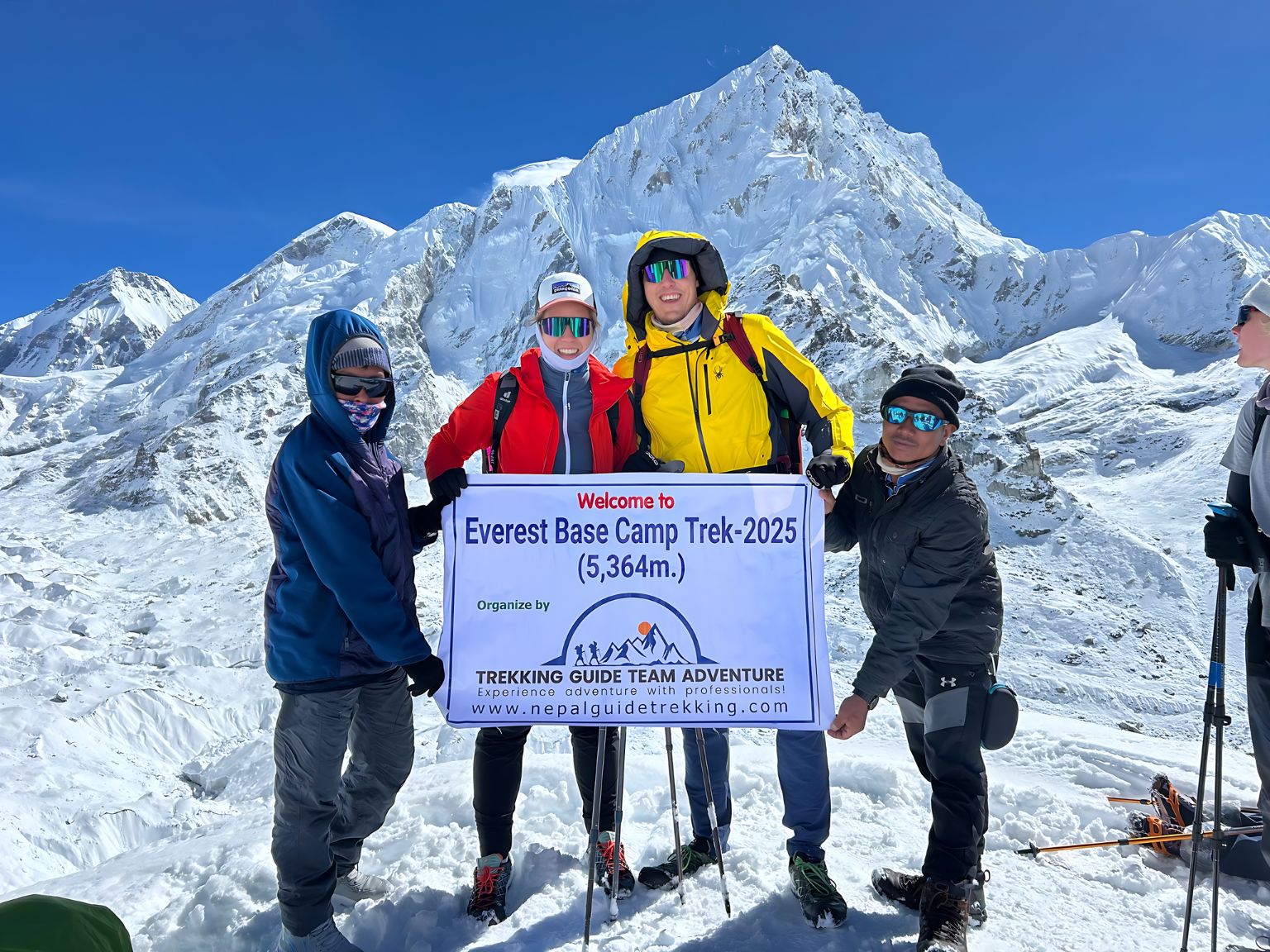
If you want the most iconic trekking objective in the world, a fixed destination, and a shorter itinerary, choose Everest Base Camp. If you want more variety, a longer wilderness experience, and slightly fewer crowds, choose the Annapurna Circuit.
Use the comparison table below to get your bearings, then read on for the full breakdown.
| Everest Base Camp | Annapurna Circuit | |
|---|---|---|
| Difficulty | Moderate to strenuous | Moderate to strenuous |
| Max Altitude | 5,364m (Base Camp) | 5,416m (Thorong La Pass) |
| Duration | 12–14 days | 16–21 days |
| Est. Cost (USD) | $1,200 – $2,500 | $1,000 – $2,200 |
| Crowds | High (peak season) | Moderate |
| Best Season | Mar–May, Sep–Nov | Oct–Nov, Mar–Apr |
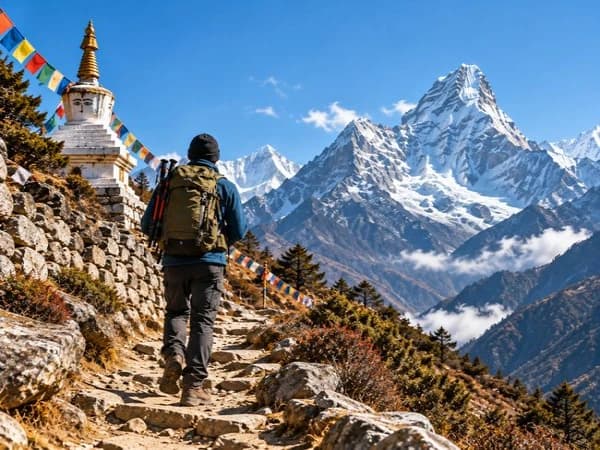
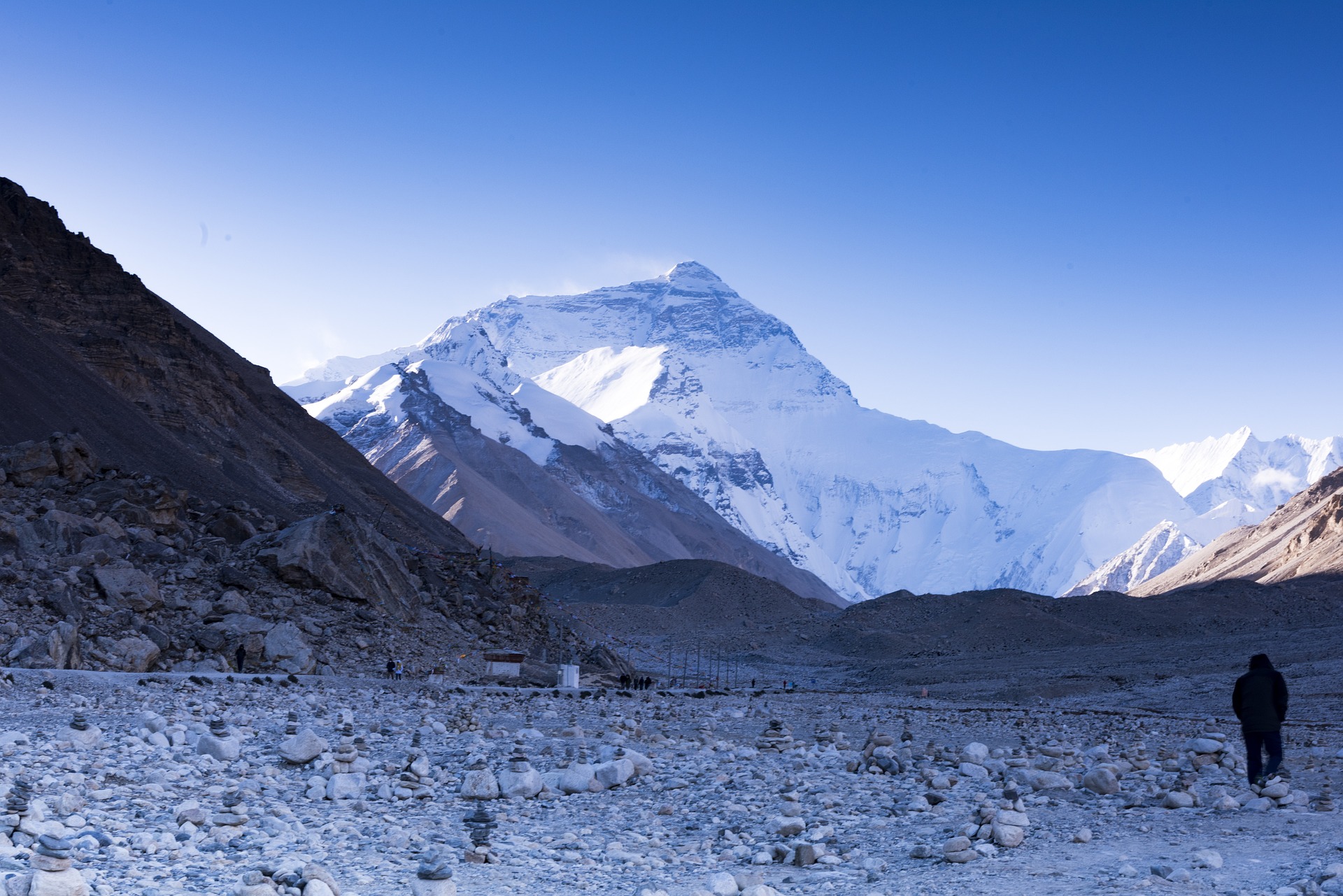
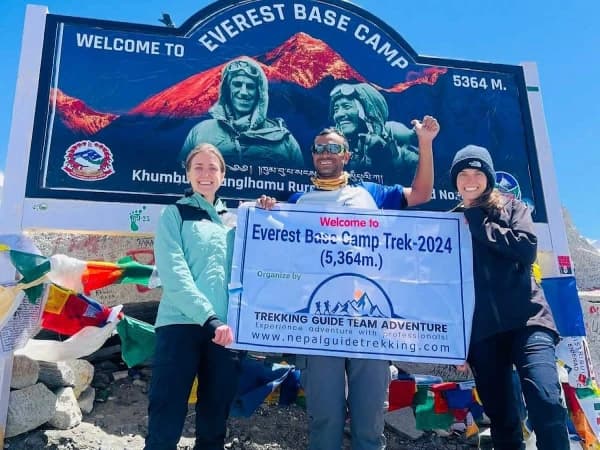
The Everest Base Camp trek follows the Khumbu Valley from Lukla airport to the foot of the world's highest mountain. You'll pass through Sherpa villages, cross suspension bridges strung above gorges, and sleep in teahouses with direct views of Ama Dablam, Lhotse, and Nuptse. The trail ends at Base Camp at 5,364m, with an optional scramble up Kala Patthar (5,545m) for a direct sightline onto Everest's summit pyramid.
Duration is typically 12 to 14 days. The trail is well-defined, well-serviced, and flows in a single corridor — up to Base Camp, back the same way. That predictability is a feature for many trekkers, not a flaw.
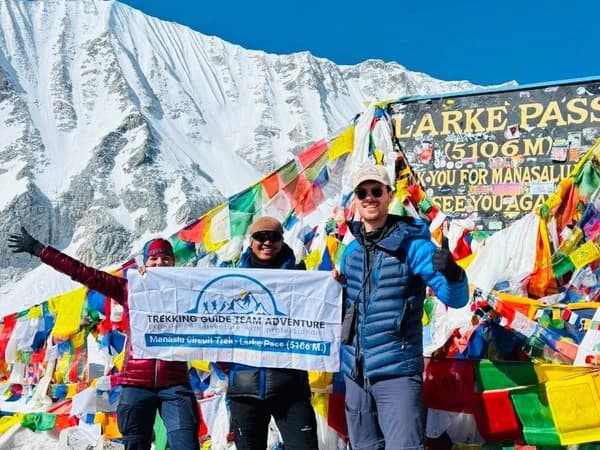
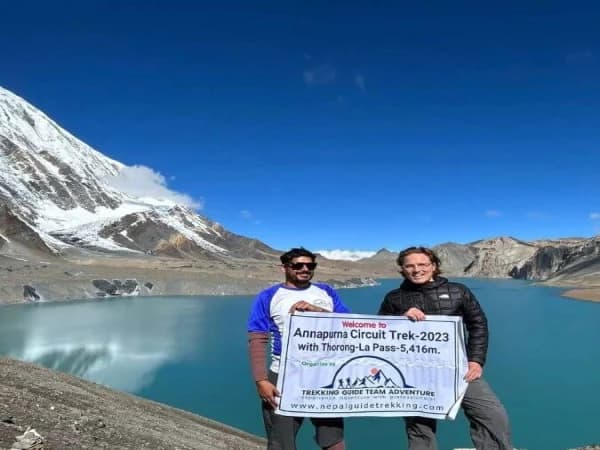
The Annapurna Circuit is a loop around the Annapurna massif, crossing the Thorong La Pass at 5,416m before descending to the pilgrimage town of Muktinath. Unlike EBC, you traverse two climate zones, moving from subtropical valleys in the east to the arid Tibetan plateau in the west. The route also passes through Manang, Pisang, and Kagbeni, each with a distinct character.
Duration runs from 16 to 21 days for the full circuit. Sections of the old trail have been replaced by a road in recent years, so a good operator will adjust your route to keep you on the walking path where it counts.
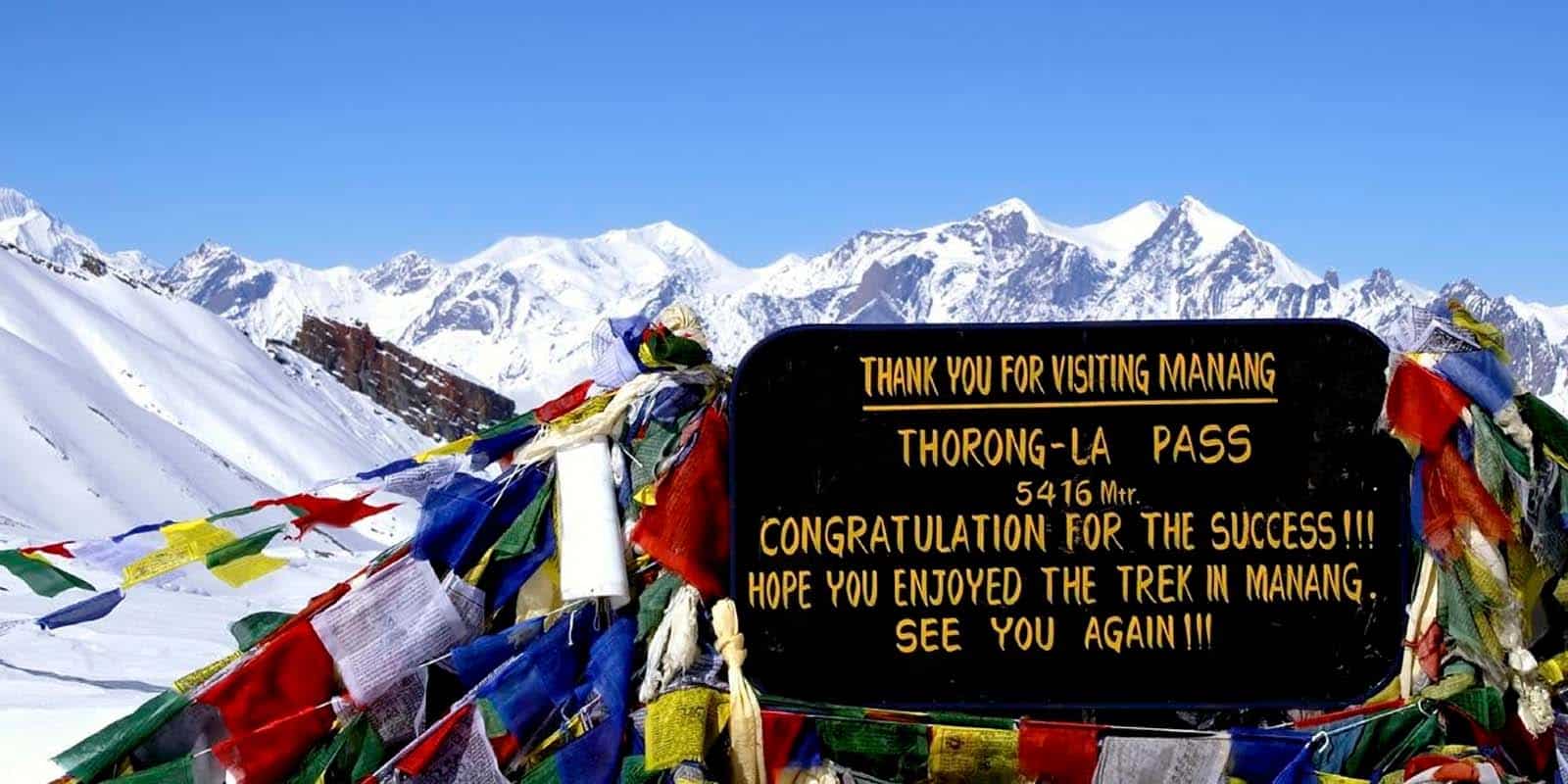
Both treks take you above 5,300m, which is high enough that altitude sickness is a genuine risk for anyone. EBC reaches 5,364m at Base Camp. The Annapurna Circuit crosses Thorong La at 5,416m, technically higher. Still, the key difference is the crossing itself: Thorong La is a single-day push of 1,600m vertical gain, typically done in five to seven hours. On EBC, you gain altitude more gradually over several days.
Advantage for acclimatisation: EBC. The itinerary builds acclimatisation days in at Namche Bazaar and Dingboche. The Annapurna Circuit also acclimatises at Manang, but the Thorong La crossing demands a sustained effort on the day.
EBC averages 10 to 16km per day on a rocky, well-maintained trail. The Annapurna Circuit covers more ground daily on average, with greater variation in terrain from paddy fields to high-altitude desert. Days leading to Thorong La can cover 20km or more.
Both treks demand a solid aerobic base. You should be comfortable hiking for six to eight hours a day with a loaded daypack. For EBC, consistent uphill fitness is the priority. For the Annapurna Circuit, endurance over longer days matters more, particularly in the days approaching and crossing the pass.

For EBC, you'll need the Sagarmatha National Park entry permit and a TIMS card. For the Annapurna Circuit, you need the ACAP (Annapurna Conservation Area Permit) and a TIMS card. Permit costs are comparable. Both treks also require a licensed guide under Nepal's trekking regulations for high-altitude routes.
Realistic estimates for a guided trek with teahouse accommodation and three meals per day:
The Annapurna Circuit can come in slightly lower because teahouse costs in the Annapurna region are generally cheaper than in the Khumbu. However, the longer duration means more nights and more meals. Budget travelers often find the Annapurna Circuit better value; trekkers on shorter timelines tend to find EBC more cost-efficient per day.

EBC gives you a single, sustained focus: the Khumbu Icefall, the wall of 8,000m peaks above Base Camp, and the high drama of Kala Patthar. The Sherpa culture along the route is deeply immersive, and villages like Namche Bazaar and Tengboche have a character built over centuries of high-altitude trade.
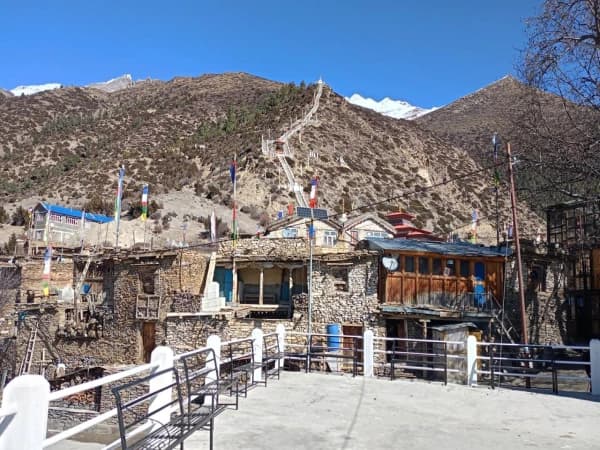
The Annapurna Circuit is more varied. You move from lush subtropical forests to the stark brown valleys of Mustang. You pass ancient Buddhist monasteries and Hindu pilgrimage sites. The views from the top of Thorong La are panoramic across multiple ranges. If visual variety is what drives you, the Circuit delivers more per kilometer.
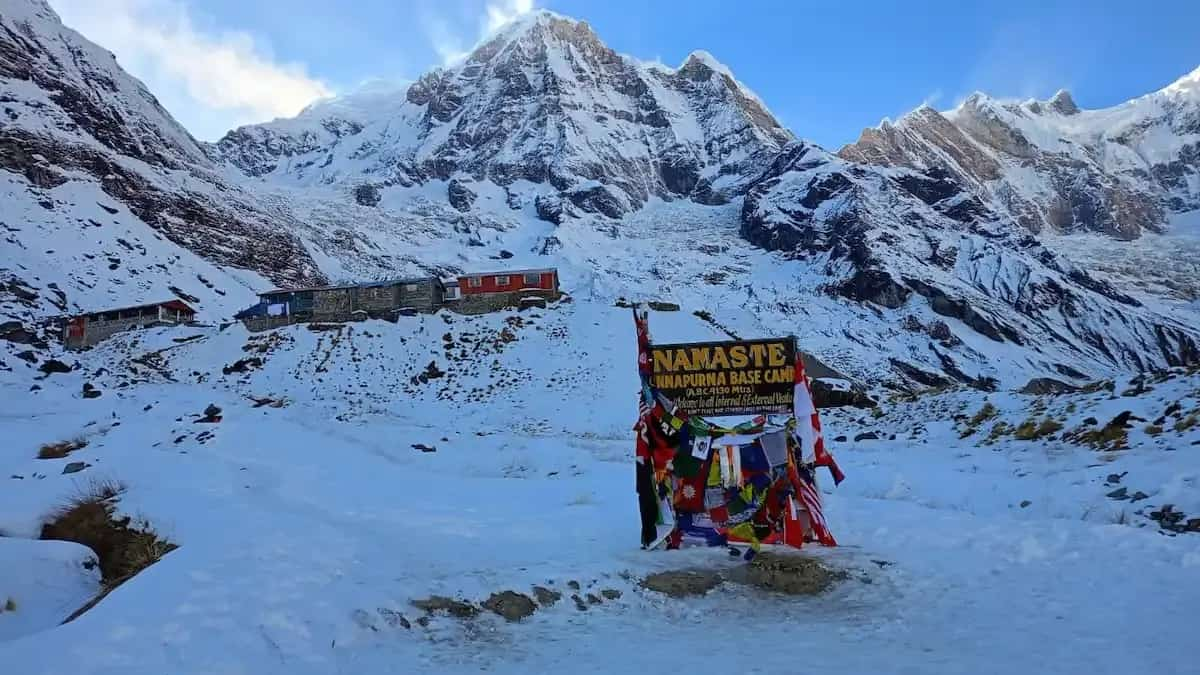
EBC is busy, particularly in April, May, and October. The Khumbu's popularity means teahouses fill up, trail sections are congested, and the atmosphere at Base Camp itself can feel surprisingly well-trafficked. Early morning starts and careful itinerary planning help, but solitude is not EBC's selling point.
The Annapurna Circuit is quieter by comparison, particularly outside October and November peaks. The western sections of the circuit — Mustang side — feel considerably more remote. If you want space and a sense of genuine wilderness, the Circuit has the edge.
EBC: March to May and September to November are the two peak windows. March and April offer stable weather and clear mornings. October and November are the busiest months but deliver the most reliable visibility. Winter months (December to February) are cold but feasible for experienced trekkers.
Annapurna Circuit: October and November again top the list, particularly for the Thorong La crossing. March and April work well with fewer crowds than autumn. The eastern approach trails are slippery and wet from July through August.
First-time trekker in Nepal: Choose EBC. The trail is straightforward, the acclimatisation schedule is well-structured, and reaching Base Camp is an unambiguous goal. The shorter duration (12 to 14 days) also helps if your leave is limited.
Experienced trekker with time to spare: Choose the Annapurna Circuit. The terrain variety, the Thorong La crossing, and the cultural depth of the Mustang descent reward trekkers who want something with more moving parts.
Budget traveler: The Annapurna Circuit has a slight edge. Teahouse prices are lower, and you avoid the domestic Lukla flights (USD $200 to $350 return from Kathmandu).
Comfort or luxury traveler: EBC wins. The Khumbu has better-developed lodge infrastructure at key stops, and the shorter route makes it easier to splurge without blowing the total budget.
Trekker who wants fewer crowds: Annapurna Circuit, with an October start in the first or third week to avoid the busiest days around Dashain and Tihar holidays.
Browse full itineraries, pricing, and group dates for both routes:
|
|
Not sure which is right for you? Send us a message and we'll give you a straight answer based on your fitness level, timeline, and budget.
.webp&w=1200&q=75&dpl=dpl_E7WFSfpfFarQhQrrUmYZuK17D6bV)