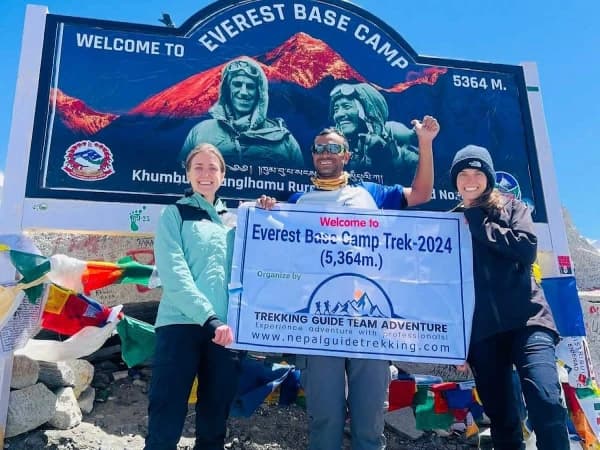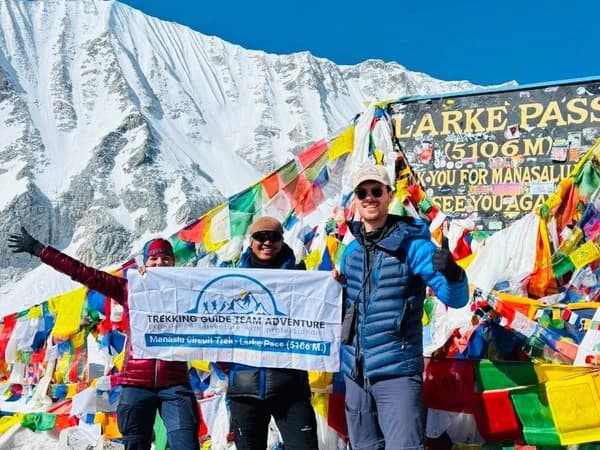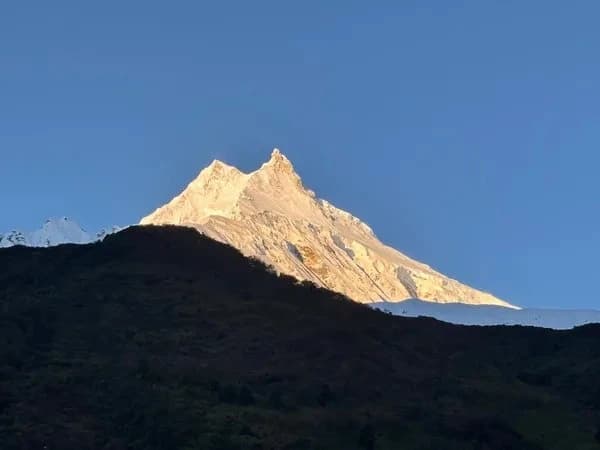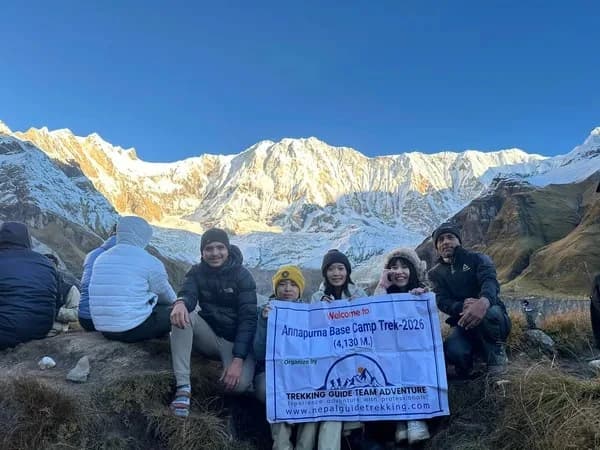
Two windows give you the best chance of clear skies, stable weather, and reliable Lukla flights on the Everest Base Camp trek. Everything else involves a trade-off worth understanding before you book.
This guide covers every month honestly — what you get, what you give up, and which type of trekker each season suits.
The Two Best Seasons for Everest Base Camp
October to November — the best overall window
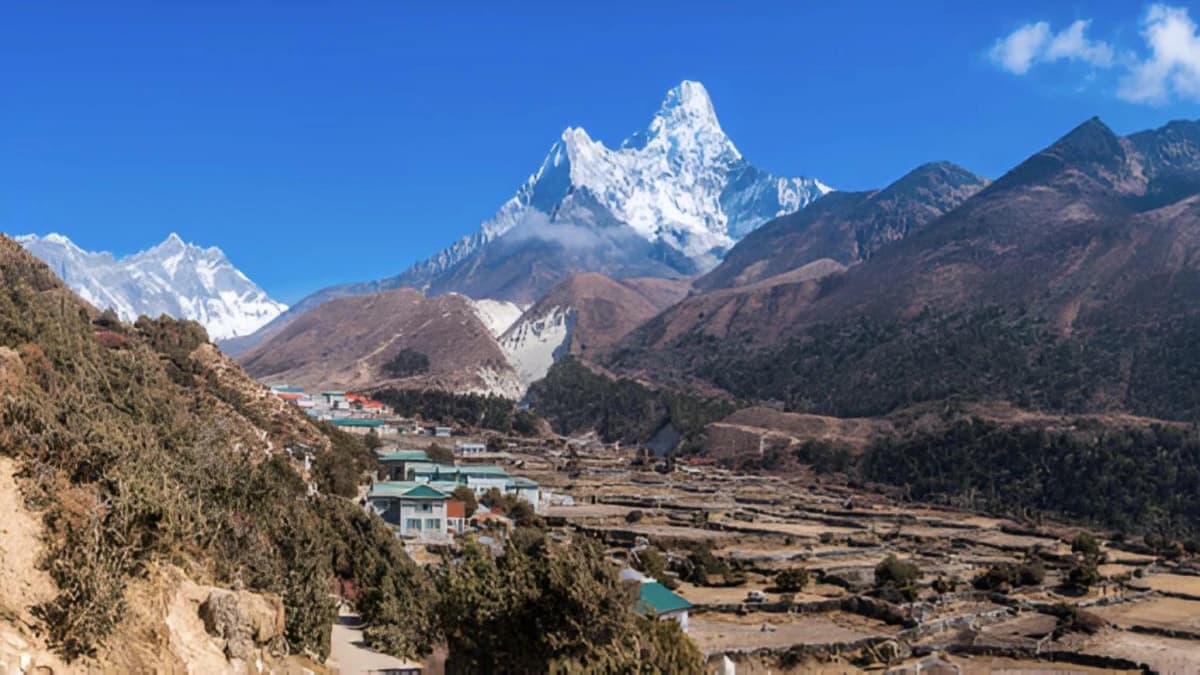
October is the peak month on the EBC trail, and for good reason. The monsoon ends in late September and leaves the Himalayan sky exceptionally clear. The Khumbu peaks — Everest, Lhotse, Nuptse, Ama Dablam — are visible on most days from Namche Bazaar onwards. Temperatures at EBC in October range from minus 5 to minus 10 degrees Celsius overnight, dropping further in November but remaining manageable.
Trail conditions are excellent. Paths are dry after the monsoon, rivers are at normal levels, and the forest between Lukla and Namche is lush and green. Lukla flights are at their most reliable in October and November — fewer weather cancellations than any other season.
Early November extends the good conditions while thinning the October crowds. Late November is cold — temperatures at Gorak Shep can reach minus 20 to minus 25 degrees Celsius overnight — but teahouses remain open and the trail is quiet.
March to May — the second best window
Spring brings a different aesthetic to the lower Khumbu. Rhododendron forests between Lukla and Namche bloom from late March through April — vivid crimson and pink trees lining the trail at lower elevations. Temperatures are warmer at lower altitudes, making the first days from Lukla to Namche more comfortable than in autumn.
Mountain visibility in March and April is very good, slightly behind October in consistency. May introduces afternoon convective cloud that reduces summit visibility, particularly above 4,000m. Complete the trek before mid-May if possible.
Spring is also Everest climbing season. In May, expedition teams are active on the mountain. From Base Camp and Kala Patthar, fixed lines, climber activity, and support helicopters are visible on the mountain. For most trekkers this is an addition to the experience rather than a detraction.
Month-by-Month EBC Conditions

|
Month |
Overall Rating |
Mountain Visibility |
Temp at EBC (night) |
Crowds |
Lukla Flights |
|
January |
Poor |
Good on clear days |
-20°C to -30°C |
Very low |
Moderate — fog risk in KTM |
|
February |
Poor to fair |
Good |
-15°C to -25°C |
Very low |
Improving |
|
March |
Good |
Very good |
-10°C to -15°C |
Growing |
Reliable |
|
April |
Excellent |
Excellent |
-5°C to -10°C |
High |
Reliable |
|
May |
Good (early) / Poor (late) |
Good early, cloudy by afternoon |
-5°C to -10°C |
High — Everest season |
Variable — pre-monsoon cloud |
|
June |
Not recommended |
Poor |
0°C to -5°C |
Low |
Frequent delays |
|
July |
Not recommended |
Very poor |
0°C to +5°C |
Very low |
Frequent cancellations |
|
August |
Not recommended |
Very poor |
0°C to +5°C |
Very low |
Frequent cancellations |
|
September |
Poor (late Sep: improving) |
Clearing from mid-month |
0°C to -5°C |
Low |
Improving late month |
|
October |
Best |
Excellent |
-5°C to -10°C |
Very high |
Most reliable of year |
|
November |
Excellent |
Excellent |
-10°C to -25°C |
Moderate to high |
Reliable |
|
December |
Poor to fair |
Good |
-15°C to -25°C |
Very low |
Moderate — cold fog risk |
Why Monsoon Season Is Wrong for EBC
June to September is not just uncomfortable — it is the wrong season for EBC for specific reasons that go beyond rain:
-
Mountain visibility: The Khumbu peaks are covered in cloud on most days from late June through September. The Kala Patthar sunrise that defines the EBC experience is largely inaccessible during monsoon. You may complete a 15-day trek without seeing Everest clearly once.
-
Trail conditions: The section from Lukla to Namche becomes muddy and slippery. Leeches appear at lower elevations in the forest. Suspension bridges over the Dudh Koshi river can flood.
-
Objective risk above 4,000m: Rockfall and avalanche risk increases on the upper Khumbu during monsoon due to saturated terrain and freeze-thaw cycles. The trail from Lobuche to Gorak Shep carries higher objective risk in these conditions.
-
Lukla flights: Monsoon months produce the highest rate of cancellations and diversions of any season. Multi-day delays at Lukla or Ramechhap are common, making fixed international departure dates genuinely risky to plan around.
For full detail on how Lukla flights work, cancellation rates by season, and what to do when flights are delayed, see the Lukla flight guide on the Trekking Guide Team Adventure blog.
Winter Trekking on EBC: December to February

The EBC trail in winter is for experienced cold-weather trekkers who prioritise solitude over comfort. The mountains are exceptionally clear on winter days — the dry, cold air produces the best visibility of any season. But the trade-offs are significant:
-
Temperature: Gorak Shep in January reaches minus 25 to minus 30 degrees Celsius overnight. A sleeping bag rated to minus 25 degrees Celsius minimum is non-negotiable. Daytime temperatures above 4,500m rarely exceed minus 10 degrees even in sunshine.
-
Teahouses: Most teahouses are open but some at lower elevations close in January and February. Confirm availability with your operator before booking.
-
Trail: Snow above 4,000m is possible throughout winter. The Lobuche to Gorak Shep section may require microspikes. Kala Patthar approach can be icy before sunrise.
-
Crowds: The trail is nearly empty. On some sections above Namche you will encounter fewer than ten trekkers per day — a completely different experience from October.
Lukla Flights and the Best Time for EBC

Lukla flight reliability directly affects how the season choice plays out in practice. A season with good weather on the mountain but poor Lukla flight reliability is a problem for trekkers with fixed international departure dates.
Most reliable: October and November. Fewest cancellations and diversions of the year.
Reliable: March and April. Good flight conditions with occasional disruptions.
Variable: May, December, February. Manageable with buffer days built into the itinerary.
Unreliable: June to September. Monsoon cloud and precipitation cause frequent multi-day delays. January fog in Kathmandu valley affects morning departure slots.
Ramechhap Airport: During peak October and spring seasons, many Kathmandu-Lukla flights operate from Ramechhap (a 6 to 7-hour drive from Kathmandu). This is standard practice and is accounted for in the Trekking Guide Team Adventure itinerary. Do not treat it as an unexpected inconvenience — plan for it.
Build a minimum of two buffer days between your Lukla landing and your international departure flight regardless of season. The Trekking Guide Team Adventure 15-day EBC itinerary already includes these at the Lukla end.
Who Should Go in Which Season
Choose October to November if:
-
You want the highest probability of clear mountain views and a reliable Kala Patthar sunrise
-
This is a once-only trip and conditions matter more than anything else
-
You are booking at least 3 months ahead and can secure teahouse reservations in advance for Lobuche and Gorak Shep
-
You are comfortable with a busier trail — October is the most crowded month of the year above Namche
Choose March to April if:
-
You want to see rhododendron forests in bloom on the lower Khumbu approach
-
You are interested in the Everest climbing season activity visible from Base Camp in May
-
October dates conflict with your schedule or are fully booked
-
Warmer daytime temperatures at lower elevations are important to you
Consider winter (December or February) if:
-
Solitude is the priority — the trail is exceptionally quiet
-
You have prior cold-weather high-altitude trekking experience
-
You have appropriate gear including a minus 25-degree sleeping bag and full cold-weather layering system
For a full difficulty breakdown and day-by-day trail conditions, see the Everest Base Camp trek difficulty guide on the Trekking Guide Team Adventure blog.
For the full EBC itinerary and booking information, see the Everest Base Camp Trek — 15 Days at nepalguidetrekking.com.
Frequently Asked Questions
What is the single best month to trek Everest Base Camp?
October. Post-monsoon skies are at their clearest, trail conditions are dry and stable, temperatures at EBC are cold but manageable (minus 5 to minus 10 at night), and Lukla flights are at their most reliable. The trade-off is crowds — October is the busiest month on the trail, and teahouses at Lobuche and Gorak Shep fill quickly. Book at least 3 to 4 months ahead for October departures.
Is spring or autumn better for EBC?
Autumn has a slight edge for first-time EBC trekkers — post-monsoon air clarity is consistently better than spring, and weather stability is higher throughout October and November. Spring is excellent in March and April and offers the rhododendron forest experience on the lower trail. If this is a once-only trip and you want the highest probability of a clear Kala Patthar sunrise, choose October.
Can you trek EBC during the monsoon?
Technically yes, but it is the wrong choice for most trekkers. Mountain views are blocked by cloud on most monsoon days, trail conditions are slippery and leech-affected at lower elevations, and Lukla flight delays are common and multi-day. The few reasons to consider monsoon EBC — solitude, green landscapes, lower teahouse prices — do not justify giving up the mountain visibility that makes the trek worthwhile for most people.
How far in advance should I book an EBC trek for October?
3 to 4 months minimum for October departures. The best operators fill their October slots by July, and teahouse availability at Lobuche and Gorak Shep becomes difficult to guarantee if booking later. Lukla flights during peak October also book out — the Trekking Guide Team Adventure 15-day package handles all flight bookings as part of the package. Contact the team by July for October and by December for April.