The Manaslu Circuit Trek has earned a reputation as one of Nepal's most rewarding long treks and one of its more demanding ones. If you're trying to figure out whether it's within your reach, the answer is probably yes. But only if you go in with accurate expectations, not a sanitised version of what the trail is actually like.
This guide breaks down exactly what makes the Manaslu Circuit difficult, how it compares to other Nepal treks, and what you can do to give yourself the best chance of completing it comfortably.
How Difficult Is the Manaslu Circuit Trek?
The Manaslu Circuit Trek is rated moderate to challenging, harder than Annapurna Base Camp, roughly comparable to the Annapurna Circuit, and arguably more demanding than Everest Base Camp in certain practical ways.
The maximum elevation is 5,106 metres at Larkya La Pass. That puts it firmly in high-altitude territory, where altitude sickness is a real risk and acclimatisation is non-negotiable. But altitude alone does not tell the full story.
What makes Manaslu harder than many treks at similar elevations is the combination of factors working against you at once: long daily walking hours, genuinely remote terrain, limited infrastructure compared to the Everest or Annapurna regions, and a restricted-area permit system that requires a registered guide. You cannot just turn up and wing it.
That said, thousands of trekkers complete it every season. It is not technically difficult, no ropes, no ice climbing, no mountaineering skills required. What it demands is physical fitness, altitude awareness, and mental endurance.
What Makes the Manaslu Circuit Trek Difficult?
Altitude and Larkya La Pass (5,106m)
The high point of the trek is Larkya La Pass at 5,106 metres. To put that in context, the air at that altitude contains roughly half as much oxygen as it does at sea level. Even fit trekkers who train seriously can feel the effects.
The ascent to Larkya La typically starts around 3 AM to cross before afternoon winds and weather move in. By the time you reach the pass, you have been walking for several hours in cold, dark conditions, often with snow on the ground, before a long descent to Bimtang. It is a 10 to 12-hour day, frequently cited as the hardest day on the route.
Altitude sickness symptoms to watch for:
- Persistent headache
- Nausea or vomiting
- Dizziness or disorientation
- Difficulty sleeping at altitude
- Loss of appetite
Serious forms, HACE (High Altitude Cerebral Edema) and HAPE (High Altitude Pulmonary Edema), are rare but can escalate quickly. Carrying Diamox and knowing when to descend are both important. A good guide will monitor you closely.
The standard itinerary builds in acclimatisation days at Samagaon and sometimes Samdo. Do not skip these, regardless of how good you feel.
Long Daily Walking Hours
Most days on the Manaslu Circuit involve 6 to 8 hours of walking, with some days pushing 9 to 10 hours. These are not casual hiking days. The terrain is uneven, the trail often climbs steeply, and you are carrying a daypack at altitude.
What catches people off guard is the accumulation. After five or six consecutive days of long trekking, even well-conditioned hikers feel it in their legs and knees. There are relatively few true rest days built into the standard itinerary.
Remote Terrain and Limited Infrastructure
The Manaslu region is a restricted conservation area. There are far fewer trekkers here than on the Everest or Annapurna trails, which is part of its appeal, but it also means thinner infrastructure.
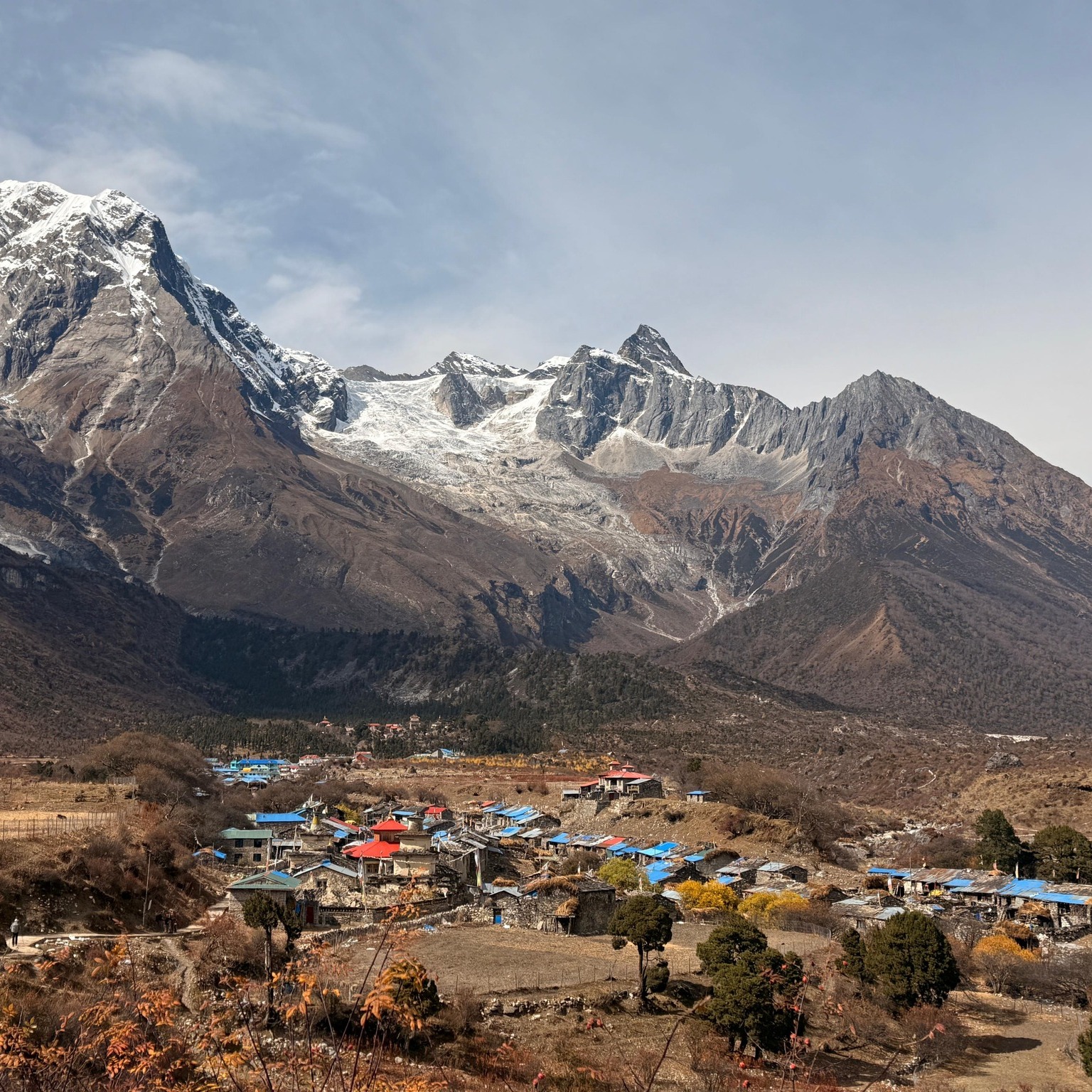
Teahouses exist throughout the route, but standards vary significantly. In the lower valleys, you will find reasonably comfortable lodges. Higher up, past Dharapani and into the upper Budhi Gandaki gorge, expect basic rooms, cold conditions, and limited menu options. Hot showers are not guaranteed. WiFi is unreliable. Charging your electronics may cost extra.
Rescue access is also more limited. Helicopter evacuations are possible but depend on the weather and can be slow to coordinate. This is not a trail where a minor health issue stays minor if you ignore it.
Steep Ascents, Descents, and Trail Conditions
The Manaslu Circuit is not a gradual mountain walk. The trail frequently involves:
- Long stone staircases worn smooth over centuries
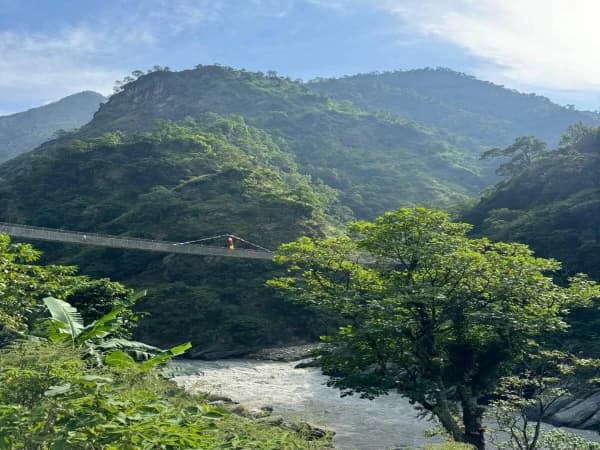
- Suspension bridges over deep gorges
- Narrow cliff-edge paths
- Loose scree on higher sections
- Muddy, slippery trails in wet conditions
The descent from Larkya La is particularly demanding on the knees. Trekking poles are practical equipment on this route, not optional extras.
Weather Challenges
Temperature drops sharply above 3,500 metres. At Lho, Samagaon, and higher camps, night temperatures can fall well below freezing even in the main seasons. The pass crossing day in particular requires proper cold-weather gear.
Snow on or near Larkya La is possible even in October and November. Early winter and late autumn treks have been stopped by early snowfall blocking the pass. Trekking during monsoon (June to August) is possible in theory but involves trail flooding, leeches, landslide risk, and poor visibility.
Is Manaslu Circuit Trek Harder Than Everest Base Camp?
A direct comparison helps put the difficulty in context. Here is how the two routes stack up across the factors that matter most:
| Factor |
Manaslu Circuit |
Everest Base Camp |
| Max Altitude |
5,106m (Larkya La Pass) |
5,364m (Base Camp) |
| Trail Condition |
Rough, mixed terrain |
Well-maintained, busy trail |
| Crowds |
Low to moderate |
High, especially in season |
| Remoteness |
High |
Moderate |
| Accommodation |
Basic to moderate |
Better-developed teahouses |
| Physical Demand |
Moderate to challenging |
Moderate to challenging |
| Rescue Access |
Limited |
Better (Lukla nearby) |
| Guide Required |
Yes (by law) |
No (but recommended) |
EBC reaches a higher altitude, but the Everest region trail is more developed, better supported, and has more trekkers around you. If something goes wrong on Manaslu, resolution takes longer.
Many experienced trekkers describe Manaslu as mentally harder than EBC, not because the trail is technically more demanding, but because the remoteness, basic accommodation, and parts test your resolve in ways the Everest highway does not.
If you have done EBC and found it manageable, Manaslu is achievable. If you have never trekked at altitude before, EBC or the Annapurna Circuit might be a better starting point for building experience.

Can Beginners Do the Manaslu Circuit Trek?
Technically, yes. Practically, it depends on your definition of beginner.
If you have never hiked more than a few hours in your life and have no altitude experience, the Manaslu Circuit is not the right first trek. The combination of altitude, remote terrain, and multi-week duration creates more variables than a first-timer should manage at once.
If you are new to Nepal trekking but have done multi-day hiking at home, in the Alps, Rockies, Scottish Highlands, or similar terrain, and you are willing to invest in proper preparation, it becomes more achievable.
If Manaslu feels like a stretch, doing the Annapurna Base Camp or Everest Base Camp Trek first builds the specific experience that makes Manaslu significantly more manageable.
How Fit Do You Need to Be for the Manaslu Circuit Trek?
You do not need to be an athlete, but you do need a genuine baseline of cardiovascular fitness and leg endurance. Anyone who has not exercised regularly in the six months before the trek will struggle.
Minimum realistic fitness markers:
- Able to hike 6-8 hours on consecutive days without significant recovery needed the following morning
- Comfortable climbing extended uphill (500-700m elevation gain in a session)
- Basic core strength for balance on uneven terrain
Training recommendations:
- Cardio: Running, cycling, swimming, or stair machine, four to five sessions per week. Build duration gradually. The goal is aerobic base, not speed.
- Hiking practice: Get out on actual trails with a loaded pack. Gym fitness and trail fitness are not the same thing. Aim for at least one or two multi-day hikes in the 8 to 12 weeks before departure.
- Stair training: Repeatedly climbing stairs with a loaded pack is one of the most efficient Manaslu-specific training exercises. It mimics the actual demands of the trail better than flat running.
- Strength endurance: Lunges, step-ups, and single-leg exercises protect knees on descent. This is often neglected and often regretted.
Preparation timeline: Allow a minimum of 8 to 10 weeks of structured training. More is better. If you are starting from a low fitness base, 16 weeks is not unreasonable.
How to Prepare for the Manaslu Circuit Trek
Physical training: Follow the fitness framework above. Consistency matters more than intensity. Do not ramp up sharply in the final two weeks before departure.
Gear: Use a layer system for cold conditions, bring rain gear, waterproof boots that are already broken in, trekking poles, a sleeping bag rated to -10 degrees Celsius or colder, and sun protection for altitude. Do not bring untested gear and wear it for the first time on the trail.
Altitude awareness: Read about altitude sickness before you go, not to scare yourself, but so you recognise symptoms and know when to act. Consult a doctor about Diamox if appropriate for your situation.
Insurance: High-altitude helicopter evacuation from remote Nepal is expensive. Trekking insurance that explicitly covers helicopter rescue at altitude above 5,000m is not optional. Read the policy carefully. Many standard travel insurance policies exclude it.
Guide and support: A registered local guide is legally required for the Manaslu region. Beyond the legal requirement, an experienced guide provides route knowledge, cultural context, health monitoring, and logistics support that meaningfully reduces risk.
Mental preparation: Multi-week remote trekking tests patience and adaptability. Expect basic accommodation, limited food variety, cold nights, and days when you feel uncertain. Accepting discomfort in advance makes it much easier to manage in the field.
Best Time to Trek Manaslu to Avoid Extra Difficulty
Autumn (October to November): The standard recommendation, and for good reason. Stable weather, clear skies, moderate temperatures, and the best conditions for crossing Larkya La Pass. The trail is busier than other times of year but still quiet compared to Everest or Annapurna.
Spring (March to May): Also reliable, with warming temperatures and rhododendron forests in bloom in the lower valleys. Late May brings pre-monsoon instability. Early April to mid-May is the dependable window.
Winter (December to February): Cold and serious. Larkya La may be blocked by snow. Teahouses at higher elevations close. Suitable only for experienced winter trekkers with full awareness of the risks.
Monsoon (June to September): Trail conditions deteriorate significantly. Landslides, leeches, flooding, and near-constant cloud cover. Not recommended unless you have specific reasons and prior experience.
Tips to Make the Manaslu Circuit Trek Easier
- Walk slowly. The most common mistake on altitude treks is moving too fast, especially early in the trip. Find a pace you can sustain for hours and hold it.
- Hydrate consistently. Aim for 3 to 4 litres per day. Altitude increases dehydration rate. Do not wait until you are thirsty.
- Use trekking poles. They reduce knee stress by an estimated 25 percent on descents and help maintain balance on rough terrain.
- Follow acclimatisation schedules. Do not skip rest days to save time. Altitude sickness from rushing costs far more time than the days you saved.
- Pack light. A heavy pack compounds fatigue at altitude. Porter your heavy bag if needed.
- Eat well, even when not hungry. Altitude suppresses appetite. Eat anyway.
- Sleep at appropriate elevations. The climb-high, sleep-low principle exists for good reason.
- Listen to your guide. A qualified local guide has seen what happens when trekkers do not.
Is the Manaslu Circuit Trek Worth the Challenge?
For the right trekker, yes, genuinely.
The Manaslu region does not get the footfall of the Everest or Annapurna corridors. That means trail sections where you will walk for hours without seeing another foreign trekker. Villages where locals are not primarily oriented toward tourism. A sense of actual remoteness that is increasingly rare in accessible Himalayan trekking.
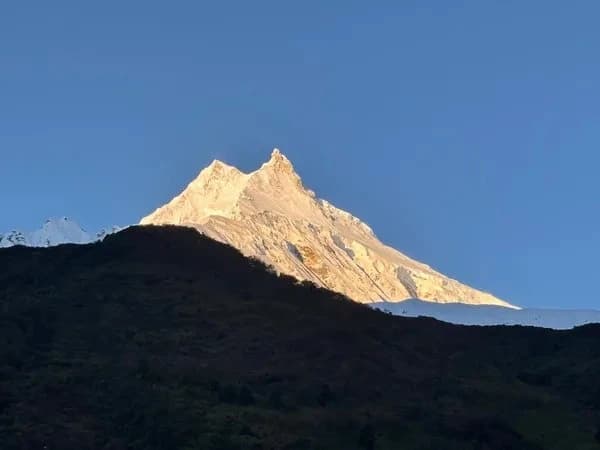
The mountain scenery, Manaslu (8,163m), Himalchuli, Ngadi Chuli, and the dramatic Budhi Gandaki gorge, is comparable to the best in Nepal. The cultural experience through Tibetan-influenced villages like Samagaon and Lho is distinct and worth experiencing on its own terms.
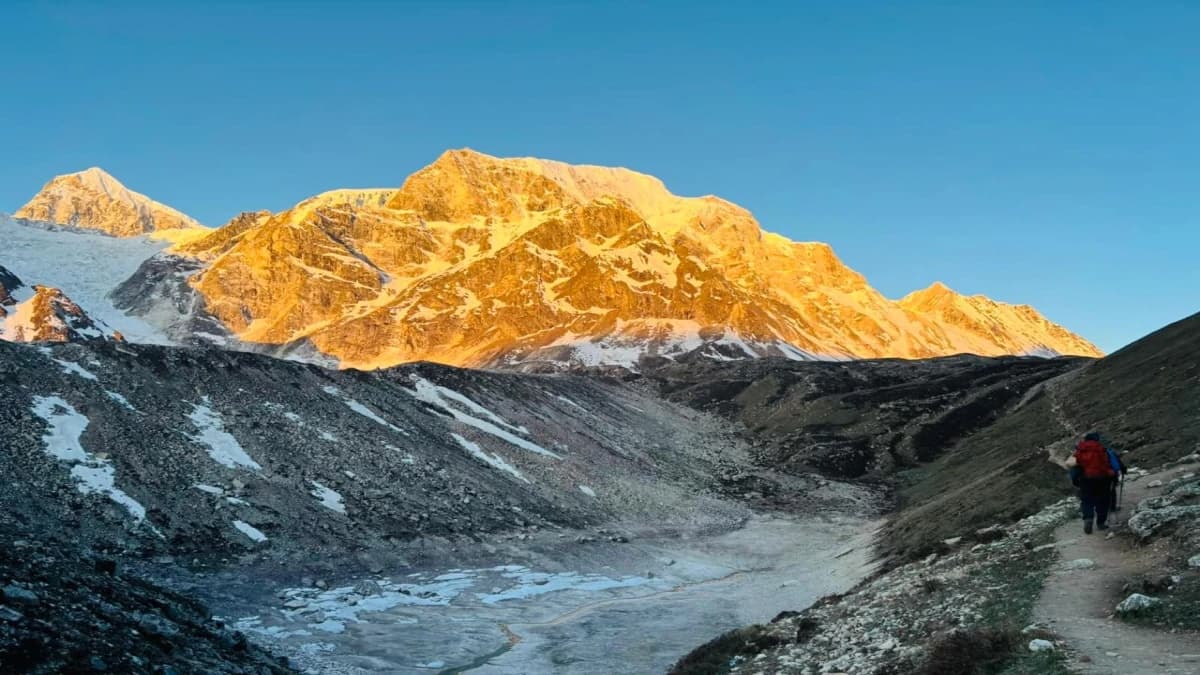
And then there is the pass. Crossing Larkya La in the early morning, watching the light come up over the Himalaya with a few kilometres of effort still ahead of you, is the kind of experience that justifies the preparation it took to get there.
Frequently Asked Questions
Is the Manaslu Circuit Trek safe?
Yes, for prepared trekkers with proper guidance. The main risks, altitude sickness, remote evacuation difficulty, and weather, are manageable with the right itinerary, a qualified guide, and appropriate insurance. It is not a casual walk, but it is a well-established trekking route completed by thousands of trekkers each season.
What is the hardest day on the Manaslu Circuit?
Larkya La Pass day. You typically start between 2 and 4 AM for a 10 to 12-hour day involving the final ascent to 5,106m followed by a long, steep descent to Bimtang. It tests you at every level, physically, mentally, and in terms of altitude and cold.
How difficult is crossing Larkya La Pass?
Difficult by any normal standard. The ascent involves several hours on rocky, often snowy trail at altitude. The descent is long and steep. You need good fitness, proper cold-weather gear, and to have acclimatised thoroughly at Samagaon. Most trekkers who make it to this point complete the pass, but it should not be underestimated.
Can older trekkers complete the Manaslu Circuit?
Age is less relevant than fitness and acclimatisation. Trekkers in their 50s and 60s complete Manaslu regularly. If you are fit, have managed altitude reasonably before, and use a pace-focused itinerary, age is not the limiting factor. Consult your doctor beforehand, especially regarding altitude and any cardiovascular considerations.
Is altitude sickness common on Manaslu?
Mild symptoms such as headache, fatigue, and mild nausea are common above 3,500 metres. Serious altitude illness is much less common when trekkers follow acclimatisation schedules, ascend gradually, and do not ignore early symptoms. The risk is real but manageable.
Do I need previous trekking experience?
Not mandatory, but strongly advisable. Multi-day hiking experience at home, particularly at elevation if possible, makes the altitude and physical demands significantly easier to handle. If you have no hiking background, start with shorter treks before committing to a 14 to 18-day remote route.