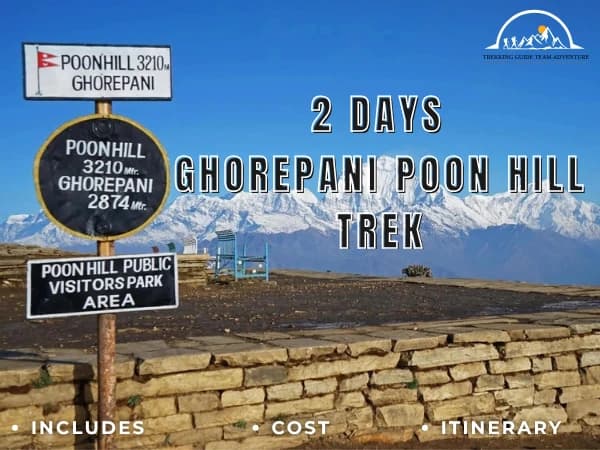
Complete the Ghorepani Poon Hill Trek From Pokhara Just in 2 Days
The Ghorepani Poon Hill Trek from Pokhara—2 Days is the trip for you if you only have two days to spare and want to see one of the most beautiful sunrises on Earth. This short trek in Nepal has a lot of beauty, culture, and mountain drama packed into a short itinerary that starts and ends in Pokhara. It's one of the easiest Himalayan experiences for travelers of all fitness levels to get to.
This full guide has everything you need to know about the 2-day Poon Hill trek, including the full itinerary, what to expect on the trail, the best time to go, permits, costs, what to pack, and answers to common questions.

Why Pick the Ghorepani Poon Hill Trek for Two Days?
There are many trekking routes in the Annapurna region, but few give you the same amount of reward for the amount of work you put in as the Ghorepani Poon Hill trek. In just two days, you can really see the beautiful landscapes of the Annapurna area: the sparkling snow-capped mountains, the green hills, and the friendly culture of the Gurung and Magar villages. The trek starts and ends in Pokhara and goes up to Poon Hill, which is 3,210 meters high. This is the famous sunrise spot where you can see more than 32 Himalayan peaks.
The two-day option is possible because you can take a jeep from Pokhara to Ulleri, which skips the longer walking parts of the traditional four-day itinerary. This is an excellent choice for those who are reasonably fit and juggling a packed schedule. It's ideal for solo travelers, couples, families, or small groups of friends seeking a brief trek close to Pokhara.
The Best Parts of the 2-Day Poon Hill Trek
The trek offers a lot of great experiences in such a short amount of time:
- A famous sunrise from Poon Hill, with the Annapurna and Dhaulagiri ranges behind you. A lot of people think this is one of the best places in Nepal to watch the sun rise.
- Spectacular vistas of mountains such as Dhaulagiri I (8,167m), Annapurna I (8,091m), Machhapuchhre (6,993m), Nilgiri, Hiunchuli, Tukuche, and Lamjung Himal.
- The oak and rhododendron forests are particularly stunning in March and April, when their blooms transform the trail into a vibrant display of reds, pinks, and whites.
- Getting to know the Gurung and Magar villages, where you can see how these Himalayan communities live and how friendly they are.
- Real Nepali food, like Dal Bhat and the Thakali Khana Set, is served at teahouses along the way.
- There are a lot of different types of forests along the trail, and there are a lot of places to start the hike. This keeps things interesting.
- Good for families, newcomers, and solo travelers alike; no advanced climbing expertise or equipment is required.
|
Ready to Experience the Poon Hill Sunrise? Book the 2-day Ghorepani Poon Hill trek from Pokhara — all transport, meals, guide & permits included. * Price varies by group size Book Ghorepani Poon Hill 2 Days TrekExplore More Ghorepani Poon Hill Treks |
What Awaits You on the Ghorepani Poon Hill Trek
Imagine departing the tranquil lakeside of Pokhara at dawn, then navigating the serpentine mountain roads until the Annapurna foothills come into view. By the afternoon, you are walking through forests so thick that sunlight comes in through the leaves in ribbons. As the sun goes down, you stand in the village of Ghorepani and look at the huge wall of Dhaulagiri. The next morning, you climb in the dark with a headlamp. As the sky changes from indigo to gold, the whole Annapurna massif comes into view, with each peak lit up by the sunrise.
This isn't just a hike; it's a way to get away from the everyday and into one of the most beautiful mountain amphitheaters in the world.
Ghorepani Poon Hill Trek 2 Days: A Detailed Itinerary
Day 1: Take a Jeep From Pokhara to Banthanti, Then Hike to Ghorepani
Your day starts with a ride from your hotel in Pokhara. A private jeep will take you from Pokhara to Banthanti, which is where the trek starts. The drive takes about three to four hours and goes through beautiful lowland villages, terraced fields, and river valleys. Along the way, you can see Machhapuchhre and Annapurna South.
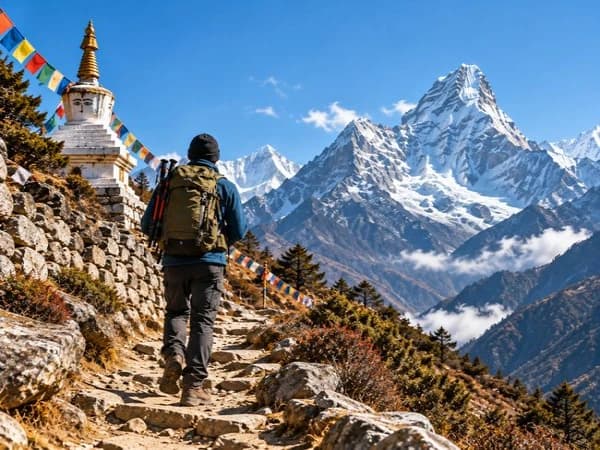
You start your hike to Ghorepani from Banthanti. The path goes up slowly through different kinds of plants. It begins with terraced fields and culminates in the thick forests of oak, pine, and rhododendron. Come March or April, the slopes beneath Ghorepani will be a riot of color, as over eight varieties of rhododendron burst into bloom. These flowers, which are Nepal's national flower, will paint the mountainside in shades of red, pink, and white.
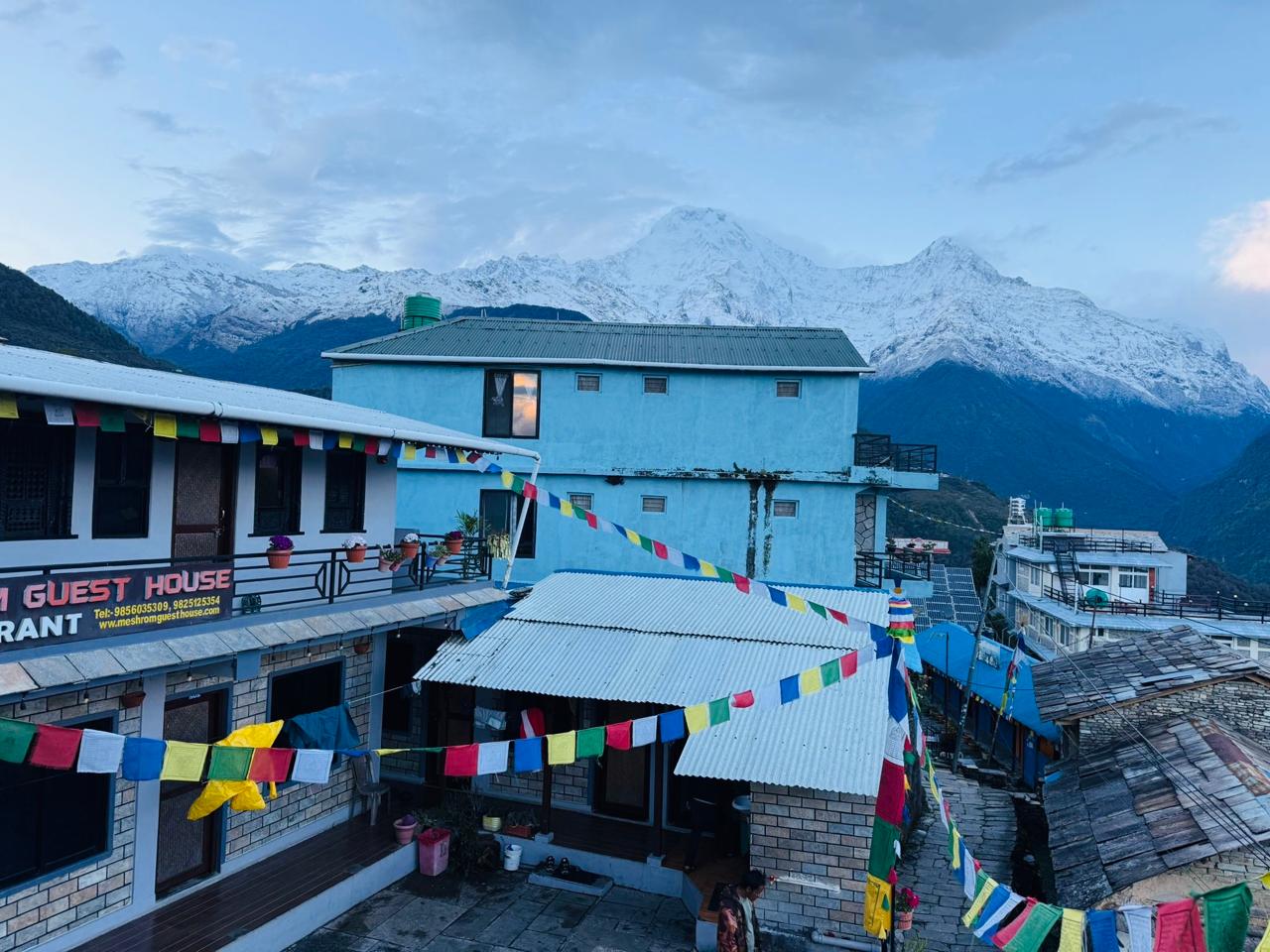
The mountain views get more and more dramatic as you go higher. The air gets cooler and crisper, and instead of the sounds of village life, you hear birds singing and the wind rustling through old trees. By late afternoon, you get to Ghorepani (2,874m), a beautiful mountain village that sits on a saddle between the Annapurna and Dhaulagiri ranges. Check in to your teahouse, get comfortable, and if you have the energy, walk to a nearby viewpoint to see the sunset over the mountains.
The teahouse serves dinner, which is usually a hearty Nepali meal like Dal Bhat, momos, or a Thakali thali. After dinner, you should go to bed early to get ready for the next day's highlight.
Day 2: Trek From Ghorepani to Poon Hill to See the Sunrise, Then Drive to Pokhara
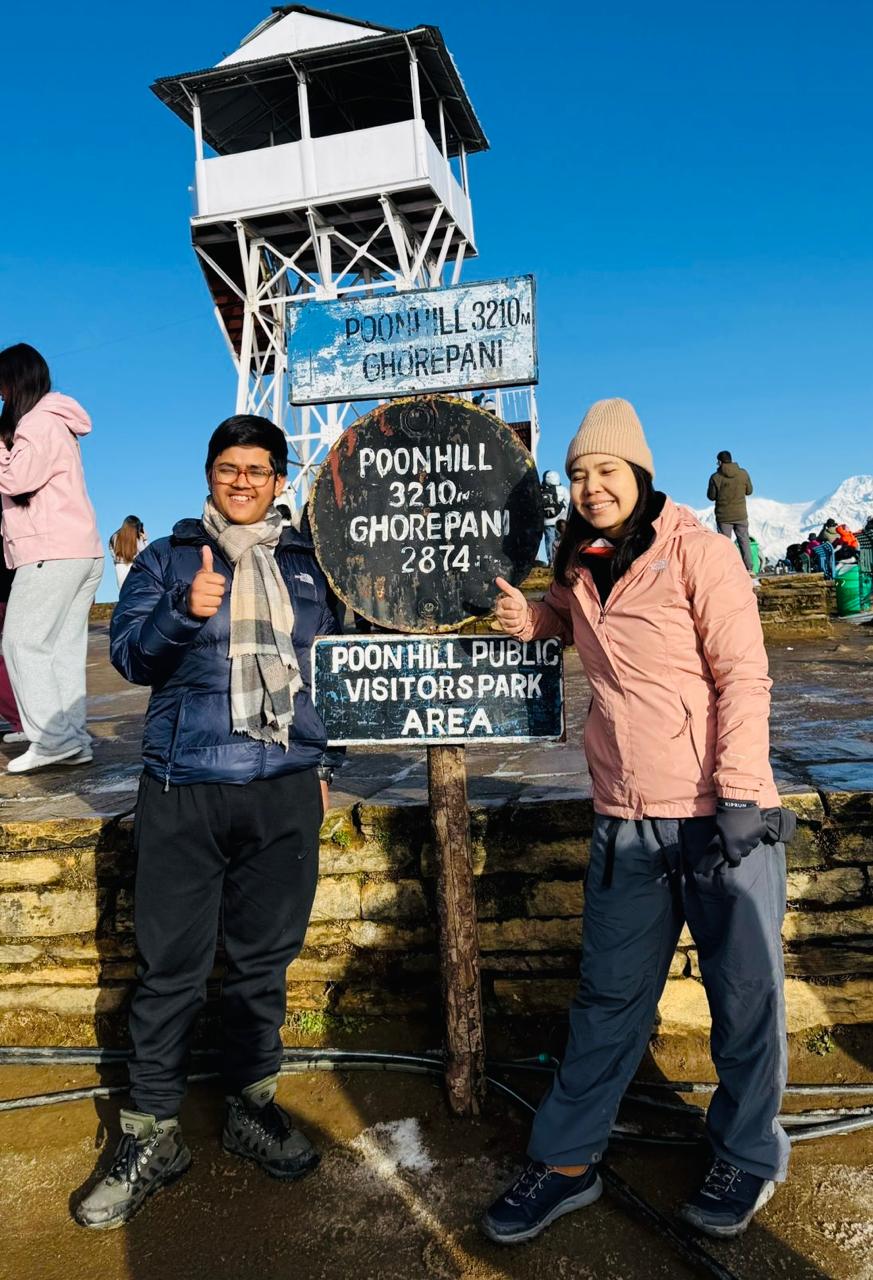
This is the day you came for. You get up before dawn, around 4:30 AM, and start the climb to Poon Hill (3,210m). The hike takes about 45 minutes to an hour, and you have to climb stone steps in the cold mountain air with a headlamp. Other hikers join the trail in a quiet, shared journey to the top.
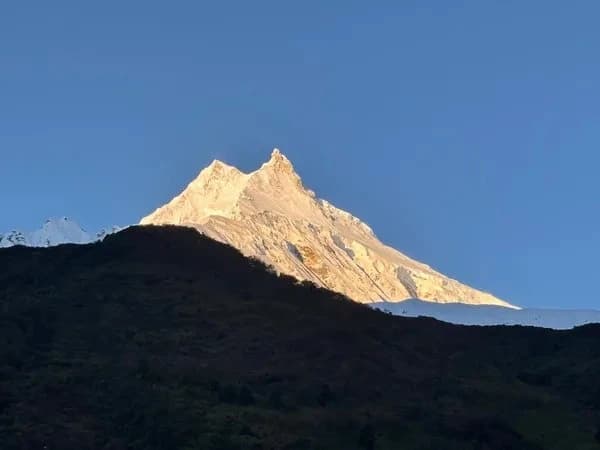
At the top, you can see all around you from Poon Hill. The sun's golden rays paint the snow-covered peaks in shades of orange, pink, and amber as it rises. There are a lot of peaks in the view, including Dhaulagiri I (8,167m), Tukuche Peak (6,920m), Nilgiri (6,940m), Annapurna South, Annapurna I (8,091m), Hiunchuli (6,441m), Machhapuchhre (6,993m), and many more. The famous Fishtail mountain, Machhapuchhre, is different from the rest because it has two peaks. Take some time to enjoy the views, take pictures, and just breathe in how big everything is around you.
After the sun rises, go back down to Ghorepani for breakfast. Get your things together and start walking down the hill through the forest, through villages, and finally to Birethanti. A private taxi will take you back to Pokhara from Birethanti. You will arrive by late afternoon, completing the entire trek in just two days.
Poon Hill's View of the Peaks
Poon Hill is known as one of the best places in the Himalayas to see the mountains. You can see more than 32 Himalayan peaks from the top, including:
- Dhaulagiri I (8,167m)
- Annapurna I (8,091m)
- Annapurna South (7,219m)
- Annapurna III (7,555m)
- Machhapuchhre / Fishtail (6,993m)
- Nilgiri (6,940m)
- Tukuche Peak (6,920m)
- Lamjung Himal (6,983m)
- Hiunchuli (6,441m)
There aren't many places in the world where you can see two 8,000-meter peaks, Dhaulagiri and Annapurna, from the same spot.
The Best Time for the Poon Hill Trek
You can do the trek at any time of year, but some times are much better than others.
Spring (March to May)
One of the best times to go. The weather is nice and warm, the rhododendron forests are in full bloom, and the views of the mountains are usually clear. This is when the trail looks the best and is the most colorful.
Autumn (September to November)
Many people think that autumn is the best time to go trekking in Nepal. The best mountain views of the year come in dry, cool weather. Trails are dry and easy to walk on, but teahouses can get crowded in October's busiest weeks.
Winter (December to February)
It gets very cold, especially at higher altitudes and during the Poon Hill climb before dawn. But the skies are usually very clear, and there aren't as many people on the trail. In January or February, you might even see snow on Poon Hill and along the trekking route.
Monsoon (June to August)
The trails get muddy and slippery, and clouds often block the views of the mountains. The forests are at their most lush green, but this is usually the least comfortable time to hike.
Trekking Permits for the Ghorepani Poon Hill Trek
You need two trekking permits for the Ghorepani Poon Hill trek: the Annapurna Conservation Area Project (ACAP) permit and the TIMS Card (Trekkers' Information Management System). Usually, your trekking company will set these up for you before you leave. If you want to get a TIMS Card, you can't go trekking alone without a guide. You have to go with a local travel company or a licensed guide.
How Hard Is the Ghorepani Poon Hill Trek?
The Ghorepani Poon Hill trek is easy to moderate, so it's a great first trek for people who are new to trekking. The plan for the next two days includes about six hours of walking each day through forests and along village paths. The ground is rough and not always level, and most of the trail goes up or down. There are more than 3,000 stone steps on the stone staircase between Tikhedhunga and Ulleri, which can be hard on the legs. You don't need any special climbing skills or gear, just a good pair of trekking shoes and a good level of fitness. Good health and stamina are important, though.
What Comes With the 2-Day Trek Package?
A typical 2-day Ghorepani Poon Hill trek package from Pokhara includes:
- Private jeep transportation from Pokhara to Banthanti (the starting point)
- Private taxi from Birethanti back to Pokhara at the end
- A licensed trekking guide
- One porter (for groups of two or more — solo travelers may not receive porter service)
- All meals during the trek, including breakfast, lunch, and dinner (the main course)
What Is Not Included?
Some things that are usually not included in the package are:
- Personal trekking gear (sleeping bag, down jacket, gloves, sunglasses, sunscreen, trekking poles, and trekking shoes)
- The cost of a Nepal entry visa
- Personal travel insurance (including coverage for helicopter rescue)
- Lunch and dinner in Kathmandu and Pokhara
- Emergency rescue evacuation
- Tips for your guide and porter
- All drinks (alcoholic and non-alcoholic), desserts and chocolate
- Hot showers and laundry during the trek
- Personal expenses and hygiene items
- Accommodations and transportation in Kathmandu and Pokhara
The Cost of the Ghorepani Poon Hill Trek for Two Days
The price of the 2-day Ghorepani Poon Hill trek from Pokhara depends on how many people are in your group:
| Group Size | Price Per Person |
|---|---|
| 1 person (solo) | ~USD 250 |
| 2–3 people | ~USD 180 per person |
| 4–20 people | ~USD 150 per person |
* Price varies by group size
These prices make it one of the most affordable short treks in the Annapurna region, and the mountain views are still world-class.
What to Pack for the Poon Hill Trek
Getting your gear sorted is key for this trek. Here's a list of essentials:
- Comfortable, layered clothing — temperatures can vary significantly, going from agreeable at lower elevations to frigid near the top of Poon Hill. A fleece or down jacket is a smart choice, and you'll also want a rain jacket or outer shell to shield yourself from the wind and rain.
- Good trekking boots — they provide the ankle and foot support you'll need on uneven terrain.
- Headlamp with fresh batteries — essential for the early morning ascent to Poon Hill.
- Sunscreen, sunglasses, and a sunhat — essential for shielding yourself from the sun's harsh rays.
- Base layers, gloves, and a warm hat — to stay warm during the brisk morning hours.
- Trekking poles — a smart choice, especially when you're heading downhill.
- Reusable water bottle and some trail mix or energy snacks to keep you fueled.
- A backpack and first aid kit — along with your identification, required permits, and a stash of Nepali rupees.
- Phone and camera — you won't want to miss capturing the sunrise.
|
Ready to Experience the Poon Hill Sunrise? Book the 2-day Ghorepani Poon Hill trek from Pokhara — all transport, meals, guide & permits included. * Price varies by group size Book Poon Hill 2 Days TrekExplore More Treks In Nepal |