Solo Trekking in Nepal in 2026: Is it Safe?
Overview
Nepal, with its breathtaking Himalayas and awe-inspiring vistas, has long been a dream destination for trekkers globally. A significant change is afoot in 2026: solo trekking is becoming more popular. Increasingly, people are choosing to hike solo. The allure lies in the thrill of self-discovery and the ability to set their own pace.
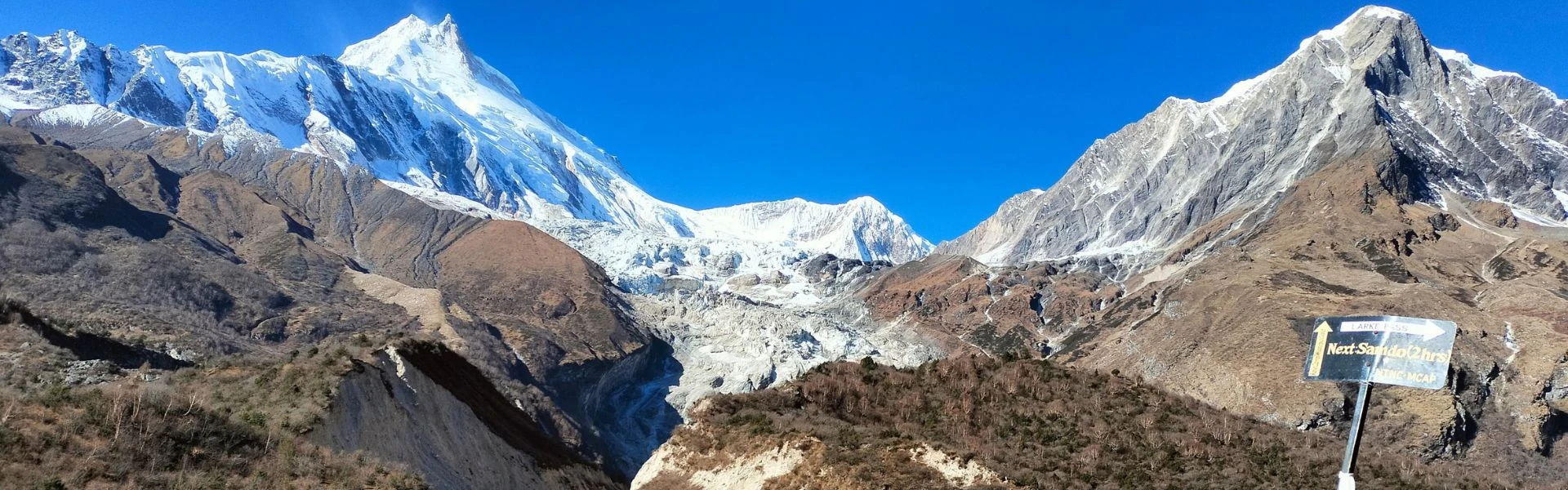
Best Treks for Solo Travelers in 2026
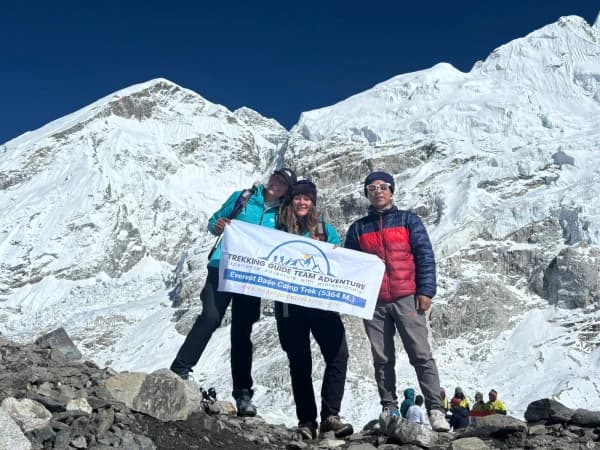
- Everest Base Camp Trek: very popular among the trekkers and is well marked
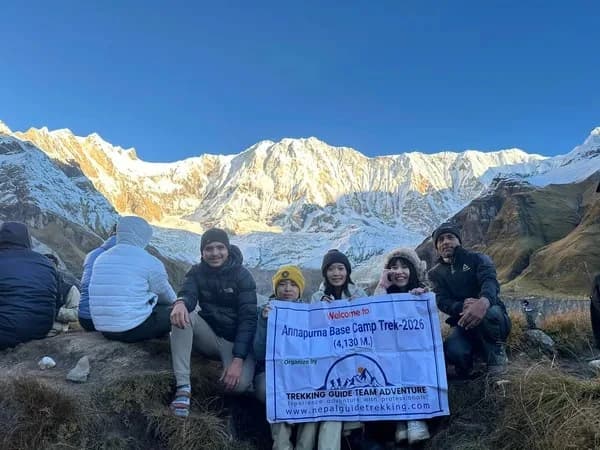
- Annapurna Base Camp Trek:very popular as well as perfect mix of nature and comfort
- Langtang Valley Trek: popular but less crowded and safe for travelers
- Ghorepani Poon Hill Trek:this trek is ideal for beginners
Is Solo Trekking Allowed in Nepal 2026?
Nepal has, in the past few years, put laws into effect requiring licensed guides in certain trekking areas. This is especially true for regions deemed high-risk or otherwise restricted.
Generally, the well-trodden paths of Annapurna, Langtang, and Everest Base Camp offer greater flexibility and safety. However, certain regions may still require a guide or special permits.
Before you start planning your trip, it's a good idea to check the latest trekking rules.
Essential Safety Tips for Solo Trekkers in 2026
Proper Planning and Study of Route Prior
It is vital to have proper research and planning about the trek you are planning to travel beforehand to ensure smooth trekking experience.
Share Your Travel Plans
It's a good idea to run your itinerary by locals at least once. They can offer invaluable insights to help you adjust your trekking schedule.
Start Early
It is recommended to start early each day rather than late in the afternoon due to weather risks.
Acclimatize Slowly
It is always advisable to take rest during your trek to avoid health related issues like altitude sickness and make sure you never rush your trek.
Carry the Right Gear
- Maps & GPS
- Medicine
- Light snacks and water
- Proper trekking clothes, equipment & shoes
- Power bank
- Travel Insurance
It is better to do travel insurance so that it covers high altitude trekking and helicopter evacuation.
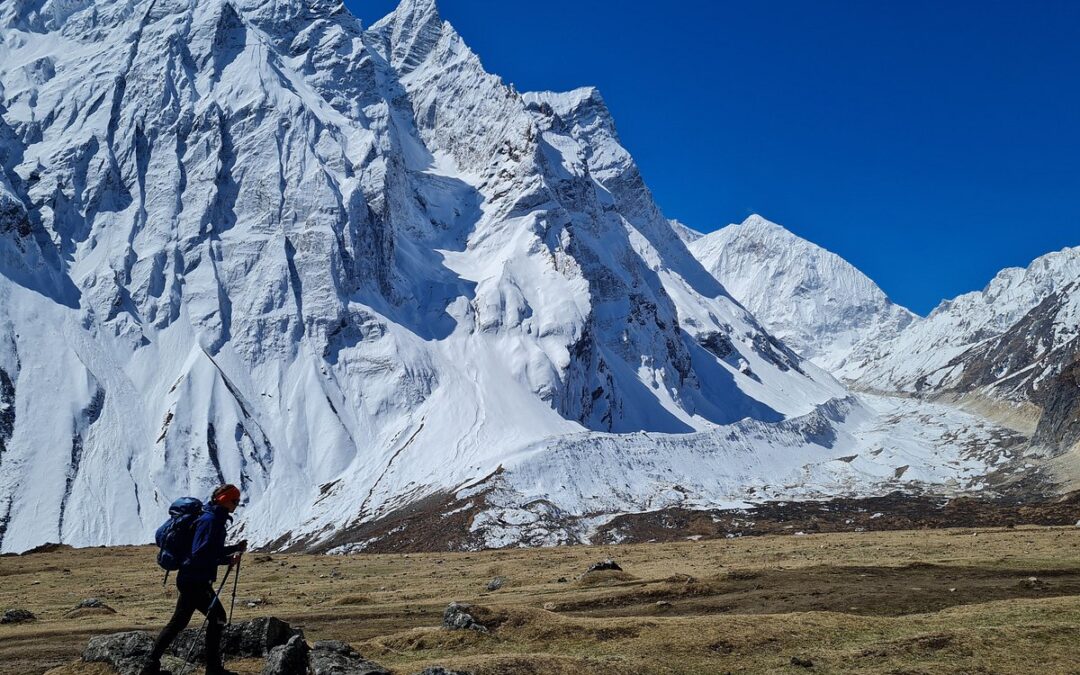
Risk You Should Not Ignore!
Prevention is better than cure
Even though solo trekking is safe, trekking always comes with several challenges however, with proper planning these can be overcome.
- Unpredictable weather changes
- Altitude sickness
- Very limited mobile network in higher altitude
- Navigation mistakes in GPS in remote areas
Solo trekkers must be extra cautious and well prepared beforehand.
Is Solo Trekking Safe for Female Travelers?
Nepal is regarded as one of the safer places for women hiking alone. In trekking areas, harassment is uncommon.
- Teahouses offer secure lodging
- Locals are helpful and courteous
However, it's prudent to:
- Wear modest clothing
- Steer clear of remote trails
- Have faith in your gut
Safety Overview
In Nepal, trekking is seen as reasonably safe because of the following reasons:
Well-marked and Established Trails
There are signboards, regular communities, and well-defined pathways on routes like Everest and Annapurna.
A Welcoming Culture
As the world knows People of Nepal are famous for their welcoming culture, kindness, support helpful gesture .
The Teahouse Trekking System
Lodges dot the landscape, appearing every few hours, which means you're unlikely to be isolated. Teahouse owners and the local populace are generally welcoming.
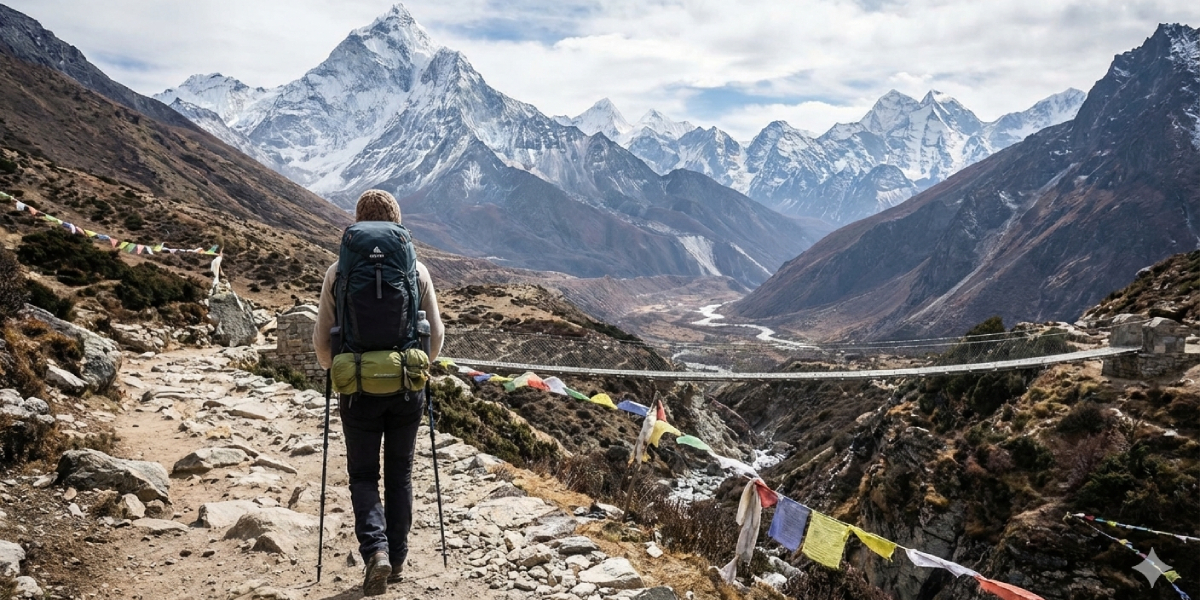
Final Verdict: Should You Trek Solo in Nepal in 2026
Solo trekking in Nepal, when approached correctly, can be a rewarding, secure, and life-changing experience. The freedom it provides is difficult to replicate, assuming you're seasoned and properly prepared. That said, if you're a novice or have reservations, enlisting a guide could enhance both your experience and your safety.
Conclusion
Nepal's mountains are about more than just getting somewhere; they're about finding oneself. In 2026, solo trekking will be easier than before, but safety will always come first. Whether you're going it alone or with a group, prepare for an amazing Himalayan journey by being smart about what you bring and how you plan.